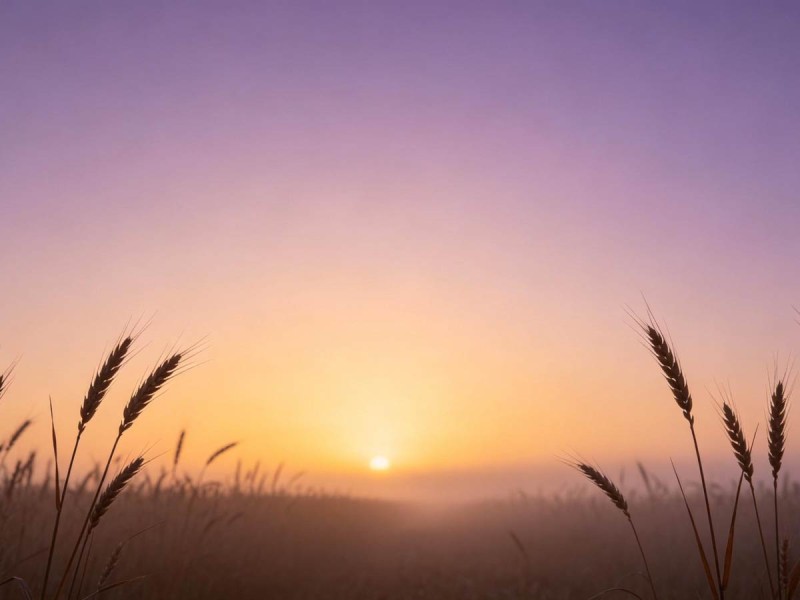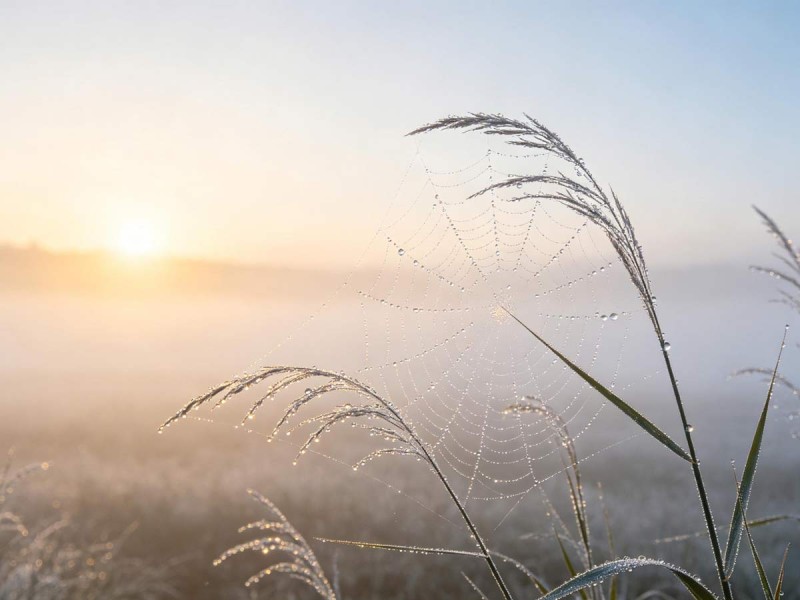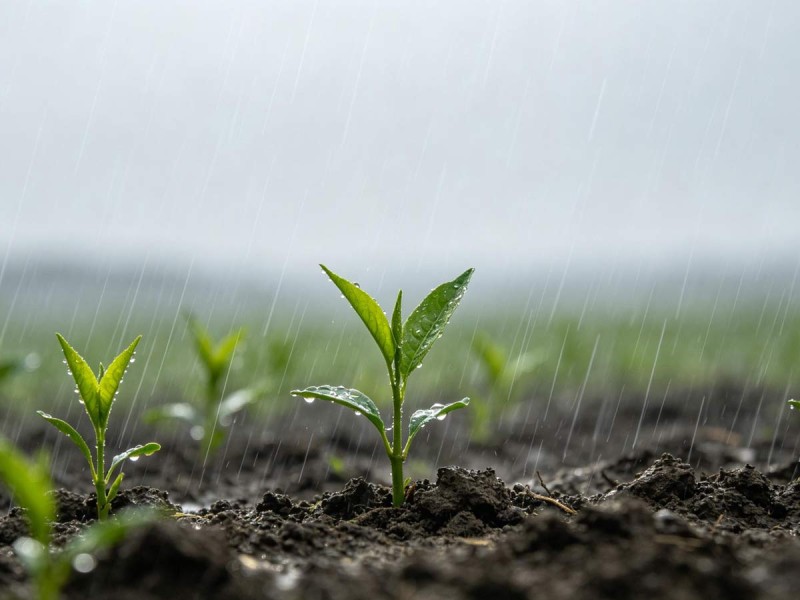
Grain Rain (Gu Yu): The Last Push of Spring—Rain, Growth, and Gentle Momentum
Mid-to-late April in the United States is rarely one mood. In the Mid-Atlantic and much of the Midwest, it’s the season of thunderheads, greening trees, and pollen alerts sharing the same week. In the desert Southwest, “grain rain” may sound like a metaphor from another planet—dry air, wide sun, occasional wind that carries dust more than drizzle. Along the Gulf, warmth can arrive early enough that spring feels abbreviated.
Yet many people still share a psychological texture: the year is accelerating. School years tilt toward finals. Work quarters click forward. Yard work appears on weekends like a second job. The internet starts selling summer while you’re still finding coats in your car “just in case.”
This article introduces Grain Rain (Gu Yu, 谷雨) from the 24 solar terms: a traditional name for a late-spring chapter when rain and warmth help growth surge—often glossed as “rain for the grains.” You can use it as a story for April’s job—not as superstition, not as homework—especially if you want permission for gentle momentum instead of manic “new season, new me” resets.
If your April is allergic, overloaded, or gorgeous—sometimes all three—Grain Rain is simply a vocabulary for continuity: the world keeps growing in the background while you attend to payroll, pickups, and pollen counts.
What Gu Yu means (without turning your week into a farm simulator)
Traditional East Asian calendars were intimate with agriculture. Gu Yu sits in the part of spring when moisture and heat cooperate—when fields and gardens do a lot of their quietly dramatic work: roots extending, leaves unfurling, insects busy in ways you only notice when you slow down.
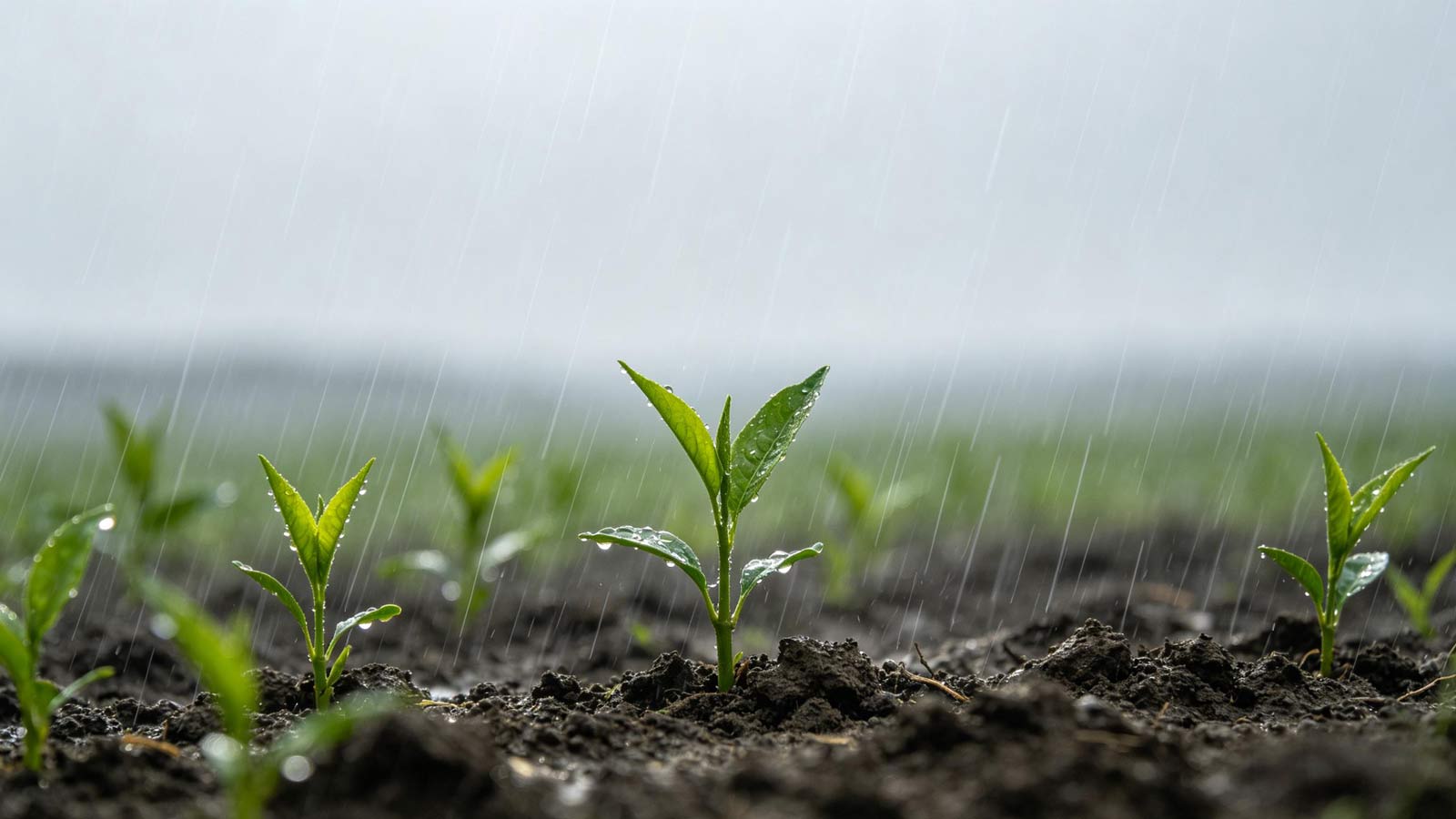
In English, people often translate it as Grain Rain—not because it rains rice from the sky (it doesn’t), but because the image is blunt and physical: water doing the invisible labor of feeding the year’s crops.
For modern U.S. readers who may never plant a crop, the emotionally legible translation is simpler: spring’s last strong growth push before summer’s heat takes center stage.
If you need one line to carry: the last gentle push of spring.
That can mean:
- a project entering a messy productive middle
- a habit that finally feels less like a costume and more like clothing
- a repair in a relationship that isn’t Instagrammable but is real
- your body adapting to longer light even if your sleep is still weird
If you translate Gu Yu into office language—without pretending a metaphor pays rent—it can sound like capacity building: steady inputs (sleep, daylight walks, repetition) producing compounding effects you don’t always notice day to day. That framing can help when April’s pace tells you that if it isn’t loud on social media, it doesn’t count.
Calendar honesty: “late spring” vs. “summer marketing” vs. your sinuses
Here’s where many Americans feel whiplash in April—three storylines at once:
1) The traditional seasonal map
Gu Yu typically lands in mid-to-late April—often around April 19–21 depending on year. In 2026, many calendars list April 20.
2) Astronomical seasons
By strict astronomical labels, much of April is still spring in the Northern Hemisphere—but that fact won’t stop a hardware store from positioning grills and patio sets like it’s August.
3) The body’s private season
Pollen seasons vary by region and species. For some households, April is less “April showers bring May flowers” and more “why is my face a faucet.”
Gu Yu doesn’t argue with your histamines. It offers a narrative handle: growth is happening—sometimes as rain, sometimes as irritation, sometimes as both. Your job is to adapt the ritual, not cosplay someone else’s climate.
If you want to see where this moment sits in the spring arc, these related reads can help:
- Spring Equinox (Chun Fen) for late March balance / equal-light hinge.
- Clear and Bright (Qing Ming) for the early-April clarity / space / remembrance tone.
- Start of Summer (Li Xia) for the early-May heat-and-light pivot.
Regional notes: what April actually feels like in different US pockets
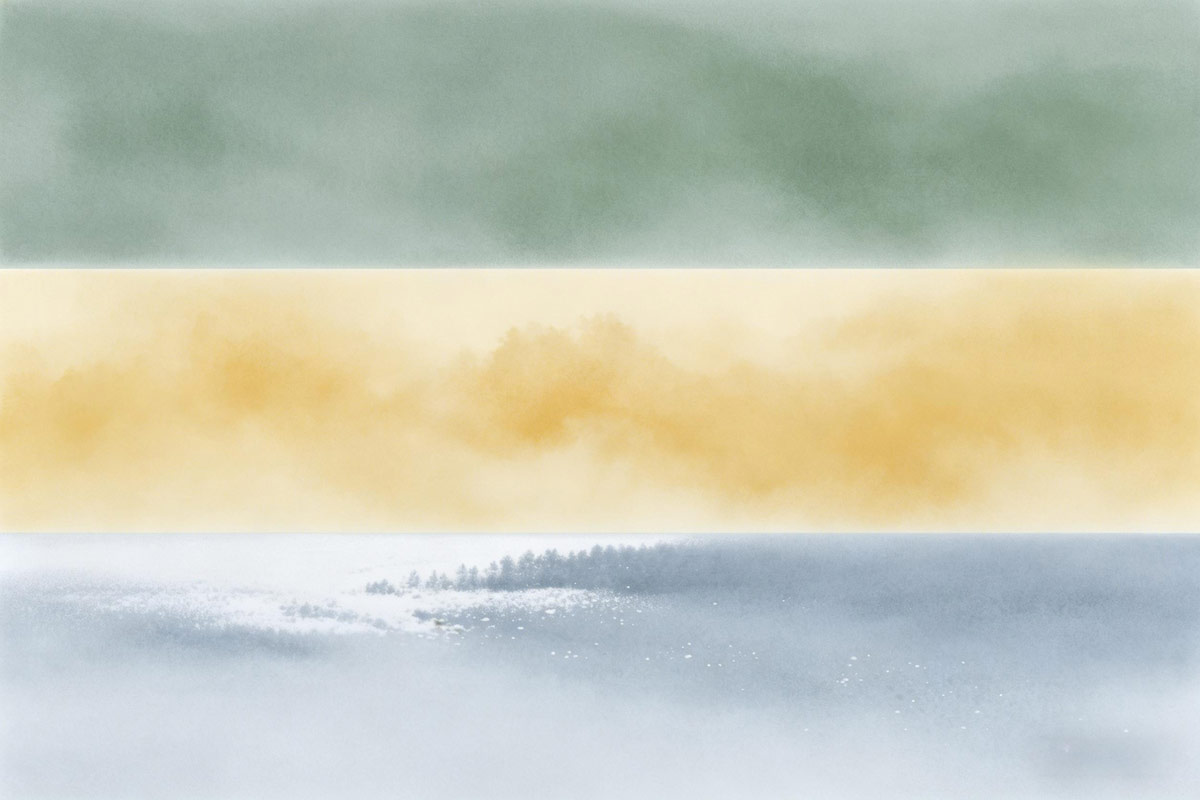
If you live in the Southeast or mid-South, late April can already swing humid and stormy—Gu Yu’s “rain” story can feel literal in the best and worst ways: brilliant green, sudden downpours, tornado season vigilance in some counties. Your practice might emphasize safe shelter, hydration, and not moralizing your body for reacting to pollen.
If you live in California or the interior Southwest, rain can be rare and precious. Gu Yu might translate into water wisdom: shorter showers as civic care, watering plants with intention, respecting drought realities without shame—irrigation ethics as seasonal mindfulness.
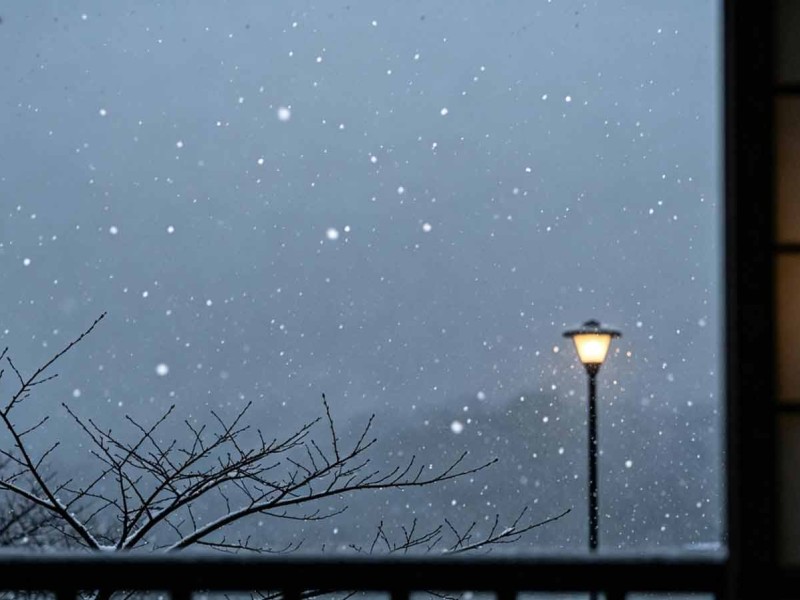
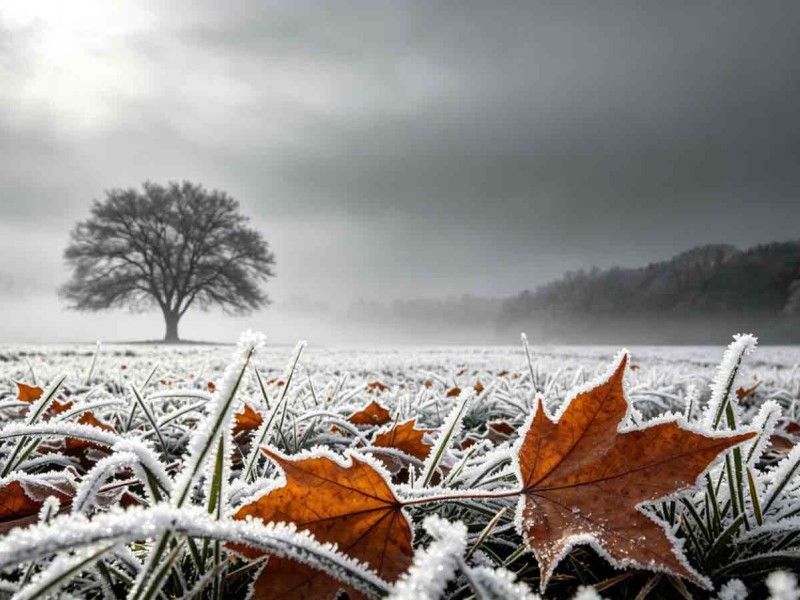
If you live in the northern tier, April can still deliver snow, freeze warnings, and bright cruel sunshine that lies about summer. Gu Yu still works as a directional metaphor: underneath the whiplash, buds are still timing their moves.
If you live in cities, you might experience “rain” as reflected neon, umbrellas on sidewalks, subway steam—that still counts as sensory truth.
Why “gentle momentum” matters in American April
April in the U.S. is easy to narrate as aggression: crush your goals, launch the thing, get the beach body, book the trip, optimize the morning routine. Those can be fine. They can also steal oxygen from people who are simply keeping their lives watered—paying bills, parenting, healing, surviving layoff season, caregiving.
Grain Rain suggests a different physics: momentum that comes from nourishment, not from yelling at yourself.
You can be doing a lot without performing a lot. You can be growing without “shipping” a milestone every Friday. Gu Yu won’t solve structural workplace stress—but it can help you refuse the story that only visible wins count.
Work, money, and the April pressure stack (a US-specific honesty)
For many U.S. households, April is financially and administratively loud—tax timing for many filers, insurance renewals, school events, spring sports, and the psychological Q2 feeling that the year is “really real now.”
Grain Rain doesn’t pretend that away. It offers a usable contrast:
- irrigation (steady inputs) versus harvest fantasy (instant payoff)
- one next step versus the whole roadmap
- permission to grow ugly—roots, drafts, rehearsals—before anything looks “done”
If your nervous system hates April’s pace, you’re not broken; you’re responding to real stacked demands. A seasonal metaphor isn’t therapy—but it can be a softer frame for your after-hours self.
Sensory menu for American April (Look, Smell, Taste, Do)
Look
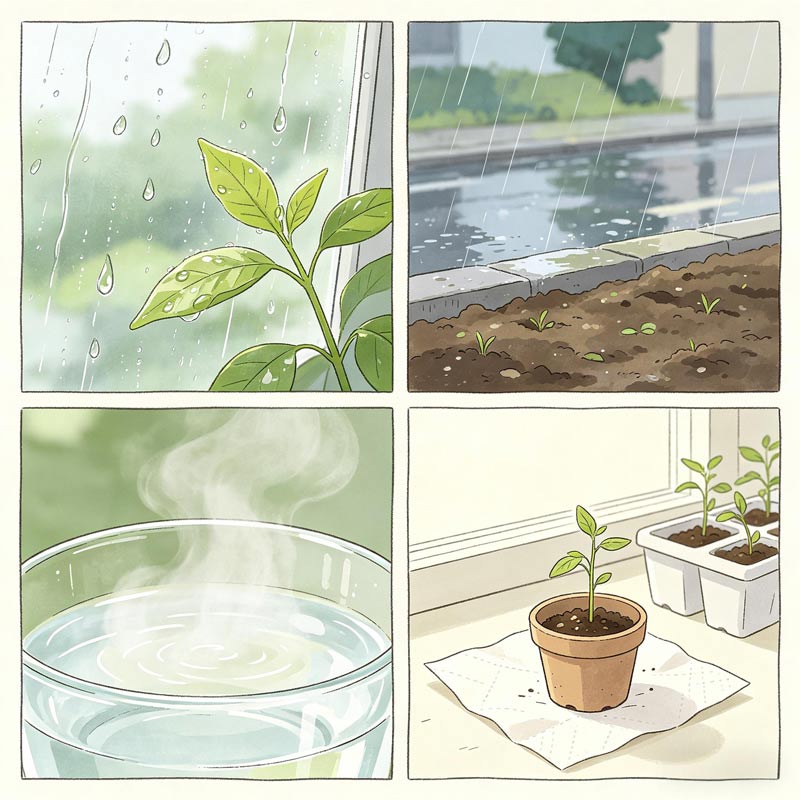
Find one bead of water on a leaf, a railing, or your windshield after a shower. Twenty seconds of attention beats a hundred sunset photos saved for later.
Smell
If outdoor air is safe for you, notice petrichor—that clean-mineral smell after rain. If pollen dominates, brew tea and smell steam honestly. Sensory truth doesn’t require suffering.
Taste
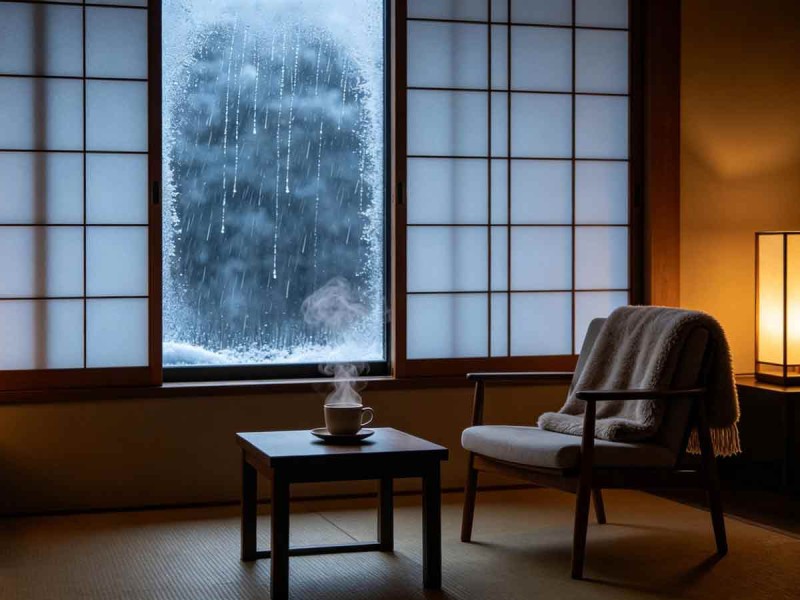
Drink something warm and plain slowly. Not because it “fixes” anything—because April often trains speed. Slow temperature is a harmless rebellion.
Do
Spend ten minutes on micro-cultivation: start seeds indoors, trim a windowsill herb, water something you’ve neglected. Symbolism counts.
Micro-plan: today, weekend, month
Today (5 minutes)
Two lines:
- What is being nourished in my life—evidence optional, dignity required?
- Where am I tempted to skip spring and leap to summer expectations—and what’s one Grain Rain sized step instead?
This weekend (30 minutes)
Walk without headphones once—rain optional—or sit by a window and listen to weather like it’s audio, not inconvenience.
This month (one choice)
Pick one incremental growth lane—creative, relational, physical, organizational—and commit to small repeated watering, not a dramatic harvest deadline.
FAQ
What does Grain Rain mean in English?
It’s commonly translated as Grain Rain—an image of late-spring rains nurturing crops. Translator choices vary; the takeaway is wet, growth-forward late spring.
When is Gu Yu?
Usually mid-to-late April in the Northern Hemisphere—April 20 on many published calendars for 2026.
Is Grain Rain the same as Qing Ming?
No—different solar terms with different calendar positions and cultural associations.
Why “last push of spring”?
Because Gu Yu sits where traditional seasonal language often treats spring’s strength as fully awake—even if your local weather disagrees occasionally.
What if my April has no rain?
Adapt the metaphor: irrigation, indoor sprouts, mindful water use, or simply steady inputs on a project.
Closing
If you take one sentence from Grain Rain (Gu Yu), try this: grow like rain feeds roots—steady, quiet, enough. And if April in your ZIP code feels nothing like a poem, you’re still allowed to borrow the story your way.
Disclaimer
This article is for general education and lifestyle purposes. It does not provide medical advice. If you have allergies, asthma, or other conditions affected by pollen or weather, follow your clinician’s guidance. Herbal teas are cultural and sensory, not treatments.
If seasonal language helps your week feel less frantic, try Rhythm of Nature for a light check-in and prompts that match the current solar term—and #MySolarTermMoment if you want to show what late April rain (or dust, or snow) looks like where you live.