The 24 Solar Terms: A Practical Guide for Modern Life (Northern Hemisphere)

This guide uses a Northern Hemisphere baseline with U.S. examples where helpful. Local weather still varies by region, so treat examples as tendencies rather than one fixed national mood.
You get a plain-English map of the 24 solar terms: what they are, how they relate to Gregorian months, why names can feel early or late, and how to use them as small seasonal anchors rather than belief tests.
This is educational lifestyle content, not medical advice. In the U.S., crisis support is available via 988; elsewhere, use your local crisis or emergency support.
What the 24 Solar Terms are
The 24 solar terms are 24 named points along the solar year in long-running East Asian calendar traditions. They track changes in light, heat, cold, rain, dryness, dew, and frost more closely than generic month labels do.
For modern readers, they work best as 24 chapter titles for the year: not a zodiac, not a diagnosis system, and not a requirement to memorize all the pinyin names.
Historically, the names lean agricultural because the calendar leaned agricultural, but modern readers can translate them into ordinary verbs: hydrate, layer, sleep earlier, notice pollen, pace heat, accept seasonal mismatch.
Why the calendar can feel “wrong”
Season arguments usually happen because people use different rulers: astronomical seasons, meteorological seasons, and embodied seasons shaped by local weather and daily life. Solar terms add a phenology-forward layer that helps translate between them.
When a name feels early or late, keep the poetic label and update the local truth. Latitude, coastlines, elevation, urban heat, and climate shift all change how a term lands in real life.
Northern Hemisphere default, with U.S. examples only as shorthand
This guide assumes Northern Hemisphere daylight patterns. If you are in Canada, the U.K., Europe, Japan, Korea, or another Northern Hemisphere region, keep the seasonal direction and swap in your own housing, weather, commute, and holiday realities.
The point is not to copy U.S. life; it is to recognize your own week faster.
How to read the names
Good English solar-term writing usually uses three layers: the English common name first, pinyin second, and Chinese characters only if useful. Pinyin is a reading aid, not the main headline.
Translations can vary across books and communities. Consistency within one site matters more than winning a vocabulary argument.
The year as four clusters
Below is a reader-friendly year map. Think of it as orientation, not a demand that your local weather behave perfectly.
Spring cluster
Start of Spring (Li Chun), Rain Water (Yu Shui), Awakening of Insects (Jing Zhe), Spring Equinox (Chun Fen), Clear and Bright (Qing Ming), Grain Rain (Gu Yu).
Summer cluster
Start of Summer (Li Xia), Grain Buds (Xiao Man), Grain in Ear (Mang Zhong), Summer Solstice (Xia Zhi), Minor Heat (Xiao Shu), Major Heat (Da Shu).

Autumn cluster
Start of Autumn (Li Qiu), End of Heat (Chu Shu), White Dew (Bai Lu), Autumn Equinox (Qiu Fen), Cold Dew (Han Lu), Frost's Descent (Shuang Jiang).

Winter cluster
Start of Winter (Li Dong), Minor Snow (Xiao Xue), Major Snow (Da Xue), Winter Solstice (Dong Zhi), Minor Cold (Xiao Han), Major Cold (Da Han).
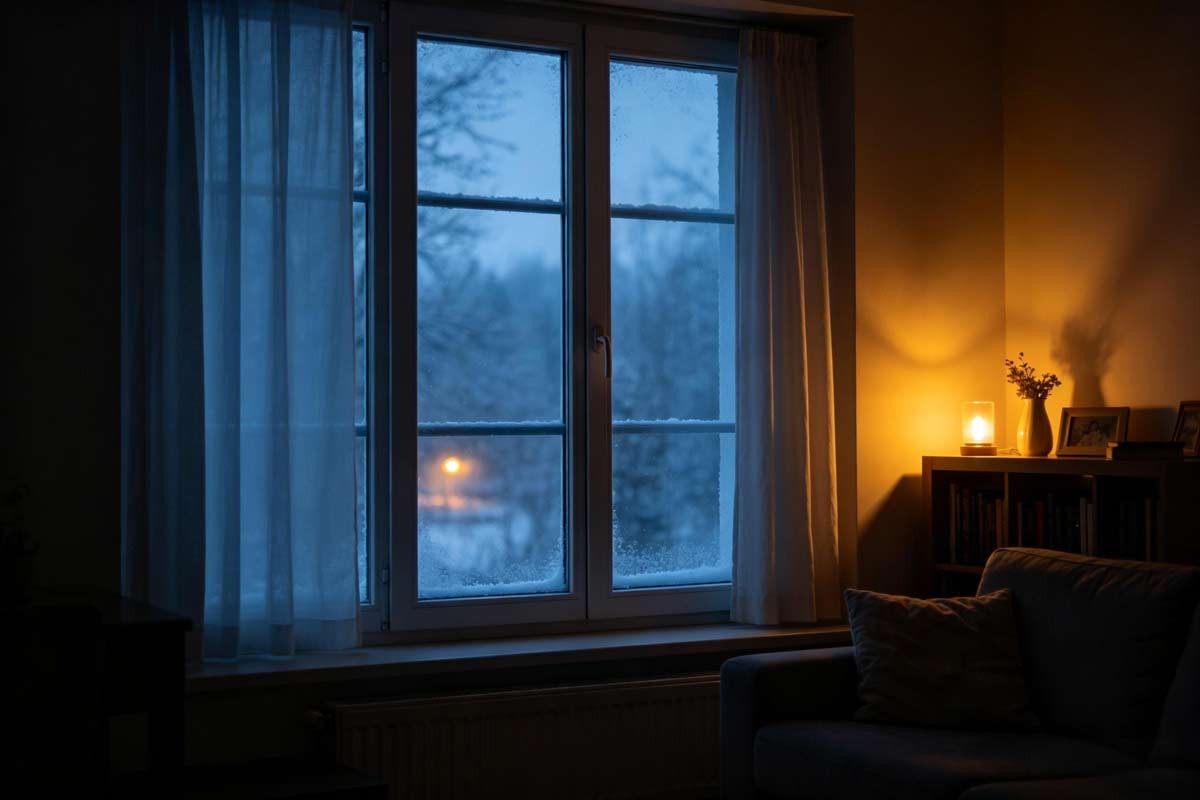
Each child article turns one term into a reader-friendly page with a Gregorian hook, calendar honesty, a sensory menu, a micro-plan, and a short FAQ.
Quick link hub
Use this page as the stable hub. Readers do not need to start in January; they can enter through whichever term feels most like this week.
- Start of Spring (Li Chun)
- Rain Water (Yu Shui)
- Awakening of Insects (Jing Zhe)
- Spring Equinox (Chun Fen)
- Clear and Bright (Qing Ming)
- Grain Rain (Gu Yu)
- Start of Summer (Li Xia)
- Grain Buds (Xiao Man)
- Grain in Ear (Mang Zhong)
- Summer Solstice (Xia Zhi)
- Minor Heat (Xiao Shu)
- Major Heat (Da Shu)
- Start of Autumn (Li Qiu)
- End of Heat (Chu Shu)
- White Dew (Bai Lu)
- Autumn Equinox (Qiu Fen)
- Cold Dew (Han Lu)
- Frost's Descent (Shuang Jiang)
- Start of Winter (Li Dong)
- Minor Snow (Xiao Xue)
- Major Snow (Da Xue)
- Winter Solstice (Dong Zhi)
- Minor Cold (Xiao Han)
- Major Cold (Da Han)
How to use this library without homework
Pick one door in. You do not need chronological purity. Choose the term that matches this week’s real weather and energy.
Borrow one ritual, not the whole system. Use one small practice—more shade, earlier walks, gentler evenings, different layers—rather than trying to “do all 24.”
Let links do the sequencing. If you land on one term first, follow the internal links instead of forcing strict chronology.
Fit it into ordinary life. Solar terms work best when they attach to routines you already have: checking the forecast, planning school lunches, changing bedding, adjusting commute layers, or noticing when evening light affects sleep.

Why this guide works well as a year-round reference
This guide gives you the big picture first, then helps you move into the term that feels most relevant right now. You do not need to read all 24 in order. You can start with the question, weather pattern, or season shift that already feels real in your own life.
Each linked term page goes deeper into one part of the year without repeating the full overview every time. That keeps this page steady and easy to return to, while each term page stays focused and practical.
Related guides
If you want keep exploring, you can also read related guides on broader seasonal living and rea rituals.This page stays focused on the 24 solar terms themselves, so it remains easy to use as a practical year-round reference.
- Seasonal living guide
- Tea rituals guide
FAQ
Disclaimer
This guide is for general education and seasonal lifestyle context. If you have concerns about sleep, mood, heat safety, allergies, or nutrition, consult qualified professionals.
Soft CTA
If this map helped, pick one solar term for the next seven days—not to master it, but to notice it. Use the linked term pages as your practical next step.