Spring Equinox (Chun Fen): Balance, Light, and a Simple Mid-Spring Check-In
Late March in the United States is a strange classroom. The internet serves spring aesthetics—pastel, blossoms, picnics—while many neighborhoods are still negotiating mud, salt stains, and winter coats carried “just in case.” Meanwhile, daylight saving time can make sleep feel like a conspiracy, even as evenings stretch toward forgiveness.
This article introduces Spring Equinox, called Chun Fen in Mandarin—one of the 24 solar terms. That lines up with what astronomy calls the March equinox: plain English spring equinox, sometimes labeled vernal equinox (same clock moment—“vernal” just means spring). We’ll say spring equinox here to keep the language simple. The term marks the hinge where daylight gains on darkness in the Northern Hemisphere’s seasonal story: balance as direction, not as life scoreboard.
You can treat it as usable poetry: light catches up—even when your inbox doesn’t.
If you’re tempted to argue with metaphors—“my life isn’t balanced, my sleep isn’t balanced, my budget isn’t balanced”—you’re allowed to rename the practice. Think of Spring Equinox (Chun Fen) as permission to notice asymmetry without shame: the planet’s math is leaning toward longer days whether or not your task list respects that leaning. Your job is gentler synchronization, not cosmic perfection.
College campuses and workplaces often spike in March—not because humans love suffering, but because daylight changes before schedules change. Teachers don’t magically gain hours; nurses don’t suddenly breathe easier because a calendar meme says spring. Naming that gap is how seasonal language becomes ethical: it aligns with exhaustion instead of mocking it.
Even your screen time changes without asking permission: lighter evenings tempt later scrolling; brighter mornings tempt earlier email. Spring Equinox (Chun Fen) can be a boringly practical reminder to pair light changes with boundary changes—not forever, just for a week—so your eyes and your calendar stop fighting each other like siblings in the back seat.
What Spring Equinox (Chun Fen) means (without pretending March is tidy)
Traditional seasonal language treats Spring Equinox (Chun Fen) as a mid-spring checkpoint—often described as equal day and night in spirit, even though local sunrise math varies.
For modern life, the least fragile translation is practical:
- Balance as *redistribution*: you can’t add hours, but you can stop borrowing from sleep forever.
- Balance as *honesty*: naming overwork without turning it into a personality.
- Balance as *orientation*: the sky is shifting; you’re allowed to shift too.
If you remember one metaphor, keep it simple: you’re not behind the season—you’re inside a transition.
Spring Equinox (Chun Fen) is also a useful label for a very American kind of cognitive whiplash: the week when your phone’s weather app says “spring” but your ankle still recognizes ice in the parking lot. The solar term doesn’t ask you to pick a winner between app and ankle. It suggests dual membership—partly thawed, partly cautious—until the world stops surprising you at the curb.
Calendar honesty: astronomical spring vs. meteorological labels vs. your nervous system
Here are three “springs” that rarely line up neatly in late March:
1) Astronomical spring (equinox) Often around March 20 in the Northern Hemisphere—2026 commonly lists March 20. This is Chun Fen’s astronomical neighborhood.
2) Meteorological spring Some record-keeping systems treat March 1 as spring—handy for climate statistics, confusing for feelings.
3) The spring you feel Could be allergies, joy, grief, panic about Q2, or relief—sometimes in the same afternoon.
Spring Equinox (Chun Fen) won’t adjudicate which spring is “real.” It gives you a container: this is the week the light’s math tilts.
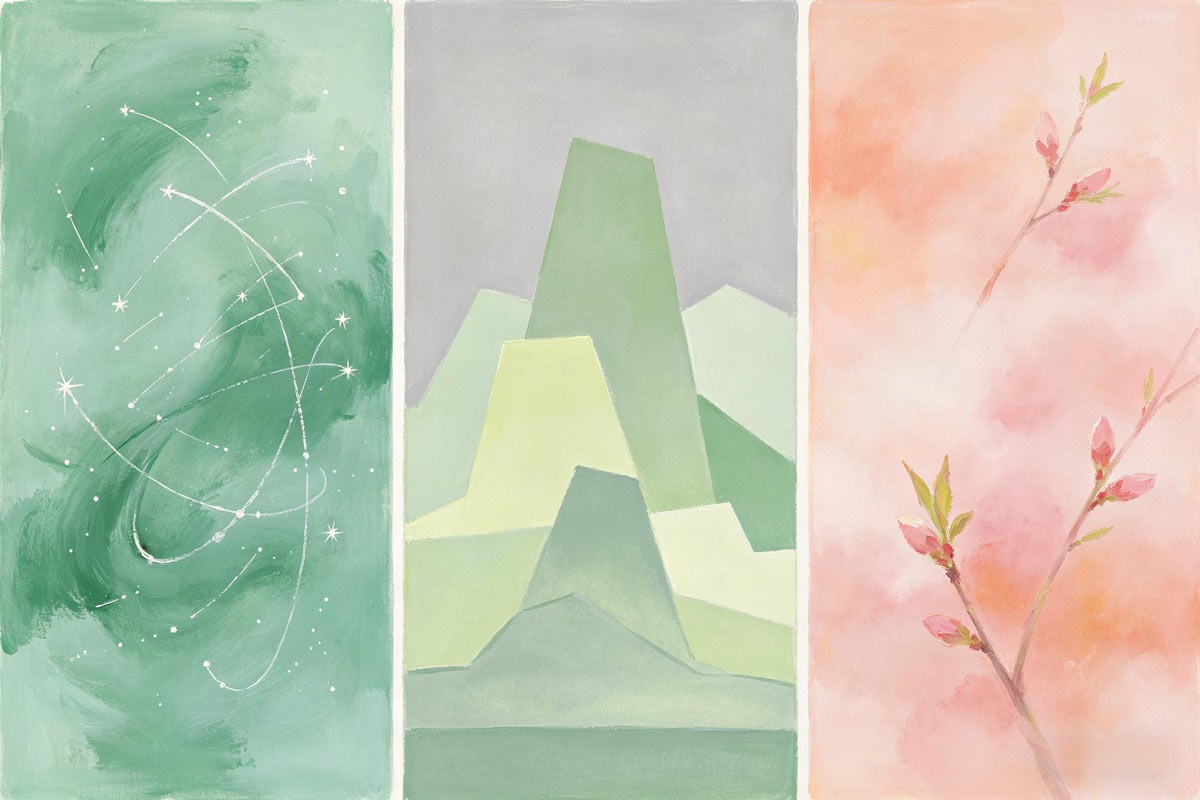
Readers who like to continue in sequence can move from Spring Equinox (Chun Fen) toward Clear and Bright and Grain Rain for the next chapters.
DST, sleep debt, and why “balance” can sound sarcastic in March
For most U.S. readers, daylight saving time begins before or around the equinox window—sleep gets strained exactly when marketers declare renewal.
That tension matters for credibility. Spring Equinox (Chun Fen) isn’t asking you to become a sunrise influencer. It’s offering a softer instruction: adjust with the season, not against your body—swap one brutal habit for one humane habit, and call it alignment.
If your job treats March like a treadmill—budget season, hiring pushes, midterms, performance cycles—you might resent any word like “balance.” Fair. Translation tweak: balance can mean stop adding weight to the barbell, not stand on one foot in silence. Sometimes it means declining one meeting that steals your evening light.
Regional notes: late March is not one mood
If you live in New England, “equinox” can still mean freeze-thaw, maple, and muck—beautiful, heavy, tire-sucking.
If you live in the Southeast, pollen may already be doing publicity for summer.
If you live in the Southwest, “spring” can arrive as dry wind and temperature whiplash—balance looks like shade strategy and hydration, not blossom poetry.
If you live on the Great Plains, March can deliver storms that rearrange your week—balance includes checking alerts, not only journaling.
If you live in coastal cities, March light can feel silver and quick—brightness without warmth. Your equinox practice might be layers, not optimism.
If you live where wildfire seasons haunt memory, March wind can carry anxiety even when the sky looks innocent. Clarity includes naming dread without forcing gratitude.
Why a “mid-spring check-in” matters for American weekdays
March is when many institutions switch gears—end-of-quarter, school schedules, hiring cycles, tax paperwork, playoffs, spring cleaning shame. The cultural soundtrack says accelerate.
Chun Fen suggests a counter-rhythm: small recalibration. Not a pause you can’t afford—a five-minute truth about what kind of spring your life can actually hold.
There’s also an ecological honesty worth naming: phenology—when plants wake—has shifted in many regions over recent decades; “first bloom” arrives earlier for some species. That doesn’t make traditional poetry obsolete; it makes local observation more important than generic stock photos. Your ethical attention can stay humble: notice what’s actually budding on your block.
If you like a one-line “work translation” of Chun Fen, try: re-balance the week you can see, not the year you can’t. That might mean swapping one doomscroll block for standing outside—two minutes—while your coffee cools. It might mean admitting you’ve been borrowing sleep from Tuesday to pay Thursday, and choosing a softer loan.
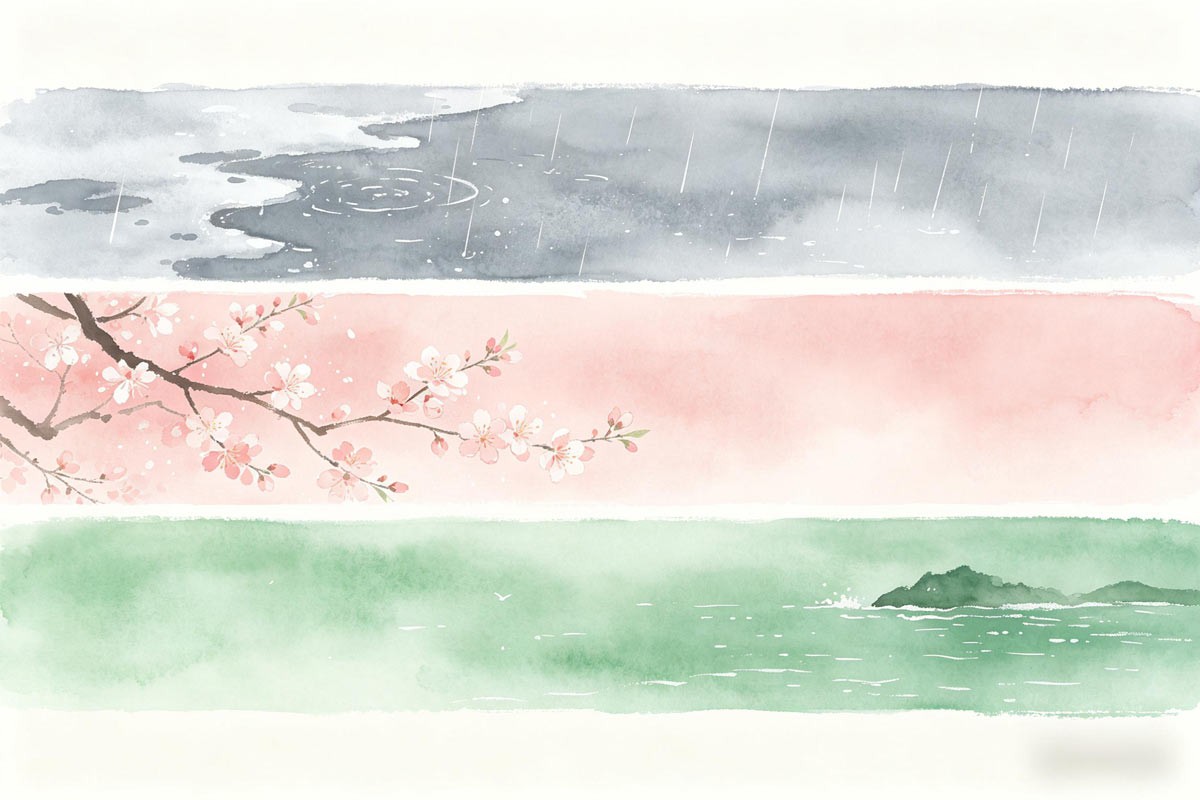
How Spring Equinox connects forward to Clear and Bright and Grain Rain
You can also read Chun Fen → Qing Ming → Grain Rain as one seasonal arc:
- Spring Equinox(Chun Fen): balance / hinge—light catches up; you recalibrate.
- Clear and Bright (Qing Ming): clarity—air, remembrance, breathing room.
- Grain Rain(Gu Yu): wet momentum—growth push before summer heat rhetoric takes over.
If you want to keep exploring, the next stop after this “balance point” is Clear and Bright, followed by Grain Rain. Read them in order and the emotional logic becomes clearer: recalibrate → clear out → grow forward.
If you write, teach, or host conversations in your community, this sequence can also give you a gentle rhythm: Chun Fen for “where we are now,” Qing Ming for “clarity and care,” and Grain Rain for “how growth gets practical.”
Sensory menu for American late March (Look, Smell, Taste, Do)
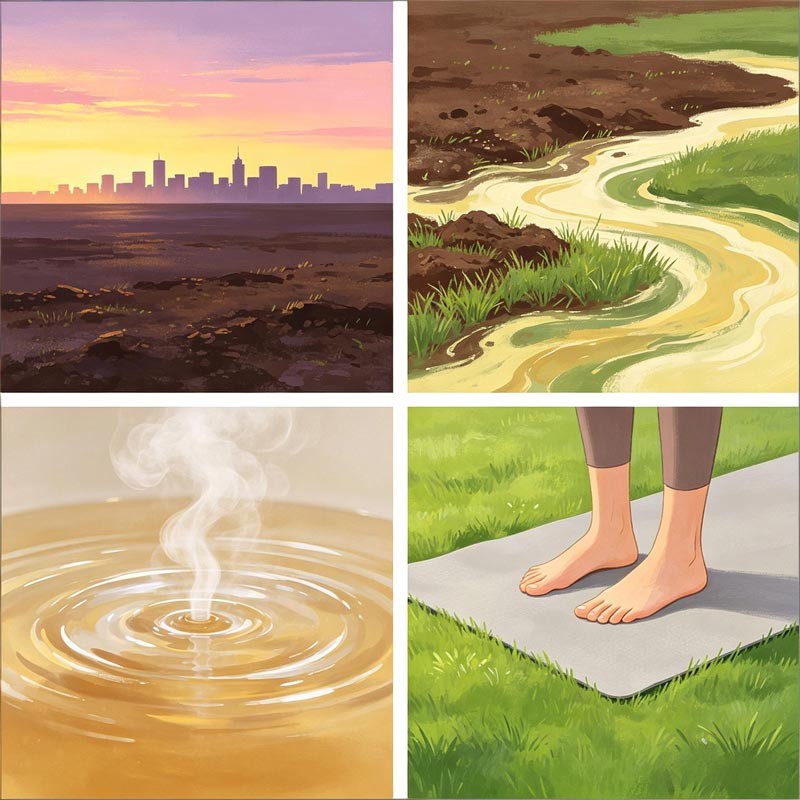
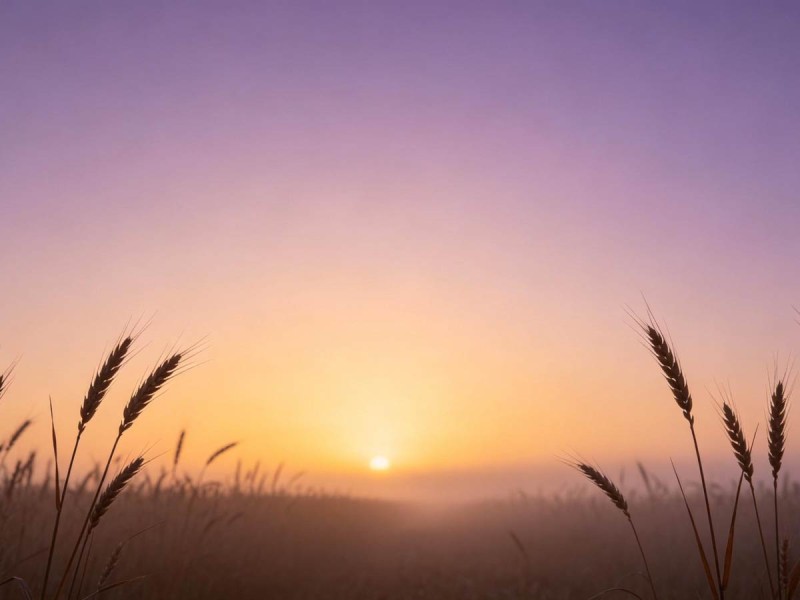
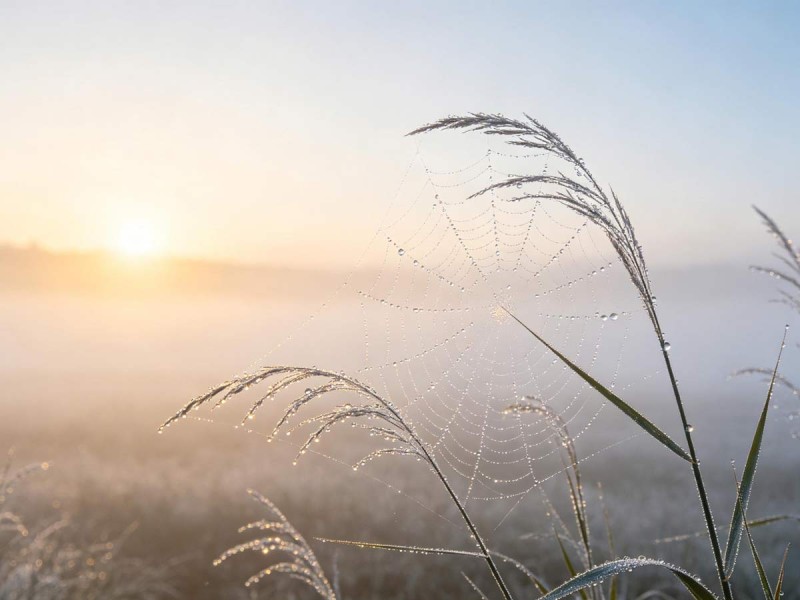
Look Pick one horizon moment—sunrise or sunset—and watch color shift without narrating it.
Smell Thawing soil, cold grass, steam—whatever is honest in your ZIP code.
Taste Warm liquid, slow sip—interrupt autopilot.
Do Twenty seconds with equal footing—literal balance as a joke that still works.
Micro-plan: today, weekend, month
Today (5 minutes) Two lines: where life feels lopsided / one tiny correction.
This weekend (30 minutes) Same route twice—different speeds—listen to what your body votes for.
This month (one choice) One schedule tweak that respects changing light.
If you share a household with kids, elders, pets, or roommates, “balance” might mean coordination, not solitude—trade twenty minutes so someone else gets daylight, or swap chores so Saturday isn’t only errands. Equinox-scale fairness can be hilariously small and still moral.
FAQ
Is Chun Fen the same as the spring equinox? Spring equinox and vernal equinox name the same March astronomical event; Chun Fen is the traditional solar-term framing on that part of the calendar.
When in 2026? Many calendars list March 20.
Are day and night exactly equal? Close in global framing; local tables vary.
Why mention DST? Because March sleep disruption is common in the U.S.
What if it’s still winter here? Focus on light duration and gentle routines.
Does Chun Fen overlap Christian Holy Week some years? Sometimes calendars rhyme; traditions aren’t interchangeable—respect distinct meanings.
Should I cite local sunrise tables? Optional—tables build trust for readers who want precision; metaphor helps readers who hate spreadsheets.
p>Will readers find Qing Ming and Grain Rain confusing if they landed here from social search? Often yes—seasonal terms arrive out of order in real life. A simple way to stay oriented is to keep one short timeline in mind: Spring Equinox → Clear and Bright → Grain Rain. You don’t have to memorize the full system at once; just follow the next step.
Closing
If you take one sentence from Spring Equinox (Chun Fen), take this: light catches up—and you can catch up with yourself one small adjustment at a time.
Read next: Clear and Bright (Qing Ming) → Grain Rain (Gu Yu) .