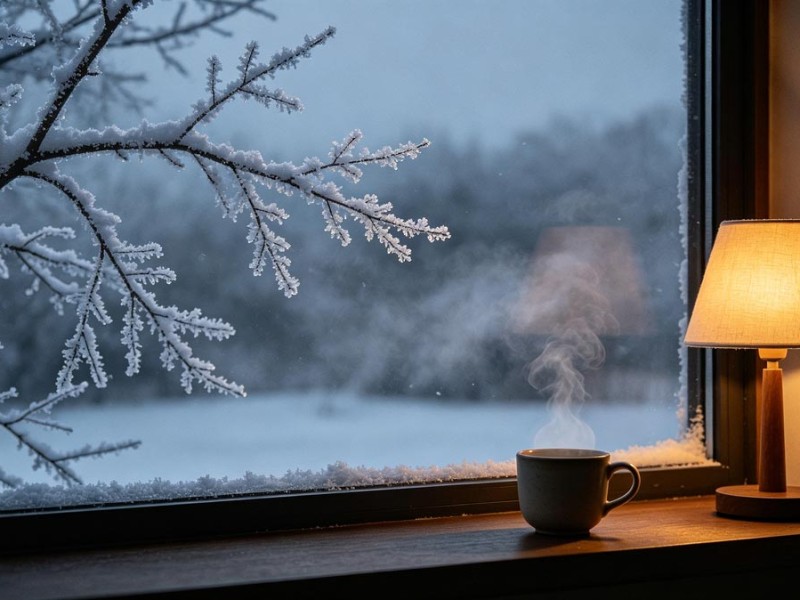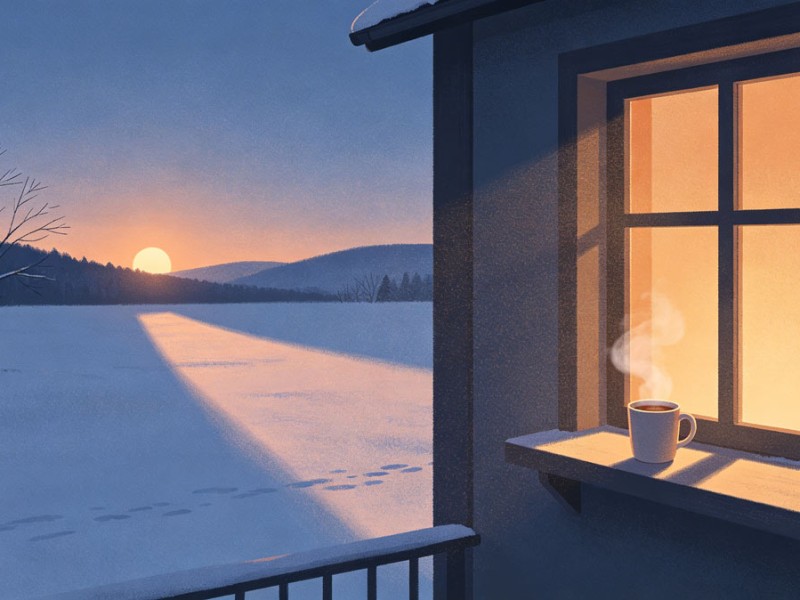
This article uses a Northern Hemisphere baseline with U.S. examples where helpful. Local weather still varies by region, so treat examples as tendencies rather than one fixed national mood.
A steady intro to the Winter Solstice, called Dong Zhi (冬至) in Mandarin—the solar term aligned with the shortest day (and longest night) in the Northern Hemisphere winter solstice window. Plus language for soft light as strategy: small inward returns without turning grief into a brand campaign.
Not medical advice, not astrology guarantees, not a script for any one religious practice. Ice, unsafe travel, holiday alcohol, and family harm are real—follow NWS, local guidance, 988 for crisis in the U.S., and qualified support where you need it.
Late December can mean frozen silence on a northern prairie, wind-tunnel avenues in a downtown, mud and rain in the Northwest, tornado-warm weirdness in the South, or steam rising from a subway grate while you’re still cold inside your coat. Dong Zhi names the sun’s lowest story in classical pacing—not identical emotions for every ZIP code.
Winter Solstice (Dong Zhi) marks the chapter where traditional calendars align with extreme winter—shortest day, longest night, and—classically—a turning: yin at its depth, yang beginning its tiny return in some tellings.
Calendar honesty
Why “Winter Solstice” can feel scientific while your week feels like chaos
There are three “Decembers” in many lives:
- Astronomical fact (NH): shortest daylight near the December solstice—a real planetary event.
- Solar-term storytelling: Dong Zhi names that threshold in East Asian seasonal literacy—quiet turning language.
- American holiday December: Christmas commerce, travel guilt, year-end work, family complexity—noise adjacent to sky truth, not identical.
Winter Solstice (Dong Zhi) doesn’t solve those collisions. It offers one softer map: the day is short—and your limits can be short, too.
If you dislike mystic language, keep the blunt version: December is allowed to feel dim—literally and emotionally.
How Winter Solstice (Dong Zhi) sits between Major Snow (Da Xue) and Minor Cold (Xiao Han)
Rough neighbor map for seasonal reading:
- Major Snow (Da Xue): major snow—heavy winter atmosphere in classical pacing.
- Winter Solstice (Dong Zhi): winter solstice—shortest day, turning point mood.
- Minor Cold (Xiao Han): minor cold—colder step after the solstice in many sequences.
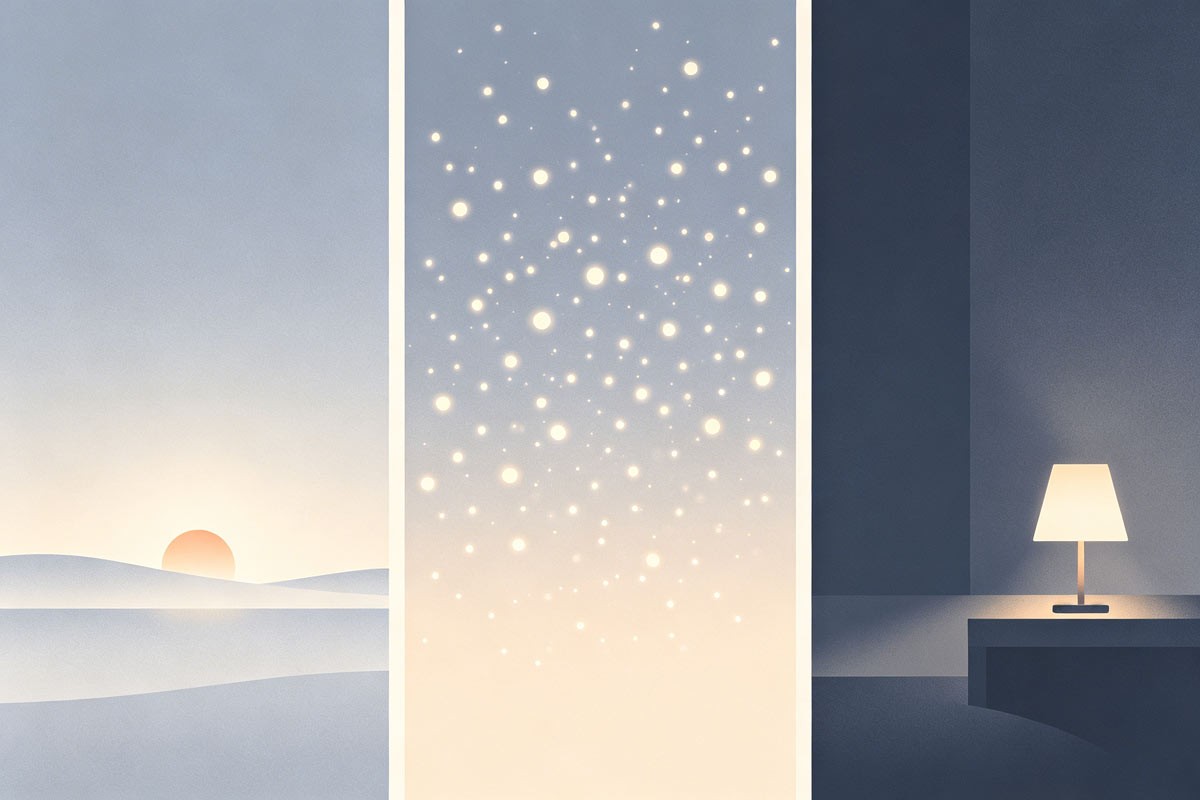
Late December in the United States is two truths at once: the planet does real math—short days, long nights, low sun—and the culture does real pressure—spend, perform, travel, explain your happiness on schedule.
Winter Solstice, called Winter Solstice (Dong Zhi) in Mandarin, belongs to the 24 solar terms. Classical language often frames Winter Solstice (Dong Zhi) as extreme yin—winter’s depth—sometimes paired with a quiet pivot: after longest night, light begins its return in tiny increments, like a slow dimmer coming up. You can translate that as hope—or simply as physics: after the solstice, daylight lengthens again in the Northern Hemisphere winter season, even when January still feels brutal.
If you live where December is grey rain and headlights, you’re not missing the point. Dong Zhi still works as seasonal literacy—minimum bandwidth, maximum honesty about cold and fatigue—without requiring snow cosplay or mountain pilgrimage.
What Winter Solstice (Dong Zhi) means (without making the sky your personality)
Traditional texts describe Winter Solstice (Dong Zhi) as a threshold—midwinter in seasonal story, shortest daylight as lived experience for many temperate latitudes. Modern translation:
- Solar fact (NH): winter solstice—shortest day, longest night—clock and calendar can vary slightly by time zone and leap-second life, but the story holds.
- Psychological tone: many people feel permission to go smaller—less output, less explanation—not universal, but common.
- Holiday collision: Christmas Eve stress, Hanukkah travel math, New Year’s dread—adjacent noise, different meaning.
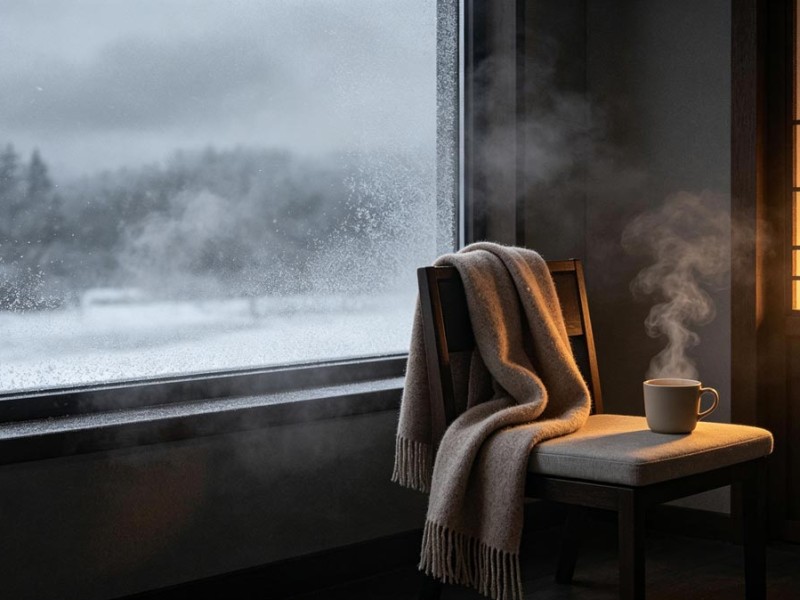
Soft light in the title isn’t toxic positivity—it’s lamp strategy: when sunlight is scarce, choose warmth you can control—light, food, sleep, one safe conversation.
Calendar honesty: solstice truth, gift panic, and the cruelty of “finish strong”
Three tracks overlap:
- Astronomical solstice: daylight hits its minimum for your hemisphere’s winter season.
- Dong Zhi story: deep winter checkpoint—classical yin/yang language in many texts (education, not a demand you adopt a worldview).
- Personal December: grief, sobriety fatigue, money fear, family traps—not fixed by twinkle lights.
Dong Zhi doesn’t reconcile those tracks. It offers one frame: the day is short—and you can shorten commitments to match.
For 2026, the December solstice lands around December 21 depending on ephemeris and UTC conversions; many Dong Zhi tables sit near December 22 in regional publishing. Ephemeris precision matters for widgets; psychological precision matters for humans—translate Dong Zhi as late December shortest-day chapter, then adapt rituals to your forecast, mobility, budget, and holiday ethics.
Retirement of Daylight Saving already happened in the U.S. fall—December afternoons still vanish fast. Solstice isn’t DST—it’s Earth tilt—keep the map clean so readers don’t moralize clock confusion as moral failure.
Major Snow (Da Xue) vs Winter Solstice (Dong Zhi) vs Minor Cold (Xiao Han): heavy snow story vs turning math vs colder steps
Readers ask how Major Snow differs from solstice and Minor Cold.
- Da Xue: major snow—deeper winter atmosphere in classical pacing—accumulation mood.
- Dong Zhi: winter solstice—shortest day, turning language.
- Xiao Han: minor cold—colder intensification after solstice in many sequences.
Weather can ignore poetry: blizzards arrive in January; ice storms can precede solstice. Use solar terms as chapter titles, not forecast contracts.
If someone asks whether climate change makes solstice “meaningless,” answer with both humility and usefulness: dates still tick; winter still hurts bodies and budgets; Dong Zhi can still help people name darkness stress—without pretending December is automatically cosy.
Regional notes: late December is both beautiful and unsafe
If you live in northern tier states, Dong Zhi can feel visually honest—blue snow light, squeaking cold, short sun scraping the horizon.
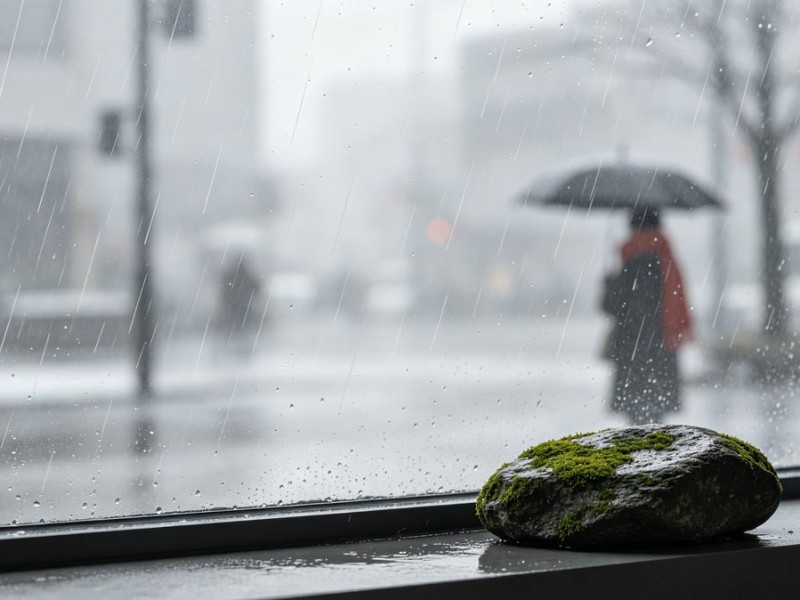
If you live in the Pacific Northwest, December may be relentless grey—translate Dong Zhi into rain-cold, seasonal depression risk for those prone, moss, lamps at three—still short-day seriousness without snow romance.
If you live in desert heat that cools fast at night, layers become survival grammar—solstice is still light math, even when snow is absent.
If you live in humid warmth, short days can still drop mood—dark after work arrives while temperature stays confusing.
Urban lighting hides stars but not fatigue. Rural roads freeze with less plow coverage. Dong Zhi writing should nod to: warming centers, tenant heat, fair pay for delivery workers in holiday surge.
Holiday adjacency—without merging meanings
Christmas, Hanukkah, Kwanzaa, Yule-adjacent gatherings, and New Year’s marketing can crowd one nervous system. This article won’t script your holiday ethics—but it keeps seasonal framing honest: Dong Zhi is not Christmas, and quiet is not rudeness.
If family visits spike anxiety, Winter Solstice practice can validate small exits: shorter stays, hotel boundaries, sober rides, one sentence practiced in advance—calm isn’t ingratitude.
Grief doesn’t pause for ornaments: first holidays without someone, empty chairs, forced cheer. Dong Zhi language should never score sadness—it can permit small protections: leave early, skip one party, text one safe friend.
Immigrant families often carry two calendars—American school breaks and home-country winter memory—weather mismatch included. Dong Zhi can honor dual time without fusion confusion.
Work, school, travel—and the myth of December “closure”
Year-end sprints punish December focus—performance reviews, invoice panic, Q4 quotas. Solstice doesn’t owe your boss a miracle.
Students meet finals and early sunset. Nurses meet holiday ER surges. Truckers meet ice. Cosy articles that ignore unsafe highways fail reality.
Chronic illness communities track cold fronts—pain, Raynaud’s, respiratory limits. Dong Zhi avoids triumph framing. Pacing, heat, clinical plans aren’t laziness.
Remote workers can feel never off during family week—notifications and caregiving. Winter Solstice can name bandwidth limits without optimizing your nervous system into a spreadsheet.
Quiet rituals: what “soft light” looks like on a December weekday
Soft isn’t aesthetic—it’s operational:
- one lamp earlier—prove you can make evening
- five minutes of horizon—even clouds count as sky
- swap one scroll for one sip of water—cheap biology
- split holiday labor—cooking, shopping, kid bedtime—so one nervous system doesn’t eat the whole month
Night recovery matters: warm socks, phone outside bedroom, consistent wake time—scaffolding when morning feels like midnight.
If you live alone, December marketing can sound like loneliness with percussion. Dong Zhi permits truth: togetherness ads are often class-flavored. Pair metaphor with one chosen connection—chosen, not forced.
Creative workers meet deadline cliffs before January. Winter Solstice doesn’t add productivity sermons—it can authenticate that December urgency is often manufactured. Protect sleep; treat seasonal language as support for humans, not substitutes for fair pay.
Solstice gatherings—religious, secular, community—can be lifelines or overload. Dong Zhi refuses one insult: that your capacity must match someone else’s ritual photo.
Astronomy without theater: you don’t need a telescope to “do” solstice—shadow length at noon, sunset time on your weather app, one window facing south (Northern Hemisphere) can be enough contact with sky math. Dong Zhi can respect science and feeling in the same breath—light returns as data and as metaphor, without forcing you to pick only one.
Energy poverty meets holidays cruelly: high bills, bad insulation, landlord delays, space heaters that aren’t safe if misused. Winter Solstice writing should never shame cold apartments—pair soft light language with policy realism: tenant resources, utility assistance, neighbor mutual aid where community exists.
Kids and elders carry different solstices—school concerts, early darkness walking home, isolation for immobile relatives. Dong Zhi can validate micro-safety: reflective strips, ride shares, shorter visits if stairs are iced.
If faith traditions already give you solstice-adjacent practices, Dong Zhi doesn’t compete—it can sit beside them as seasonal literacy, not replacement theology.
How Winter Solstice (Dong Zhi) connects Da Xue to Xiao Han
If your library sequences midwinter honestly:
- Major Snow (Da Xue): major snow—deep winter calm chapter.
- Winter Solstice (Dong Zhi): shortest day—soft light, turning mood.
- Minor Cold (Xiao Han): minor cold—colder step after solstice in classical pacing.
Readers who like to continue in sequence can also explore nearby terms across this deep-winter arc.
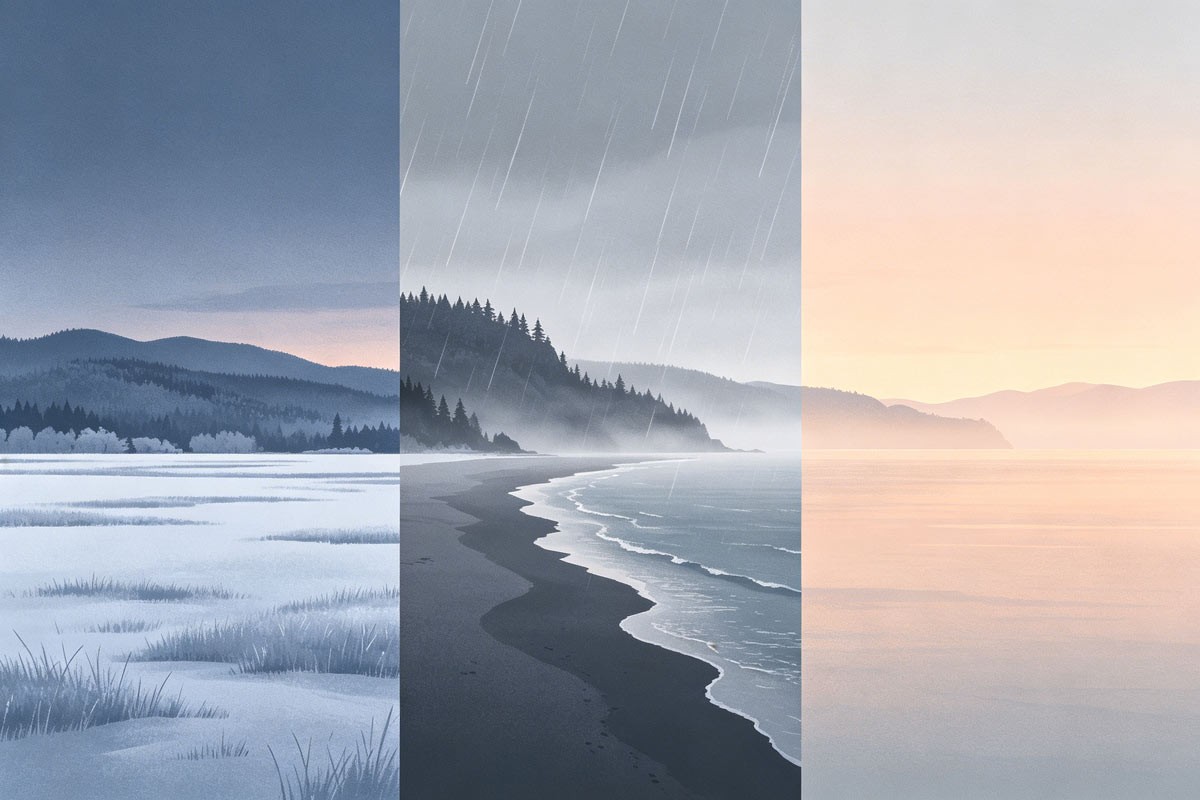
Sensory menu
Watch one sunset with no podcast—notice angle, speed, color—five minutes counts.
Cold air, pine, wet wool—December honesty beats perfume marketing.
Warm soup—slow chew; follow clinician guidance for diet conditions.
One lamp earlier than you think—prove you can choose light when daylight won’t cooperate.
Micro-plan: today, weekend, month
- Today (5 minutes)
Two lines:
- Line 1: Where is dark + money + family stress stacking?
- Line 2: What one humane limit helps tonight—sleep, screen, social?
- This weekend (30 minutes)
Travel sanity: charger, snacks, water, meds list—especially if storms meet holiday highways.
- This month (one intentional choice)
Pick one boundary gift to yourself—no perfect holiday, no perfect inbox, one protected rest hour.
Closing
If you remember one sentence from Winter Solstice (Dong Zhi), remember the day is short—and you can choose small light on purpose.
One more small practice for the week: when noise rises, lower one input—speaker, news tab, family thread—and let soft light be kind.
If this season’s language helps you pace a real week, Join the Rhythm in Seasonal Life—small check-ins sized for Northern Hemisphere life. When you want something tangible, Explore this season’s picks in the Seasonal Shop (we only link what is actually live). Education and lifestyle only—not medical advice.
Read next: Major Snow (Da Xue) → Minor Cold (Xiao Han) → the 24 solar terms guide.