Awakening of Insects (Jing Zhe): Tiny Signals, Small Starts—and March Without the Pep Rally
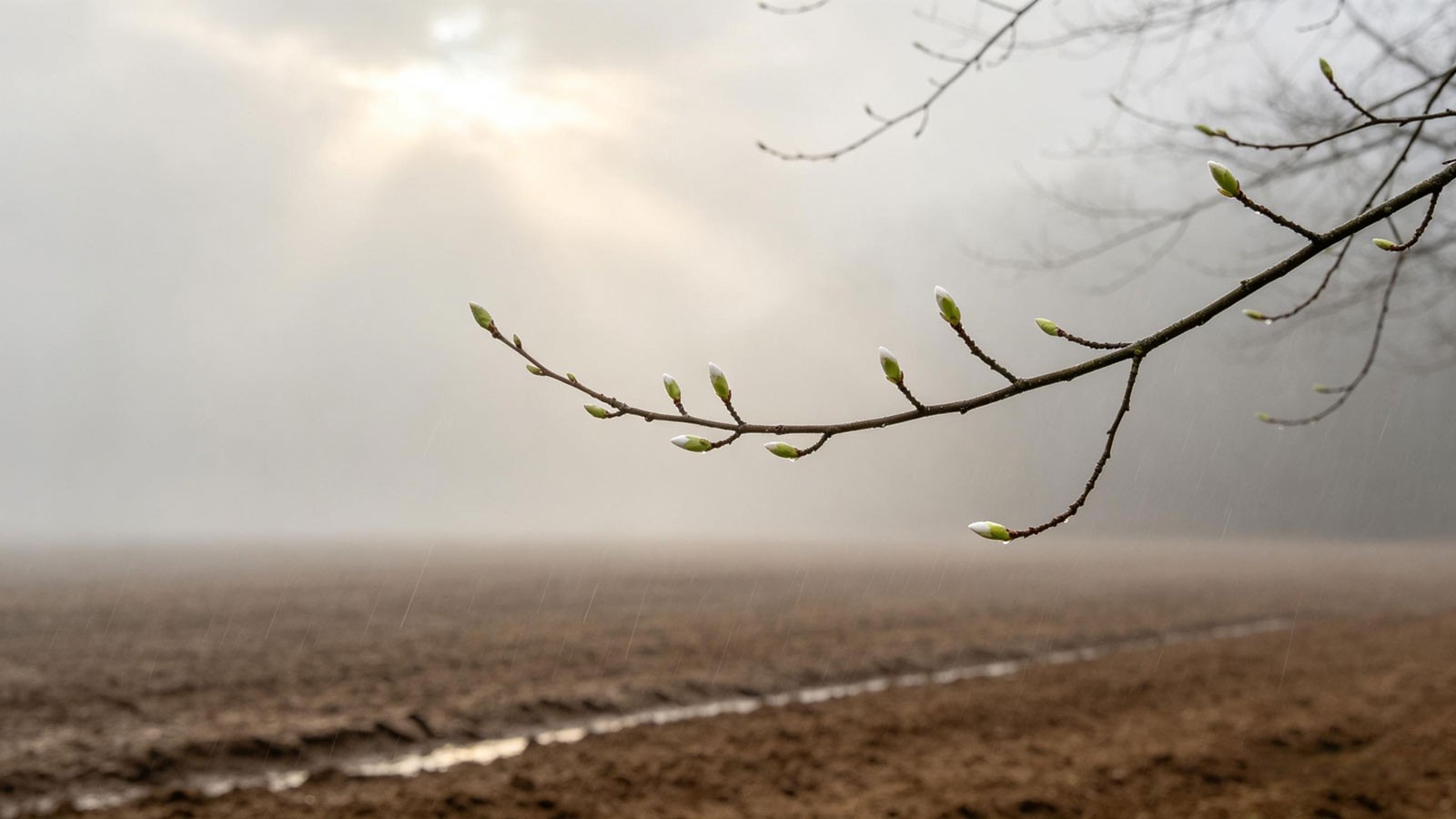
Early March in the United States has a costume problem. The calendar wears pastel optimism—florists, fitness apps, travel ads—while many neighborhoods still wear salt stains, mud, and puffy coats carried “just in case.” Somewhere between those two wardrobes sits Awakening of Insects, called Awakening of Insects (Jing Zhe) in Mandarin: one of the 24 solar terms, traditionally described as the moment hidden life remembers how to move.
You do not need to believe in metaphysics to use the metaphor. Jing Zhe can simply mean: pay attention to small returns—the world’s version of stretching before it tries to sprint.
What Awakening of Insects (Jing Zhe) means (without turning your apartment into a nature documentary)
Traditional seasonal language ties Jing Zhe to thunder waking the soil, insects rumbling upward, yang energy lifting. Modern translation for busy humans:
- Stirring beats blooming: first signals, not finished outcomes.
- Noise can be gentle: birds you didn’t notice last week, a drip you finally fix, a laugh you forgot you could still make.
- Rest is still allowed: awakening is not 24/7 hustle dressed in green.
If your life is more spreadsheet than orchard, borrow a calmer gloss: unhide one layer of reality—maybe the layer you’ve been scrolling past.
You can also use Jing Zhe to reframe “procrastination” with less shame. Many people don’t fail from laziness; they fail from over-scoped projects. A season that celebrates insect-scale motion is a season that says: start so small it’s almost laughable—and then let the laugh be part of the energy. That’s not anti-ambition. It’s biomechanics: a system that has been cold a long time doesn’t turn into a marathon because a calendar flips.
Calendar honesty: “spring” as hope, hype, and heating bills
March in the U.S. is rarely one story. Meteorological labels, school schedules, religious calendars, and corporate “Q2 energy” all talk at once. Jing Zhe doesn’t adjudicate which story is legitimate. It offers a permission structure: you can admit parallel seasons—winter in the bones, spring in the light, panic in the inbox—without demanding a unified mood.
For 2026, many published tables place Jing Zhe around March 5. If your county’s sunrise looks different from a meme, that’s normal: solar terms describe directional tendencies for the Northern Hemisphere, not identical weather receipts for every ZIP code.
Daylight saving time adds another split screen for many U.S. households: clocks jump while bodies lag. Jing Zhe pairs surprisingly well with that friction—not because DST is “natural,” but because March often asks you to resynchronize anyway. Translation: adjust one humane habit (sleep wind-down, morning light cue, caffeine boundary) rather than pretending you’ll become a new person because the sunset moved.
There’s also an honest mismatch between cultural spring—pastels, picnics, romance—and financial spring: tax deadlines approaching for millions of filers, tuition bills, unexpected car repairs waking up after winter salt. Awakening can include paperwork waking up. That’s not off-brand; it’s adult seasonal realism.
Folklore, thunder, and what we do with stories now
People love repeating the first thunder detail with Jing Zhe. It can be gorgeous on the page: a sound that rearranges attention, a reminder that the sky participates. It can also frustrate readers in places where March is still silent and snow-locked. The honest move is to treat thunder as optional poetry—sound where you have it, stillness where you don’t.
Likewise, “insects” can be culturally loaded. Some readers adore bug season; others flinch at the word. Jing Zhe is not entomology homework. It’s a permission to notice aliveness without requiring you to admire every species. Your version might be mud splatter, earthworms after rain, crocus crime against winter—whatever is true on your block.
If you write from a brand voice, avoid turning “insects” into either horror or cuteness overload. The middle path is phenology: the observable timing of natural events—buds, migrations, thaw—without claiming your backyard is a textbook. Readers trust writers who admit limits: seasonal language can guide attention without pretending to predict every ecosystem response in a warming climate.
Regional notes: early March is not a single temperature
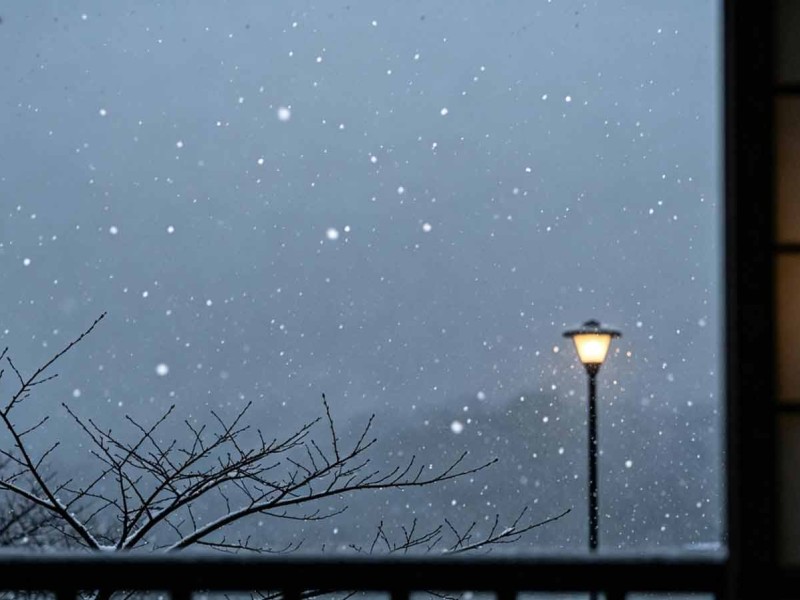
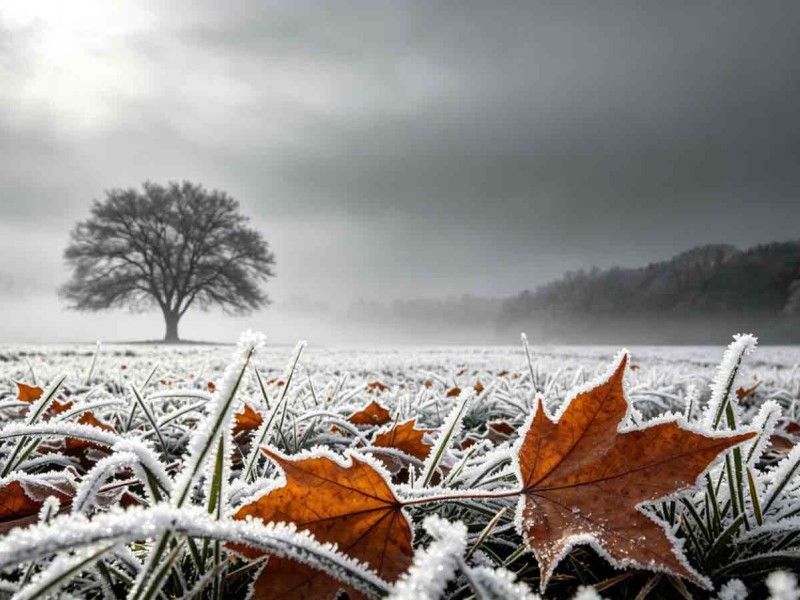
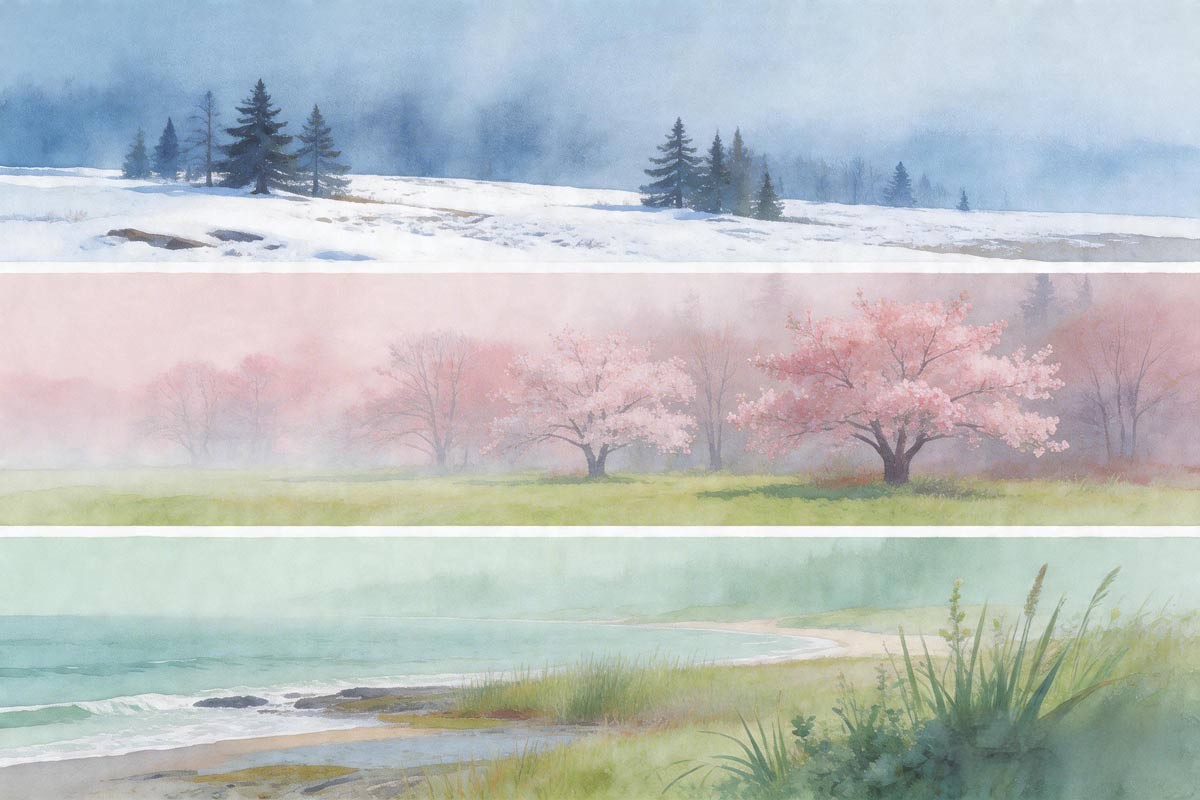
If you live in New England or the Upper Midwest, early March may still deliver freeze-thaw crankiness—ice that lies, sun that tempts, wind that strips your face. Your “awakening” might look like patience, not petals.
If you live in the Southeast, pollen may already be a taste in the back of your throat. Jing Zhe can translate into air-quality awareness, window timing, kindness to your sinuses—still seasonal intelligence, still not a cure.
If you live in Tornado Alley or other severe-weather corridors, March can escalate fast. Awakening isn’t only soft—sometimes it’s alert season. A grounded seasonal frame includes checking forecasts and teaching kids the plan—adult literacy, not anxiety cosplay.
If you live in wildfire-prone regions, wind can carry hypervigilance even when the sky looks innocent. Naming that is part of honesty: your nervous system tracks more than blossoms.
If you live in coastal cities, light can arrive silver and quick—brightness without warmth. Your practice might be layers and realistic jackets, not forced pep.
If you live in desert climates, spring can arrive as wind and whiplash—dry drama rather than dewy romance. Your “awakening” might be hydration, shade strategy, and respect for temperature lies.
If you live where river towns swell with meltwater, March can sound like groaning ice and mud singing under tires—less Instagram, more honest physics. If you live in suburban sprawl, “nature” might mean the strip of grass between sidewalk and street where the first weed proves soil still votes for life. None of these are lesser awakenings; they’re local truth.
Households, caregiving, and the politics of “starting again”
March can be loud for families: daylight changes bedtime, sports schedules multiply, elders need rides, pets shed, and everyone is told to reset at the same time schools go feral. Jing Zhe can mean coordination, not solitude: trade twenty minutes so another adult gets a walk in light, or rewrite the week as three small wins instead of one heroic weekend that requires a babysitter Congress.
If you live alone, “awakening” might be gentler permission: reply to one person you’ve ghosted out of exhaustion, open one window if outdoor air cooperates, restart one habit without narrating it as identity repair. Seasonal metaphors aren’t therapy, but they can reduce the shame soundtrack that makes March feel like a performance review conducted by influencers.
Work, money, and the March pressure stack
March often stacks performance narratives: close the quarter, restart the gym, organize the basement, fix the relationship, launch the idea. Jing Zhe suggests a softer physics: micro-motion beats manifesto.
Try translating “awakening” into office language:
- one thread closed instead of inbox zero
- one brave sentence instead of “authenticity overhaul”
- one calendar boundary instead of life redesign
That isn’t cynicism—it’s human-scale ecology. Nature doesn’t bloom everywhere at once; neither do you.
For readers who carry grief, early March can feel indecent—everything waking while someone you love stays gone. Jing Zhe doesn’t demand cheer. It can be read as honest emergence: tears count as thaw, silence counts as listening, one small chore counts as staying in the world. If the season triggers loss, pair seasonal language with real support—friends, clergy, clinicians—and don’t let a blog post pretend to replace them.
How Awakening of Insects (Jing Zhe) connects to Rain Water and Spring Equinox
Read these three terms as connected chapters, not trivia cards:
- Rain Water: moist edges—soft transitions, thaw thinking.
- Awakening of Insects (Jing Zhe): signals amplify—small beings and small decisions notice daylight.
- Spring Equinox: balance math—equal-ish light and dark as cultural metaphor.
That order helps readers follow the timeline without memorizing the whole calendar at once.
Readers who like to continue in sequence can follow Rain Water, Spring Equinox, and Clear and Bright as the next seasonal chapters.
Sensory menu for American early March (Look, Smell, Taste, Do)
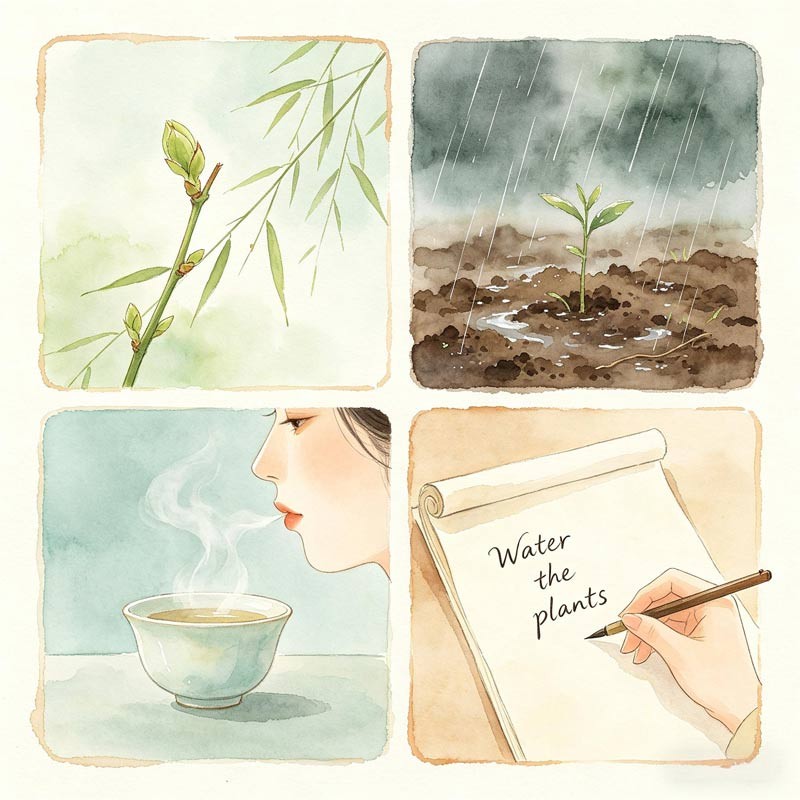
Look Study one patch of contrast: shadow on snow, moss on bark, neon on wet pavement—anything that proves light is negotiating again.
Smell Cold soil, ozone before rain, detergent from a fresh load—honest smells beat forced “spring floral” fantasies.
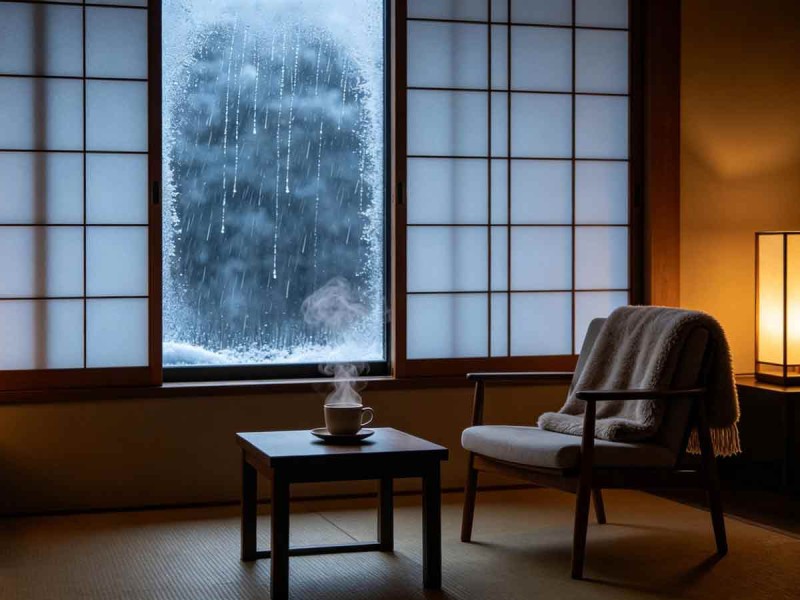
Taste Warm liquid, slow swallow—temperature as a nervous-system signal, not a detox performance.
Do Ten minutes: send the email, book the appointment, tie the shoelaces you’ve been avoiding—finish one small act of adulthood.
Micro-plan: today, weekend, month
Today (5 minutes) Two lines: what stayed hidden in February / one movement you refuse to postpone.
This weekend (30 minutes) Outdoor loop with audio off—let March sound like itself.
This month (one choice) One honest restart sized to reality—budget line, boundary, closet shelf—without demanding a cinematic montage.
FAQ
Does Awakening of Insects (Jing Zhe) literally predict bug hatch timing? No. It’s seasonal language rooted in historical observation. Your local extension office handles real insect timing; this article handles meaning and pacing.
Is first thunder required to “count” Jing Zhe? No. Thunder is optional poetry—some regions hear it often, some rarely in March.
How is Awakening of Insects (Jing Zhe) different from Spring Equinox? Awakening of Insects (Jing Zhe) emphasizes movement beginning; Spring Equinox emphasizes light/dark balance later in March. Think engine turning over vs speedometer steadying.
What if bug imagery bothers me or my kid? Use buds, birds, soil, thaw instead. Same term, different doorway.
What if it’s still deep winter outside? Focus on light duration changes and one indoor action that still counts as emergence (air, order, a sent message).
Can I pair this with faith or cultural holidays that land near March? Calendars sometimes overlap; traditions differ—label clearly and avoid collapsing distinct meanings in one breath.
Closing
If you take one line from Awakening of Insects (Jing Zhe), take this: tiny things start moving—and you can move tiny on purpose.
Read next: Spring Equinox (Chun Fen) → Clear and Bright (Qing Ming) → 24 solar terms overview. If you want the previous step in sequence, go to Rain Water (Yu Shui).