Grain Buds (Xiao Man): “Almost Full, Not Yet”—Anti-Rush Energy for Busy Weeks
Late May across the Northern Hemisphere is rarely one weather story. In the United States, for example, air conditioning season has already begun in some towns; in others, you’re still stealing minutes of sun through a jacket. Along the Gulf Coast, humidity can make “spring” feel like a memory by breakfast. In parts of the Mountain West, you might still see leftover snow pockets while afternoon sun turns fierce at altitude. Elsewhere at similar latitudes, heat, exams, and “almost summer” marketing stack differently—same calendar strip, different local texture. Culturally, though, the mood in many English-language feeds still converges on one message: hurry.
If your phone calendar looks like a stack of overlapping blocks—end-of-school events, deadlines, weddings, vacation planning, the social pressure to be “summer-ready”—you’re not failing the season. You’re human in a culture that rewards done more than growing.
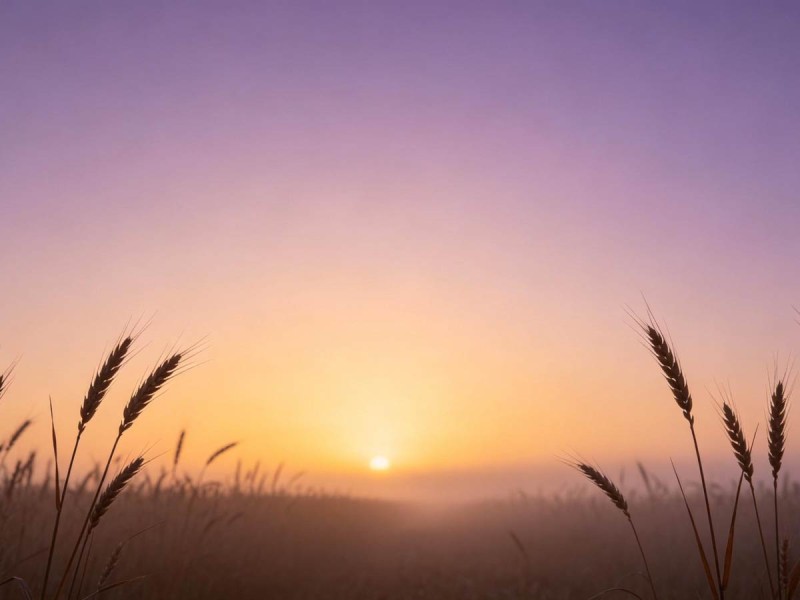
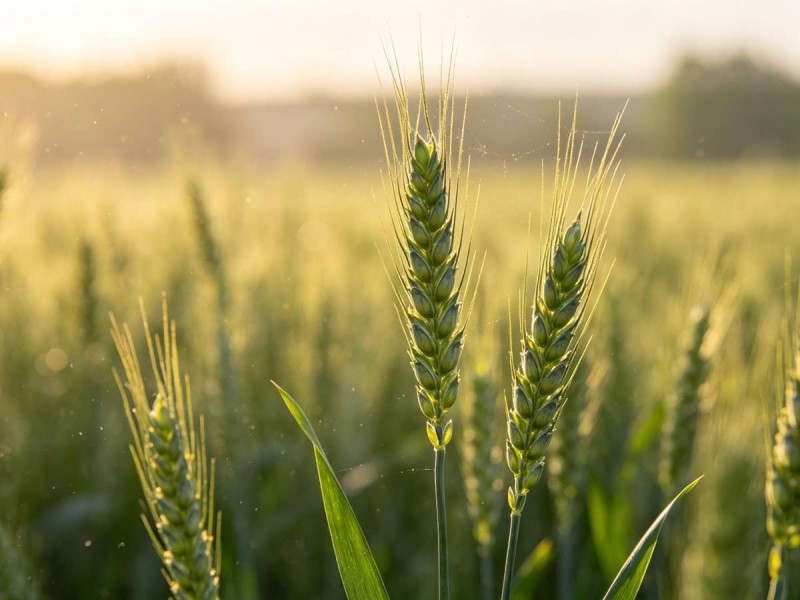
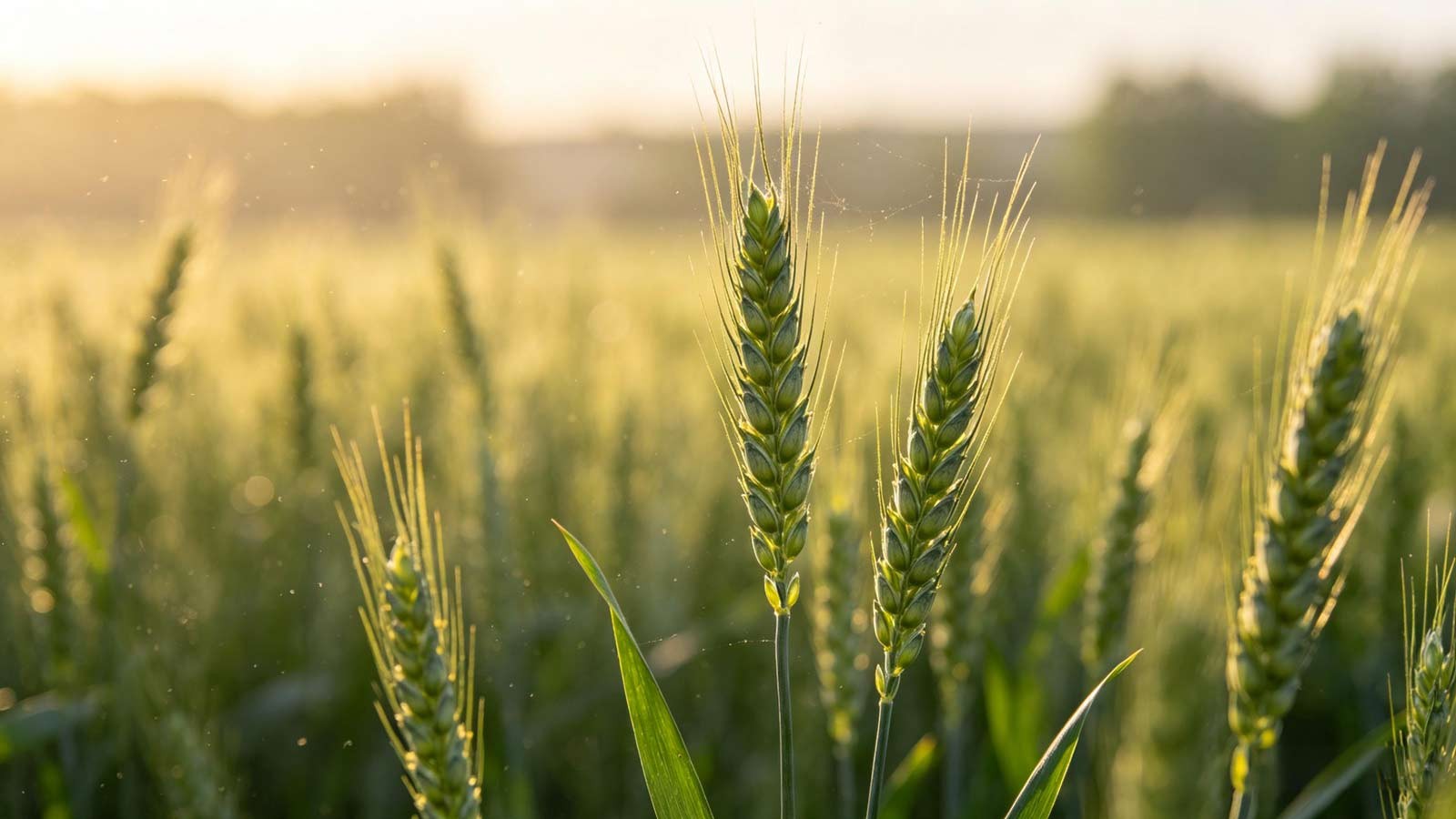
Grain Buds (Xiao Man)—often glossed from Mandarin—names a quieter part of nature’s pacing: small fullness—the moment when kernels plump and buds tighten, not yet hard, not yet ripe, not yet ready for the harvest story people love to tell on Instagram.
If you want one honest seasonal frame and three kinds of micro-rituals, this guide keeps them sensory, doable, and sized for late-spring realities—from humid southern afternoons to chilly northern evenings—whether your May maps to Texas or Toronto, Seville or Seoul.
If you’re new to the 24 solar terms, think of them as a set of mini-season labels based on patterns people observed in plants, weather, and daylight—not a replacement for meteorology, not astrology, and not a moral code. They’re useful because they give ordinary weeks a vocabulary that isn’t borrowed from hustle culture.
What Grain Buds (Xiao Man) means (without the homework)
Traditional calendars tracked farming life with astonishing precision because livelihood depended on noticing details: when fields drank water, when kernels changed texture, when heat turned from flirtation to consequence. Grain Buds (Xiao Man) sits where winter grains are filling and summer crops are stepping forward. The picture is humble and specific: progress you can see, completion you can’t rush.
If you need a phrase to carry in your head, try: almost full, not yet.
That’s emotionally legible even if you’ve never planted a row of wheat. It describes:
- the job search with promising interviews but no offer yet
- the fitness path that feels better before it looks dramatic
- the creative project with a messy middle that refuses to tidy up for your timeline
- the relationship repair that’s softer, not “fixed”
- the chronic illness management week where stability is invisible to outsiders but real to you
You can appreciate Grain Buds without adopting any particular tradition. The term is doing descriptive work: naming the middle as a legitimate place to stand.
Calendar honesty: why late May can feel “too early” and “too late” at the same time
Here’s the useful tension—especially where Gregorian seasons, school calendars, and marketing seasons collide in late May (U.S. and Canadian examples are familiar, but the pattern is wider). For many Northern Hemisphere readers, this is exactly when seasonal messaging and lived weather diverge.
The grocery store may shout summer. Your workload may shout finals. Your body may still be carrying spring tiredness. None of those are morally wrong; they’re just mismatched tempos.
Grain Buds (Xiao Man) doesn’t resolve that mismatch with mysticism. It offers a pattern-language: nature commonly spends time swelling between starting and finishing. If your nervous system is wired to interpret “not done” as threat, a seasonal phrase can be surprisingly practical—it gives you permission to name mid-process as real progress.
You might also anchor this article next to Start of Summer (Li Xia), which tends to arrive in early May. A simple mapping many readers find intuitive:
- Start of Summer (Li Xia): the season’s door feels open—heat, urgency, outward energy returns.
- Grain Buds (Xiao Man): you notice what’s filling in—the story is still forming.
Readers who like sequence often follow Grain Rain (Gu Yu) → Start of Summer (Li Xia) → Grain Buds (Xiao Man) → Grain in Ear (Mang Zhong)—then a 24 solar terms overview when they want the full map in one place.
Why “almost” can feel uncomfortable in hustle-heavy work culture
Many workplace norms reward visibility: shipped features, closed tickets, quarterly wins. That can train a reflex where anything mid-process feels like exposure—like being caught not ready.
Grain Buds doesn’t ask you to romanticize procrastination. It asks for a cleaner distinction:
- stalling (avoiding action because of fear) vs.
- swelling (doing the invisible work that doesn’t photograph well)
You can decide which one you’re in without outsourcing that judgment to a stranger on the internet. If you’re stalling, name it and get support. If you’re swelling, protect a little bandwidth from shame.
Regional notes (so you don’t feel misled by one headline mood)
The next three sketches use U.S. regions as shorthand—treat them as examples of “same week, different thermostat,” then swap in your own latitude.
If you live in Florida or Texas, late May may already feel like summer survival mode—shade, electrolytes, shorter outdoor windows. Your version of Grain Buds (Xiao Man) might emphasize cool-down rituals and early-morning walks, not “crisp spring air.”
If you live in coastal California, “June gloom” might still be around the corner; your green world can look lush while your afternoons feel muted. Your sensory anchor might be light quality, not heat.
If you live in New England or the Upper Midwest, “almost summer” can still mean jackets in the shade. Your ritual might be opening windows on a brave warm hour, not pretending it’s beach season.
The solar term still applies because it’s about recognizing intermediate states, not enforcing a universal thermostat.
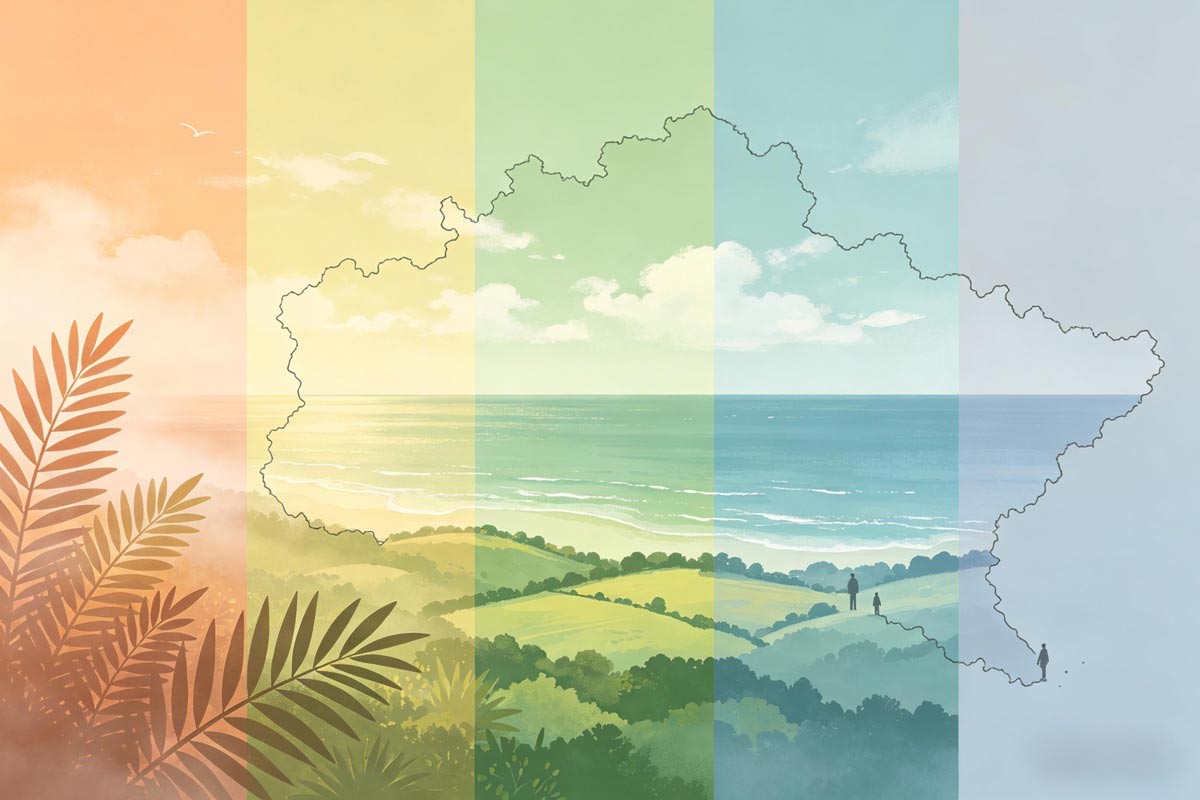
If you enjoy reading in sequence, a natural next path is Grain Rain, then Start of Summer, then the 24 solar terms overview. If you continue into early June, Grain in Ear (Mang Zhong) fits as the next chapter.
A sensory menu for Northern Hemisphere late May (Look, Smell, Taste, Do)
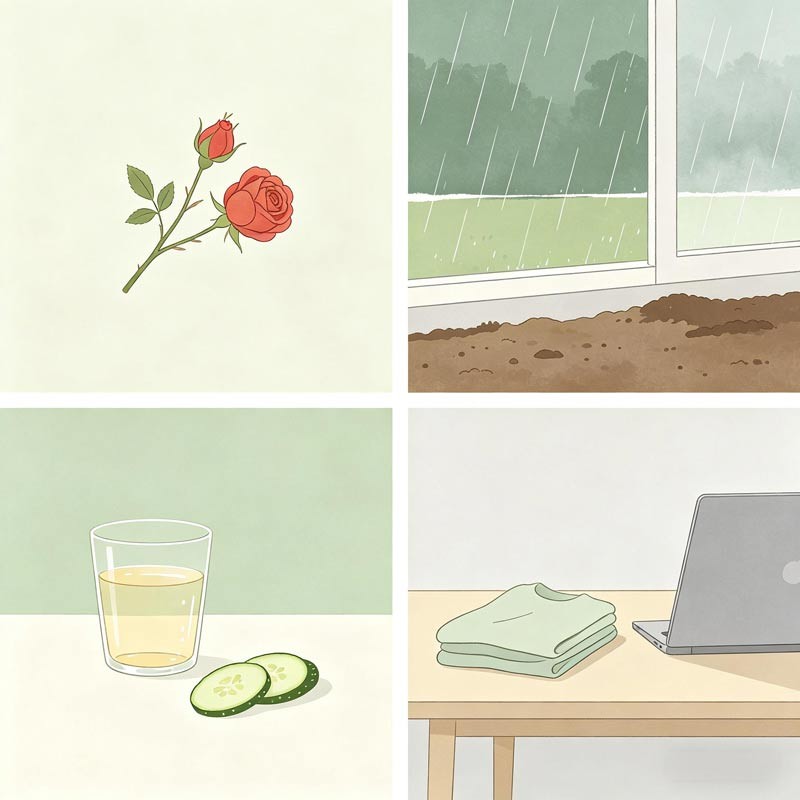
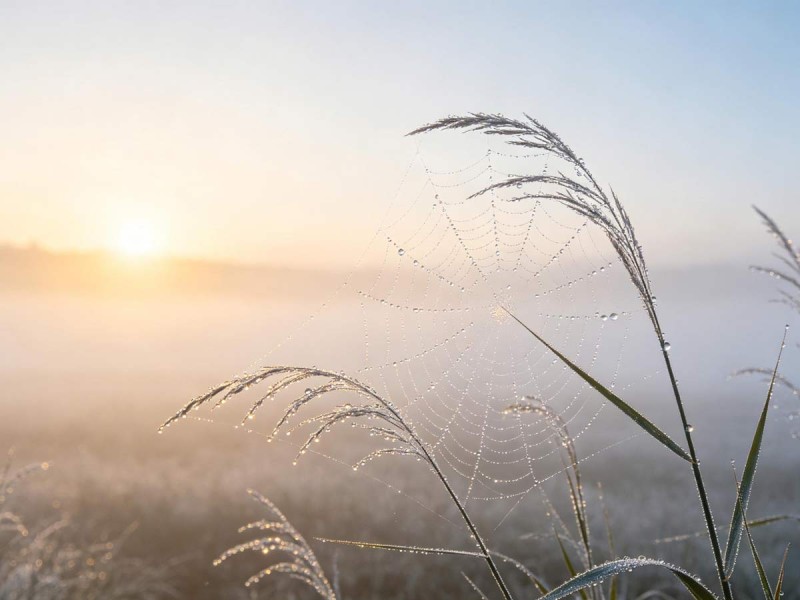
Look Find one obvious “unfinished” living thing near you: a berry that hasn’t reddened, a shrub that’s lush but not peaked, a tree that’s full of green but not yet summer-thick. Let it be a quiet teacher: this is allowed to take time.
Smell After a warm rain—common in much of the humid U.S. East and Midwest and similar climates—step outside for ten seconds and notice the petrichor. You’re not trying to romanticize weather; you’re giving your senses one unoptimized minute.
Taste Drink something mild and slow: water with citrus, barley tea, a gentle herbal blend. Skip “miracle claims” language; choose temperature awareness instead. In late May, many people swing between very cold indoor air and humid outdoor heat—a slow sip is a harmless way to return to your body.
Do Make one small fullness in your space: wash the mug stack, fold one visible pile, reset the entryway. Not a whole-house reset—a seven-minute proof that progress doesn’t require a cinematic montage.
Micro-plan: today, weekend, month
Today (5 minutes) Two lines on your phone:
- What is swelling in my life right now—evidence of growth, even if it’s imperfect?
- Where am I tempted to force ripeness—and what would a *small-fullness* move look like instead?
This weekend (30 minutes) Repeat a familiar walk, but slower. Pick one anchor: wind, birds, the heat radiating off a sidewalk. If you live where late May already feels like deep summer (hello, Sun Belt), choose shade and hydration as kindness, not punishment.
This month (one choice) Pick one domain where you will practice intentional incompletion: you’ll stop at good enough on purpose—not because you’re giving up, but because you’re training your brain to tolerate the almost.
FAQ
What does Grain Buds mean in English? It describes a stage where grains plump—almost full, not finished. Translator names vary; “Grain Buds” is common and visual.
How is Grain Buds different from Grain in Ear (the next solar term)? Think of Grain Buds as swelling—promise becoming visible. Grain in Ear (Mang Zhong) tends to carry more harvest-forward momentum (timing varies by climate and crop). Reading both in sequence often makes the seasonal story easier to feel.
When is Grain Buds (Xiao Man)? Usually mid-to-late May in the Northern Hemisphere. In 2026, many published calendars place it on May 21.
Is this tied to Memorial Day? Not inherently. Culturally in the U.S., late May can feel like a sudden shift—travel, gatherings, pressure. Use Grain Buds (Xiao Man) as a counterweight, not as a replacement for the holiday’s purpose and history.
Is this a rule? No. It’s optional language for regulating pressure.
What if my weather doesn’t feel like the article? Adapt. Indoor plants count. Shade counts. A cool evening after a hot day counts. Headlines love one national mood; your sensory truth is local.
Closing
If you take one idea from Grain Buds (Xiao Man), take the sentence: almost full, not yet. In a culture that trains you to call anything unfinished “behind,” a season that names swelling can be surprisingly kind.