This article uses a Northern Hemisphere baseline with U.S. examples where helpful. Local weather still varies by region, so treat examples as tendencies rather than one fixed national mood.
A steady intro to Major Cold, called Da Han (大寒) in Mandarin—the solar term often framed as winter’s heavy chapter in classical pacing: cold at peak story, not peak optimism. Plus language for a gentle reset: smaller heat, honest rest, permission to sync with solar-term winter instead of January influencer winter.
Not medical advice, not cold exposure for discipline points, not “manifest spring.” Ice storms, hypothermia, carbon monoxide, and unsafe heating harm people—follow NWS, NHS/CDC as fits your region, 988 in the U.S. for crisis moments, qualified clinicians for depression and chronic pain.
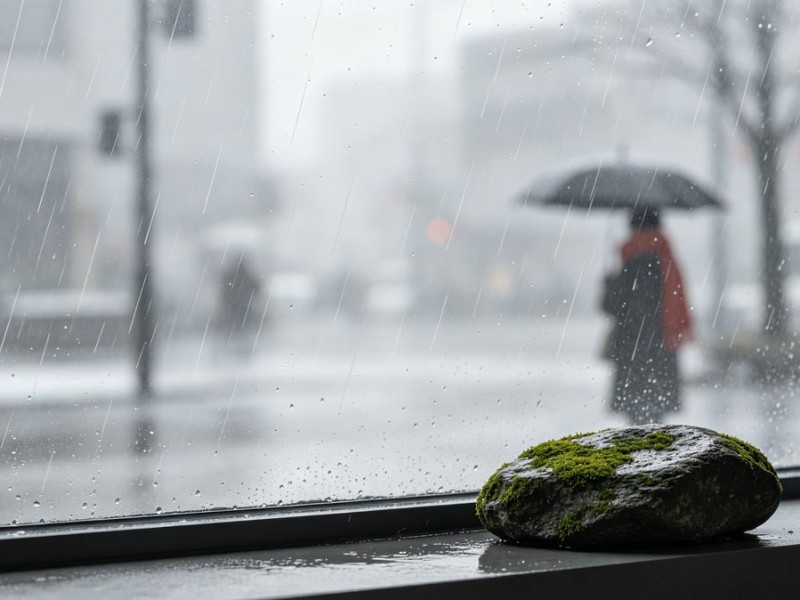
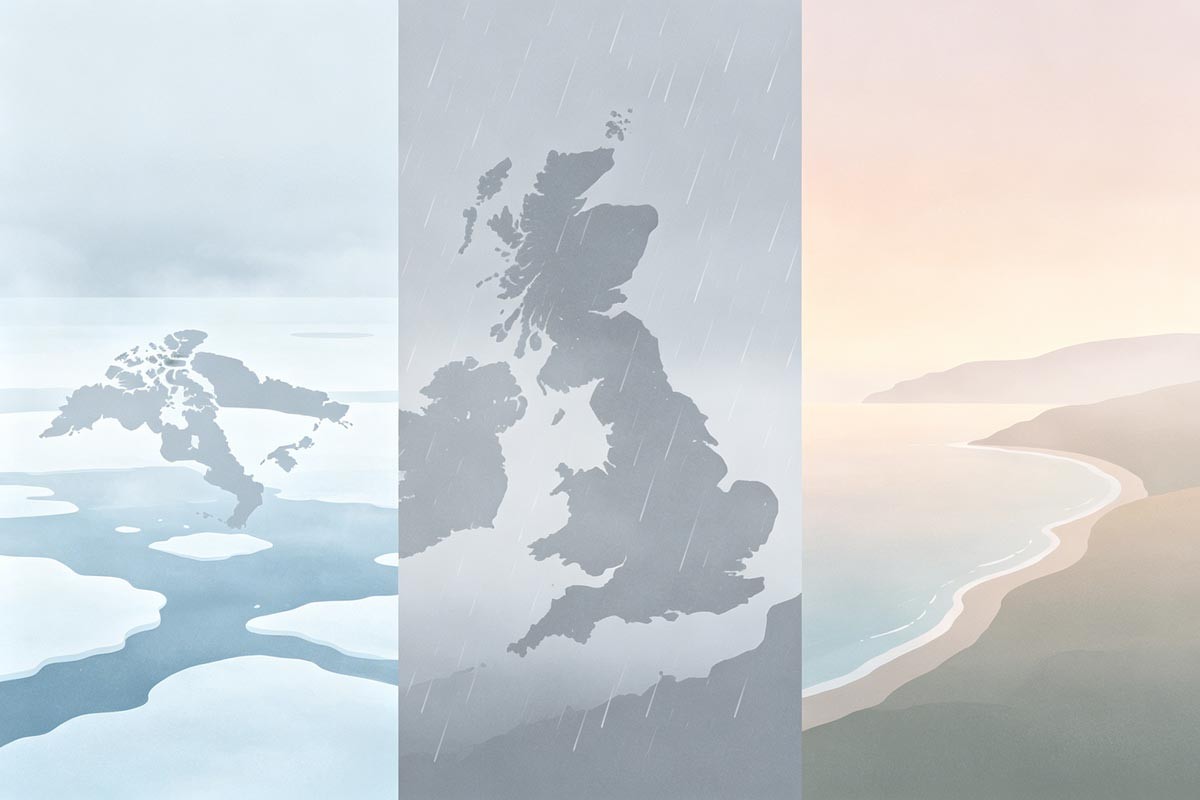
Late January can mean lake wind that steals words from your mouth, Atlantic grey that lasts weeks, ice fog on Midwest highways, mild rain in coastal California, or urban cold that penetrates thin walls. Da Han names winter’s stern chapter in seasonal literacy—not identical frost for every postcode—yet shared heaviness when light is still scarce.
Major Cold (Da Han) marks the chapter where traditional calendars often place winter’s stern summit—after minor cold tightens, before spring’s first whisper in classical sequencing.
Calendar honesty
Why “Major Cold” can sound dramatic while your Tuesday feels numb
Traditional texts describe 大寒 as major cold—the extreme of winter’s cold story in many lineages. Modern translation without superstition:
- Atmospheric mood: deep freeze, thaw mess, wind—January enjoys inconsistent cruelty.
- Psychological tone: numbness, impatience, quiet survival—common, not universal.
- Calendar friction: Gregorian winter continues while retail begins spring theater—noise adjacent to seasonal truth.
If your late January is mud, drizzle, or confusing warmth, you’re not failing winter. Translate Da Han as heavy winter seriousness—long nights, high stakes for bodies, slow social bandwidth—even when thermometers argue.
How Major Cold (Da Han) sits between Minor Cold (Xiao Han) and Start of Spring (Li Chun)
Rough neighbor map for seasonal reading:
- Minor Cold (Xiao Han): minor cold—cold tightening, early January step.
- Major Cold (Da Han): major cold—heavier winter chapter in classical pacing.
- Start of Spring (Li Chun): start of spring—spring opens story in many traditions—often still cold outdoors.
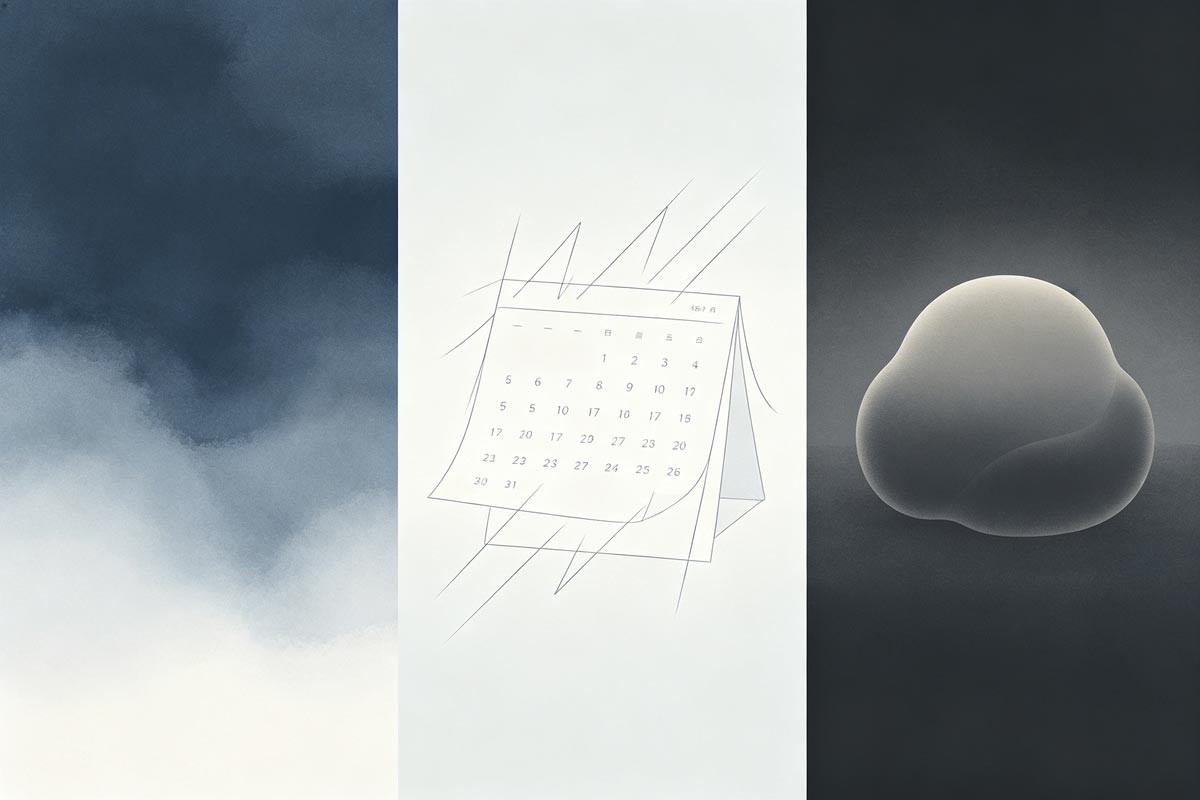
Late January in the United States and the United Kingdom is January without the ribbon. The holiday spike has faded; the credit card truth may remain; morning still starts in dark; spring ads already whisper shame while your radiator still clanks. Gregorian winter is real on the sidewalk—and solar-term winter has its own chapter titles that don’t require you to earn warmth with productivity.
Major Cold, called Major Cold (Da Han) in Mandarin, belongs to the 24 solar terms. Classical language often frames Major Cold (Da Han) as the summit story of winter cold—major not as drama for drama, but as scale: winter pressing hard before spring’s narrative permission arrives in the seasonal sequence. Modern translation: heavy cold, heavy fatigue, heavy bills—and permission to respond with small resets, not January punishments.
If you live where late January means grey drizzle and endless wind, Da Han still fits—heavy winter feel without powder-day cosplay.
What Major Cold (Da Han) means (without a trophy for suffering)
Traditional texts describe Major Cold (Da Han) as major cold—cold at peak in many agrarian calendars tuned to temperate East Asia. Useful contemporary gloss:
- Weather personality: ice storms, freeze–thaw, dry freeze—regional chaos.
- Psychological tone: patience thins, sleep fragments, hope feels naive—common, not moral failure.
- Economics: heat anxiety, school snow chaos, hourly workers in cold—winter priced in time and money.
Major in Major Cold isn’t a suffering contest—it’s a map scale. It’s the difference between “I should bounce back” and “I need warmth I can afford today.”
Calendar honesty: solar peak, gregorian slog, retail “spring”
Three tracks collide in many lives:
- Solar-term winter depth: Da Han—heavy cold chapter in classical pacing.
- Gregorian January: pay cycles, tax dread, short light—noise disguised as fresh start.
- Retail February preview: spring clothing drops while salt still eats your boots.
Da Han doesn’t reconcile those tracks. It offers one frame: winter is still serious—and serious can mean reduced output, earlier bed, simpler meals—gentle reset as biology, not brand.
For 2026, many published tables place Da Han around January 20—often the same month as U.S. MLK Day observance in some years or adjacent weeks, yet distinct meanings—honor civil rights history on its own terms; don’t merge with solar terms as metaphor props. Ephemeris precision matters for widgets; human precision matters for respect.
Lunar New Year preparation may appear on the horizon for many families—sometimes near Da Han depending on year—keep holiday ethics and seasonal literacy labels clean so readers aren’t graded on two calendars at once.
Time zones and publishing tables can split hairs by hours—precision matters for widgets, kindness matters for humans. If your family marks Major Cold (Da Han) adjacent to travel across continents, grace beats perfect alignment.
Minor Cold (Xiao Han) vs Major Cold (Da Han) vs Start of Spring (Li Chun): tightening vs summit vs spring opens (still cold)
Readers ask how Minor Cold, Major Cold, and Start of Spring differ.
- Xiao Han: minor cold—cold tightening step.
- Da Han: major cold—heavier winter peak story in classical pacing.
- Li Chun: start of spring—spring opens language—often while weather still feels like winter.
Meteorologically, a warm spike can land during “major cold” weeks—physics ignores poetry. Use solar terms as chapter titles, not forecast contracts.
If someone asks whether climate change makes Da Han meaningless, answer with humility and usefulness: seasons shift; cold still hurts bodies and budgets; tradition still helps people name late-January heaviness—housing, isolation, pain flares—even when snow is patchy or rain persists.
Polar vortex headlines don’t have to become panic porn—Major Cold can pair weather literacy with nervous-system kindness: check alerts, cancel if needed, no shame for staying home when ice wins.
Regional notes: late January patchwork (US & UK)
Upper Midwest can deliver honest Da Han—lake wind, squeak snow, skin cracking.
Northeast mixes ice with January thaw lies—translate Major Cold (Da Han) into black ice anxiety and slower everything.
Pacific Northwest may stack weeks of grey—UK-family winter feel—SAD risk for those prone; lamps as medicine-adjacent, not aesthetic.
UK: damp cold can penetrate layers without impressive temperatures—Major Cold validates that cruelty without thermometer contests.
Southern tiers can confuse spring teasers with safety—night still drops hard. Da Han refuses one insult: that mild afternoon means winter stopped mattering.
Urban renters meet drafts, mold risk, landlord delays. Rural routes meet fewer plows. Da Han writing should nod to: tenant advocacy, warm banks, fair pay for outdoor labor.
Outdoor labor meets major cold as policy, not mood: DOT crews, postal carriers, farm workers, sanitation—bodies that cannot romanticize wind chill. Da Han refuses cosy monopoly—gentle reset includes union wages, break rooms, PPE, fair overtime, not only mindful tea.
Education systems split January return across countries—US semester rhythms vs UK term dates—both can collide with Da Han mood: dark dismissal buses, wet corridors, short patience. Translate as permission for early dinners, fewer extracurricular guilt trips, honest tired.
Birdsong sometimes returns before spring marketing admits it—tiny sensory hope without denying cold. Major Cold can hold both: physics still stern, life still twitching.
Gentle reset—without the pressure industry
Reset culture sells fast detox, new identity, accountability posts. Major Cold offers a smaller definition: return attention to basics—heat, hydration, sleep, safe movement—without moralizing January fatigue.
Sober-curious readers may face dry January leftovers or pub winter—Da Han avoids alcohol morality—it can name social risk and self-protection as winter safety.
Parents meet school closures and childcare math. Caregivers meet elder cold sensitivity. Gig workers meet petroleum salt and no sick leave. Cosy copy that ignores structural cold fails reality.
Work, pain, and the lie of “course correction”
Q1 workplace panic can collide with seasonal depression. Da Han doesn’t tell you to lean in—it can validate bandwidth limits and clinical support when mood is unsafe.
Chronic illness communities track cold fronts—fibromyalgia, arthritis, Raynaud’s. Major Cold avoids triumph framing. Heat, rest, med plans aren’t laziness.
Creative workers face invoice drought after holiday spend. Da Han doesn’t add hustle sermons—it can authenticate that late January urgency is often manufactured.
Immigrant households may navigate two new years—Gregorian January and lunar holidays approaching—weather mismatch included. Da Han honors dual time without fusion confusion.
Travel spikes for some in late January—conference season, ski trips, family obligations—while others cannot afford heat, let alone plane tickets. Major Cold names class reality: reset isn’t equally accessible—gentleness includes money honesty.
Vitamin D and light therapy belong with clinicians, not blog swagger. Da Han can welcome medical nuance—seasonal depression is real—without turning articles into pseudo-pharmacy.
Quiet rituals: what a “cozy reset” looks like without performance
Cozy isn’t aesthetic—it’s operational:
- one pot of repeat soup—nutrition without novelty stress
- lamps before sunset guilt arrives
- text someone you’ll cancel if ice arrives—accountability
- split chores—dishes, snow, kid bedtime—so one nervous system doesn’t carry late January alone
Night recovery matters: phone outside bedroom, socks you actually enjoy, humidifier hygiene if recommended—scaffolding when morning feels like an argument.
If you live alone, February marketing can feel like judgment with flowers. Da Han permits truth: romance season is expensive and lonely for many. Pair metaphor with one chosen connection—chosen, not forced.
Faith communities may offer warm rooms—literally—for some. Major Cold doesn’t prescribe belief—it can note mutual aid where it exists.
Grid stress and storms still visit January—charged phone, cash, medications in one bag—small redundancy, not panic theater.
How Major Cold (Da Han) connects Xiao Han to Li Chun
If your library sequences winter’s end honestly:
- Minor Cold (Xiao Han): minor cold—tightening winter.
- Major Cold (Da Han): major cold—heavy winter peak chapter.
- Start of Spring (Li Chun): spring opens—often still cold outdoors—next chapter.
Readers who like to continue in sequence can also explore nearby terms across this late-winter arc.
Sensory menu
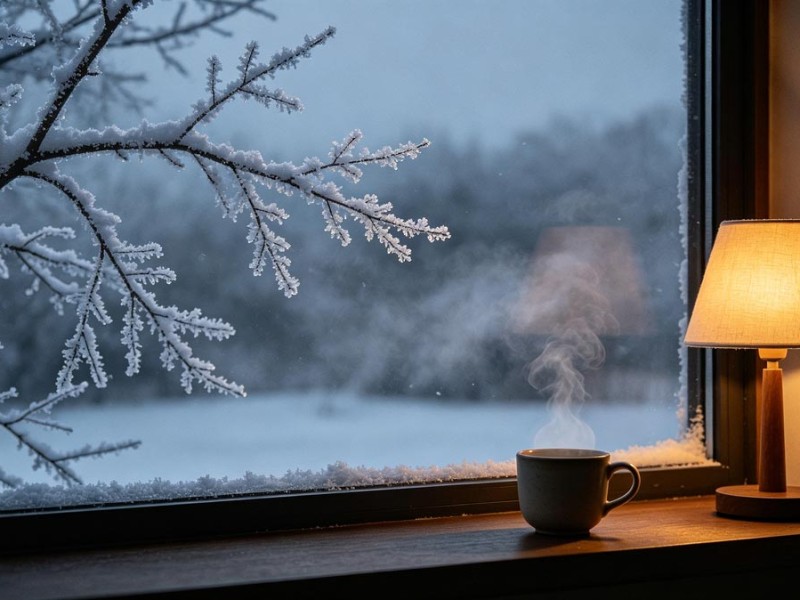
Study frost on a window corner—two minutes counts as beauty without buying anything.
Cold iron, wet dog, toast—late January truth.
Warm soup—slow chew; follow clinician guidance.
Set lamp timers before 4 p.m.—structure beats vibes.
Micro-plan: today, weekend, month
- Today (5 minutes)
Two lines:
- Line 1: What feels heaviest—money, cold, loneliness, pain?
- Line 2: What one kind subtraction is realistic—meeting, tab, scroll?
- This weekend (30 minutes)
Warmth audit: radiator bleed if you know how, CO detector check, ice melt for your walk—boring beats ER.
- This month (one intentional choice)
Pick one structural kindness—sleep earlier, meal repeat you like, one boundary text—non-negotiable.
Closing
If you remember one sentence from Major Cold (Da Han), remember late January can be heavy—and heavy deserves gentleness, not a performance review.
One more small practice for the week: when noise rises, lower one input—speaker, news tab, fitness ad—and let a gentle reset be kind.
If this season’s language helps you pace a real week, Join the Rhythm in Seasonal Life—small check-ins sized for Northern Hemisphere life. When you want something tangible, Explore this season’s picks in the Seasonal Shop (we only link what is actually live). Education and lifestyle only—not medical advice.
Read next: Minor Cold (Xiao Han) → Start of Spring (Li Chun) → the 24 solar terms guide.