Minor Heat (Xiao Shu): First Real Heat—Hydration, Shade, and Small Cool-Down Rituals

Early July across the Northern Hemisphere rarely whispers—compressors, late light, and midsummer traffic keep neighborhoods busy, and many mid-latitude roads can smell like hot rubber and urgency. In the United States, for example, ice machines run like infrastructure; elsewhere at similar latitudes the same week may sound like trams, sea breeze, or evening sports fields—different props, same negotiation. Minor Heat (Xiao Shu) is one of the 24 solar terms—24 traditional names for slices of the East Asian solar year (still echoed in calendars and modern language). Minor Heat is what English readers usually see first; Xiao Shu is romanized Mandarin for the same slice—handy for search, not homework. The term names the stretch when summer heat becomes the default soundtrack, not an occasional solo.
English translations often say Minor Heat, not because July is cute, but because classical seasonal maps pair it with Major Heat (Da Shu) still ahead—two chapters in the same sweaty book. Your job this week isn’t to win a vocabulary debate. Your job—if you want one—is to coordinate with reality instead of arguing with it online.
Sleep deserves an honest paragraph too: early July often steals sleep architecture—late sunsets, noisy neighbors, and public fireworks peaks where midsummer holidays stack noise against sleep—hard on trauma survivors and pets even when the holiday is beloved locally. Minor Heat can be a label for thermally and socially loud weeks without requiring you to feel #grateful for it. You can love light and still need earplugs, white noise, or a fan as civil rights for your nervous system.
What Minor Heat (Xiao Shu) means (without turning heat into moral failure)
Traditional language imagines summer’s heat rising in stages. Minor Heat is stage one as culture tells the story: heat you can still negotiate with—if you respect it. Major Heat (Da Shu), when it arrives, is the next notch—often described as swelter, steam, peak summer—though your local July may already feel like peak to you.
In some classical yin–yang seasonal language—an old paired metaphor (active yang versus cooling, resting yin), not a lab test—“minor” can also read as intensification beginning. That’s less a moral score, more a sequenced map for farmers and for anyone whose work used to follow the sun. You can borrow the map without buying a philosophy degree: first you feel it in the air, then you plan your day around it.
So use the term pragmatically:
- Heat as context—not as a personality test about toughness.
- Heat as schedule—early walks, shaded routes, realistic outdoor work windows.
- Heat as community—kids, elders, pets, unhoused neighbors, delivery workers—cooling access is an equity issue, not an aesthetic.
Psychologically, heat also changes patience thresholds—traffic feels worse, messages read sharper, shame spikes when you “lose your cool.” Naming Minor Heat (Xiao Shu) won’t fix systemic stress, but it can reduce personalization: the season is loud; you’re not uniquely defective for feeling frayed.
Calendar honesty: heat index vs. patriotism vs. paid time off
July layers calendars on top of physics:
Meteorology — heat domes, humidity, thunderstorms, smoke—sometimes all relevant to the same town or city in one afternoon.
National calendars (example: U.S.) — Independence Day in the United States brings fireworks, traffic, and crowds—meaningful and loud; other countries carry their own midsummer peaks and breaks.
Corporate summer — half-time interns, mid-year metrics, “back to school” ads insultingly early.
Personal reality — chronic illness, medications that change heat tolerance, indoor jobs without climate control.
Minor Heat doesn’t adjudicate which calendar deserves your loyalty. It names thermal ambient authority: you can love July and still need shade.
For 2026, many published tables place Minor Heat (Xiao Shu) around July 7 (Northern Hemisphere). Precision matters for astronomy-table enthusiasts; kindness matters for everyone else—translate the term as early July heat chapter, then adapt rituals to your forecast.
Hydration culture online is noisy—gallon challenges, detox theater, culture-war threads that have nothing to do with your water bottle. Minor Heat invites a boringly effective stance: drink according to thirst and sweat, favor steady sipping over chugging contests, and treat salt-containing fluids as sometimes appropriate for heavy sweating when medically appropriate—not as Instagram lore.
Why “minor” can sound insulting—and how to read it kindly
If you live where heat advisories—official warnings when heat and humidity are dangerous—are already routine by July, “minor” may sound like denial. Reframe it as sequence, not severity judgment:
- Chapter one: heat becomes ambient.
- Chapter two: heat often becomes headline—sometimes matching Major Heat (Da Shu), sometimes arriving earlier due to climate chaos.
Readers feeling spun by cheerlead optimism deserve honesty: traditional seasonal poetry can misalign with modern extremes. Name that mismatch openly—then offer micro-skills that still help: hydration timing, shade routes, buddy checks.
Climate change also shifts who gets surprised by heat. Regions that historically stayed mild can suddenly face dangerous warmth without cultural infrastructure—fewer homes with AC, fewer trees mature enough for shade. Minor Heat, used responsibly, pairs seasonal vocabulary with humility: check forecasts, learn wet-bulb (humidity-aware heat stress) intuition loosely—without turning a blog into meteorology school—and refuse Instagram stoicism.
Regional notes: early July as many local climates
Weather still argues place by place. The sketches below use well-known U.S. regional nicknames as picture labels—if you’re in Canada, the U.K., the EU, Australia, or anywhere else, read them as climate types and map to your nearest humid lowland, dry interior, cool ocean coast, or storm-prone plains.
If you live in hot-humid continental summers—think much of the eastern United States or similar lowland basins elsewhere—July can feel like breathing through a towel. Minor Heat maps cleanly to dew point reality (sticky humidity): prioritize cooling centers, fan and air-conditioning basics, never leaving kids/pets in parked cars—basic ethics, not blog novelty.
If you live in dry interior heat—e.g. much of the southwestern U.S. or comparable arid midsummer belts—dry heat can lie: you sweat less visibly while dehydrating faster. Sip even when not thirsty if your clinician agrees with general hydration guidance for your conditions.
If you live on a cool ocean coast, July might still bring marine layer mornings—coastal fog that often burns off later—so your “minor heat” week might emphasize sun breaks rather than constant scorch.
If you live where heat waves are still culturally “surprising”—many Pacific Northwest homes historically lacked air conditioning (AC)—Minor Heat should mention retrofit realities: fans, foil reflectors, basement hours—without mocking people who can’t afford upgrades.
If you live on wide continental plains, supercells—very large, rotating thunderstorms—can rewrite an afternoon; heat safety includes shelter plans, not only water bottles.
If wildfire smoke joins heat, outdoor “wellness walks” become luxury. Indoor cool-down rituals—foot baths, dim lights, filtered air—count.
High latitude & islands—from Alaska to Hawaii to Arctic coasts—remind you July isn’t one belt. Latitude and ocean reshape everything; Minor Heat should stay Northern Hemisphere framing with local humility—one neighborhood (or one country) is never the whole story.

Work, parenting, and the shame spiral of “you should enjoy summer”
Outdoor laborers know Minor Heat in their bones long before influencers post golden hour. Seasonal wellness writing fails when it ignores class. Credit delivery drivers, kitchen crews, farm crews, roofers, postal and parcel workers—people whose heat exposure isn’t optional.
Parents face another layer: kids home, camps expensive, boredom loud. Minor Heat can validate small schedules: sprinkler minutes, shade blankets on strollers, refusing heroic theme-park days during severe heat warnings (where your region issues them).
Office workers aren’t exempt—commute heat, building thermostat wars, blazer policies that ignore sweat—micro-stresses stack. Seasonal literacy here sounds like advocacy: cool water at the desk, realistic meeting lengths, permission to say “can we take this call walking in shade?” when safety allows.
Sensory menu for Northern Hemisphere early July (Look, Smell, Taste, Do)
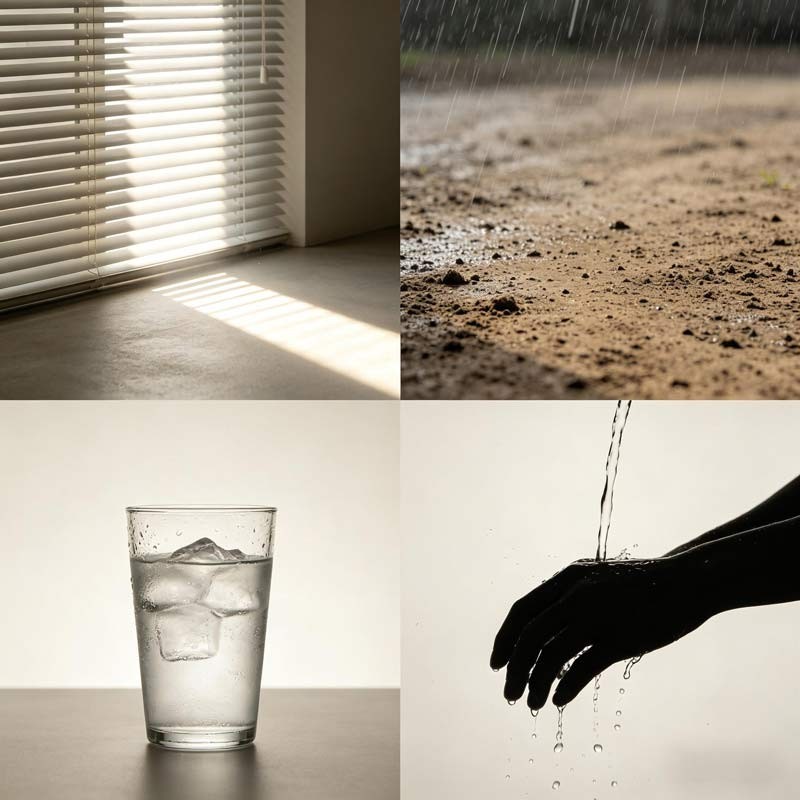
Look Find one generous shadow—tree, building, awning—and stand in it long enough to feel temperature drop on your forearms.
Smell Warm asphalt after rain—the sharp clean moment before humidity returns.
Taste Cold water with electrolytes if you sweat heavily—follow medical advice for kidney or heart conditions.
Do Run cool water over wrists—a cheap calm-your-nervous-system trick (the parasympathetic “rest” side); pair with slow exhale.
Micro-plan: today, weekend, month
Today (5 minutes) Two lines: what heat threatens today—skin, sleep, temper—and what one mitigation exists.
This weekend (30 minutes) One early outside moment or one deliberately cool inside hour—no optimization, only relief.
This month (one choice) Choose one heat policy for your household: pet walk timing, elder check-in cadence, hydration cue on your lock screen—boring beats brave.
If you manage a team, Minor Heat is also a management sentence: outdoor schedules deserve flex, water breaks aren’t “softness,” and remote options during excessive heat warnings can be both safety and retention—seasonal literacy for leaders sounds like adult supervision of weather, not yoga.
How Minor Heat (Xiao Shu) connects Summer Solstice (Xia Zhi) to Major Heat (Da Shu)
If your library teaches seasonality as sequence:
- Summer Solstice (Xia Zhi): peak daylight framing.
- Minor Heat (Xiao Shu): heat becomes ambient—negotiate daily.
- Major Heat (Da Shu): often framed as peak swelter—respect local forecasts over folklore.
Readers who like to continue in sequence can also explore nearby terms across this high-summer arc.
FAQ
Minor vs major—who wins the “hotter” contest? Tradition sequences Minor Heat (Xiao Shu) then Major Heat (Da Shu)—but records belong to weather stations, not slogans.
July 4 overlap—can I blend patriotism and solar terms? You can coexist—Independence Day commemorates U.S. independence; Minor Heat (Xiao Shu) names heat seasonality. Avoid implying the holiday exists for “wellness”—keep histories clean.
Medication, heat illness history, pregnancy—extra caution? Yes—some conditions change salt/water needs and heat tolerance. This article stays general; your clinician stays specific.
No AC at home—am I failing “self-care”? No—energy poverty and housing inequity are structural. Cooling centers, mutual aid, municipal resources matter more than personal shame.
Is “minor heat” ableist if I struggle in “mild” heat? Bodies vary—labels describe climate chapters, not your worth.
Does hating July mean I’m ungrateful? No—discomfort under loud seasonal marketing is a normal human response.
I’ve never heard of “solar terms.” Do I need Chinese culture to read this? No. Solar terms are traditional East Asian seasonal labels—roughly 24 named slices of the year tied to sun rhythm, farming memory, and modern holiday language. Minor Heat is the usual English name; Xiao Shu is romanized Mandarin for the same slice—useful for search, not a membership test.
Closing
If you remember one sentence from Minor Heat (Xiao Shu), remember summer stops asking permission—and you can still answer with shade, water, rest, and honest pacing.
Readers who read in sequence often continue toward Major Heat (Da Shu), look back at Summer Solstice (Xia Zhi), or open the 24 solar terms overview for the full arc.