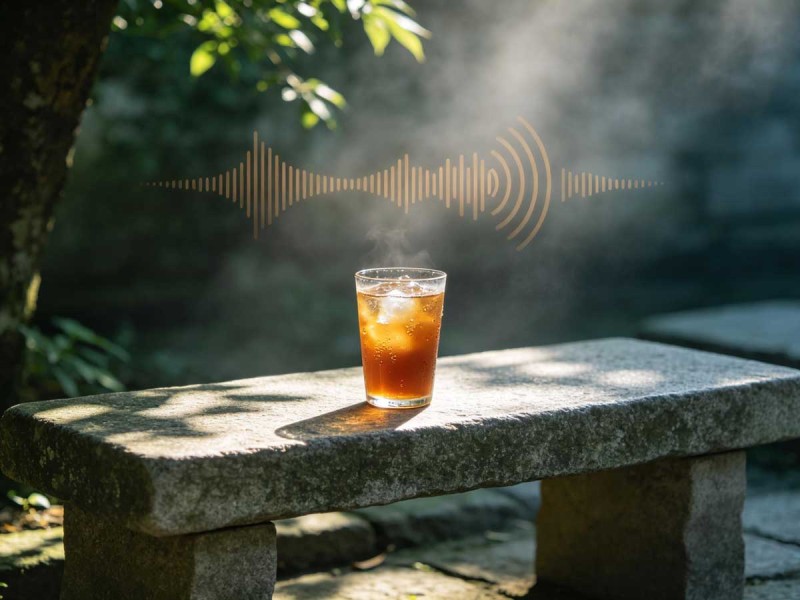
Major Heat (Da Shu): Peak Summer Heat—When the Calendar Says “Go” but Your Body Says “Slow”
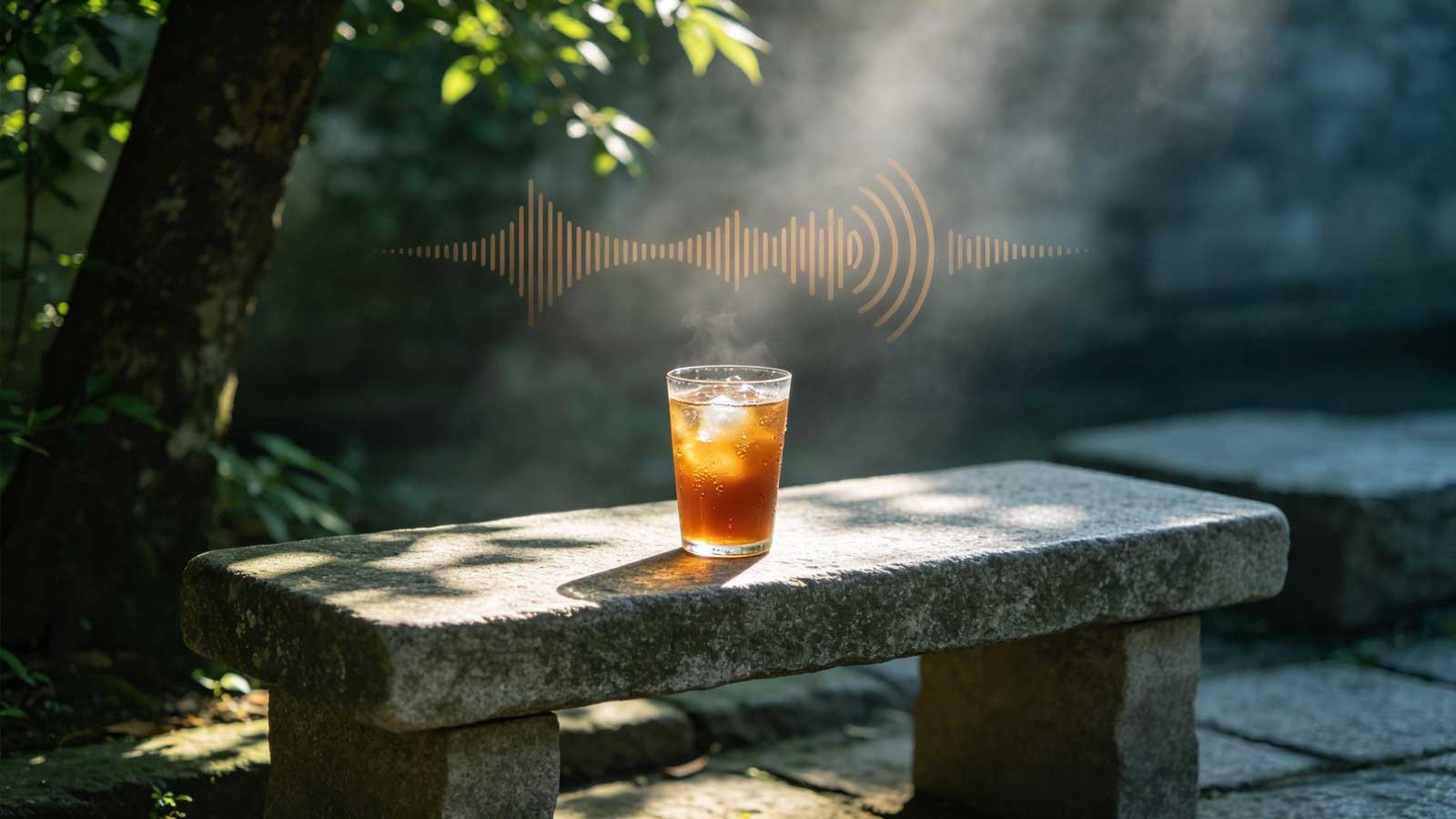
Late July across the Northern Hemisphere can feel like peak cognitive dissonance—long light, holiday marketing, and serious heat risk in the same week. In the United States, for example, ads sell freedom (roads, beaches, grills) while emergency care still sees heat illness and dehydration dressed as productivity; elsewhere the props differ, but the tension rhymes. Major Heat (Da Shu) is one of the 24 solar terms—24 traditional names for slices of the East Asian solar year. Major Heat is the usual English handle; Da Shu is romanized Mandarin for the same slice (search-friendly, not homework). The term names the stretch where summer stops flirting and starts occupying.
English translations say Major Heat because classical maps pair two summer intensifications: Minor Heat (Xiao Shu) then Major Heat (Da Shu). That “major” label isn’t trying to scare you—it’s trying to sequence reality: first heat becomes ambient, then heat becomes the boss. Your actual hottest week might already have happened—or might arrive in August—so treat records as local, not loyalty tests.
What Major Heat (Da Shu) means (without turning survival into aesthetic)
Traditional framing often describes Major Heat (Da Shu) as peak swelter: steamy fields, sluggish afternoons, the season where shade becomes sacred. Modern translation:
- Peak demand on bodies and power grids—not metaphor only.
- Peak shame risk—because culture still sells summer as proof you’re living right.
- Peak need for grounding—slow drinks, slower speech, slower promises.
If you dislike agrarian metaphors, keep it blunt: late July is allowed to be heavy.
Sanfu (three traditional “dog days”-style peak-summer periods on some East Asian calendars) sometimes overlaps this season in public conversation. You don’t need to import the full traditional schedule to use Major Heat (Da Shu) usefully. The practical reader takeaway is smaller: sustained high load—not a single hot afternoon, but a run of days that ask for different defaults. If your app’s weather string says “excessive heat warning” (or your country’s equivalent) more than “partly cloudy,” you’re in the spirit of the term—even if you never say Da Shu out loud.
Calendar honesty: heat domes, smoke, and the insult of “summer vibes”
Late July stacks incentives to move fast—vacation countdowns, school prep, fitness challenges, home projects squeezed before September. Meanwhile the atmosphere may deliver heat domes, humidity you can chew, monsoon swings, wildfire smoke, or flooding storms depending on latitude.
Major Heat doesn’t resolve those contradictions. It gives you one dignified refusal: not everything urgent is wise.
Sleep, again, is not a side quest. Long daylight plus late social sun and loud neighborhood nights can fray circadian rhythm even in people who “love summer.” Major Heat (Da Shu) is a good week to treat dimming the house as infrastructure, not aesthetic—for you, for kids, for anyone whose nervous system can’t metabolize infinite blue light after 9 p.m.
For 2026, many published tables place Major Heat (Da Shu) around July 23 (Northern Hemisphere). Precision matters for astronomy-table enthusiasts; psychological precision matters for humans—translate the term as late July intensity chapter, then adapt actions to your alerts.
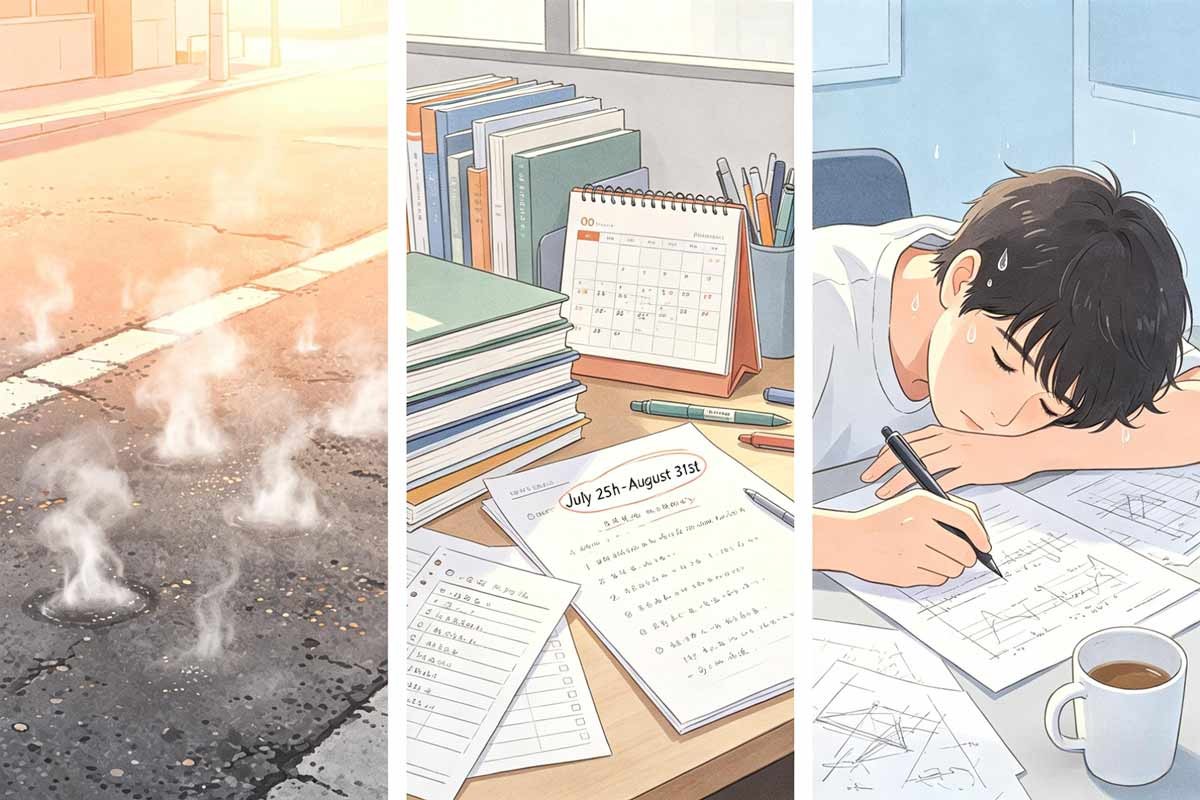
Minor vs Major: a sequence, not a thermometer contest
Readers love asking which is “literally hotter.” Answer with care:
- Traditionally: Minor Heat (Xiao Shu) then Major Heat (Da Shu) reads as escalation.
- Meteorologically: your record high belongs to your airport’s history, not to a Mandarin label.
Translation for marketing without misinformation: use Major Heat to talk about peak seasonal load—sleep pressure, workload, heat index days—without promising specific temperatures.
If someone asks whether climate change makes Major Heat “meaningless,” answer with both humility and usefulness: fixed calendar labels will misalign with shifting extremes—that’s exactly why modern seasonal writing must pair poetry with local observation. Major Heat (Da Shu) can still name psychological thickness—the feeling that summer has stopped negotiating—even when your coolest July week arrived in June.
Regional notes: late July is a patchwork emergency dress code
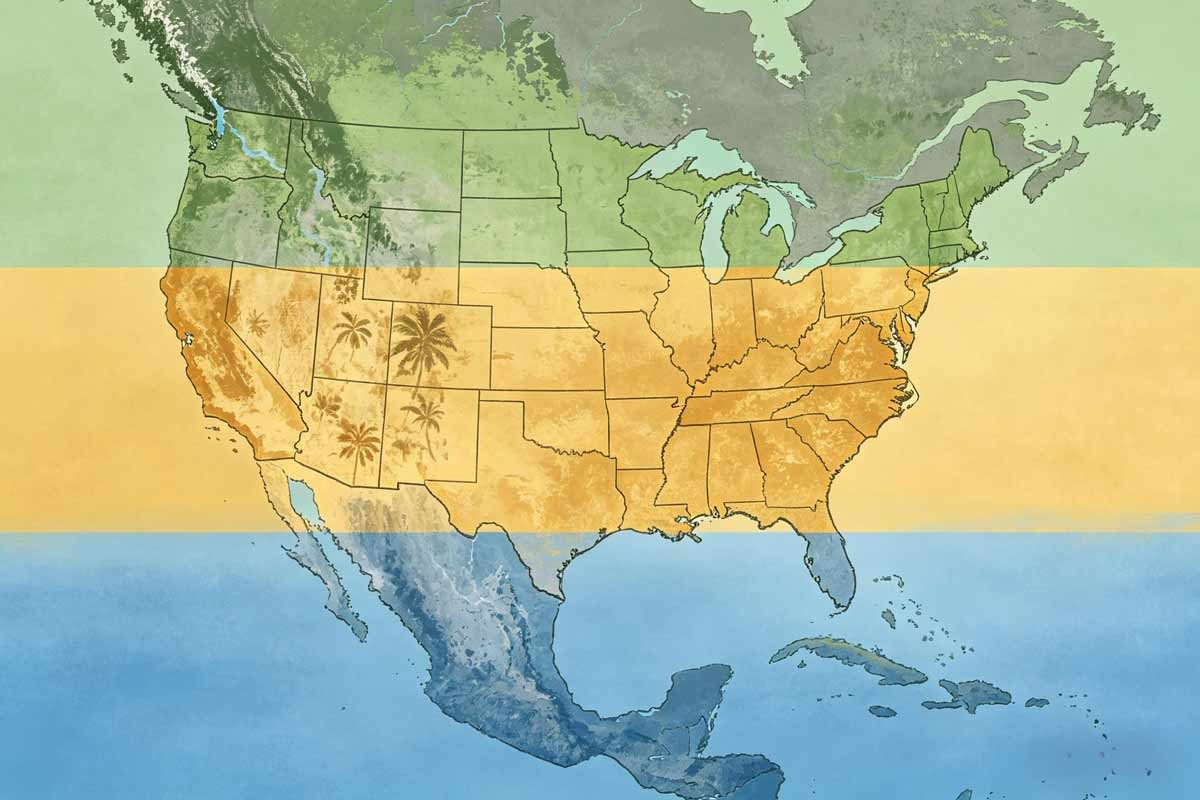
Weather argues place by place. The sketches below use familiar U.S. regional shorthand as picture labels—if you’re in Canada, the U.K., the EU, Australia, or elsewhere, map them to your humid coast, dry interior, cool ocean fog belt, or storm-prone basin.
If you live along Gulf-style or mid-Atlantic-style humidity, heat index—feels-like heat that mixes temperature and humidity—can be medically serious. Hydration isn’t vibes; it’s public health. Cooling centers matter; checking on elders matters; pet pavement rules matter.
If you live in desert cities, nights may cool—dry heat still deceives: dehydration sneaks in without dramatic sweat.
If you live on a cool ocean coast, July fog or a marine layer—coastal cloud that often burns off—might mute heat beside inland neighbors who bake—neighbor-envy weather is useless; local forecast isn’t.
If wildfire smoke joins heat, outdoor rituals become luxury. Indoor grounding—foot baths, dim light, filtered air—counts as seasonal intelligence.
Humidity changes the story even when the mercury looks modest on your phone. Heat index is not a vibe metric—it describes how evaporative cooling behaves on skin. In sticky climates, Major Heat can feel like breathing through a cloth; in dry heat, dehydration can sneak in while you still feel “fine.” Seasonal writing that only posts sunshine emojis erases that texture—Major Heat (Da Shu) is a useful label for late July load, not a promise of any single thermometer reading.
If you live where flooding dominates headlines, heat isn’t the only hazard—Major Heat chapters can include storms that rearrange weekends—seasonal literacy includes alert habits.
Work, parenting, and the shame soundtrack of “you’re wasting summer”
Outdoor workers carry Major Heat in muscles and paychecks—respect that hierarchy before posting sunrise yoga encouragement. Indoor workers aren’t exempt: commute platforms, warehouse floors, kitchen lines, delivery vans—heat exposure is often economic.
Parents hear another noise: back-to-school displays in July—a capitalist joke to some families, a budget panic to others. Major Heat (Da Shu) can validate small mercy: shorter outings, splash pads as civic infrastructure, refusing heroic amusement park days during extreme heat warnings (where your region issues them).
Chronic illness communities often know heat as symptom amplifier—migraine, dysautonomia, respiratory limits. Major Heat language should avoid triumph framing that reads as blame. Rest isn’t weakness; avoidance of midday exposure isn’t failure—it’s strategy.
Gentle grounding: what “slow” actually looks like on a July weekday
Grounding isn’t always yoga—it’s sometimes administrative:
- moving exercise earlier
- swapping metal tools at noon for shade tasks
- texting a neighbor before heat peaks
- accepting that your appetite changes—cold meals count as nutrition without moral drama
Night recovery matters: dark rooms, warm showers then cooler rinse, phones dimmed—cheap sleep scaffolding when sunset feels late.
If you live alone, late July loneliness can spike under long bright evenings—everyone else appears to be at a lake. Major Heat (Da Shu) doesn’t promise companionship; it can still permit truth: seasonal FOMO is marketing‑assisted grief. Pair seasonal language with real connection—text one human, join one low‑stakes hang—without turning a wellness article into therapy.
Heat ethics and equity—again, because poetry fails without labor truth
Seasonal wellness content fails when it ignores who cannot buy cool. Major Heat writing should nod to cooling centers, utility shutoff protections where they exist, tenant rights conversations, mutual aid—especially as heat waves intensify.
If your brand sells tea or rituals, keep claims cultural and sensory, not medical—especially under FTC / ASA scrutiny.
How Major Heat (Da Shu) connects Minor Heat (Xiao Shu) to Start of Autumn (Li Qiu)
If your library sequences summer honestly:
- Minor Heat (Xiao Shu): heat becomes ambient.
- Major Heat (Da Shu): heat becomes peak seasonal load in traditional pacing.
- Start of Autumn (Li Qiu): even before weather cools, culture begins pivot language toward harvest and restraint—often early August depending on tables.
Readers who like to continue in sequence can also explore nearby terms across this late-summer arc.
Sensory menu for Northern Hemisphere late July (Look, Smell, Taste, Do)
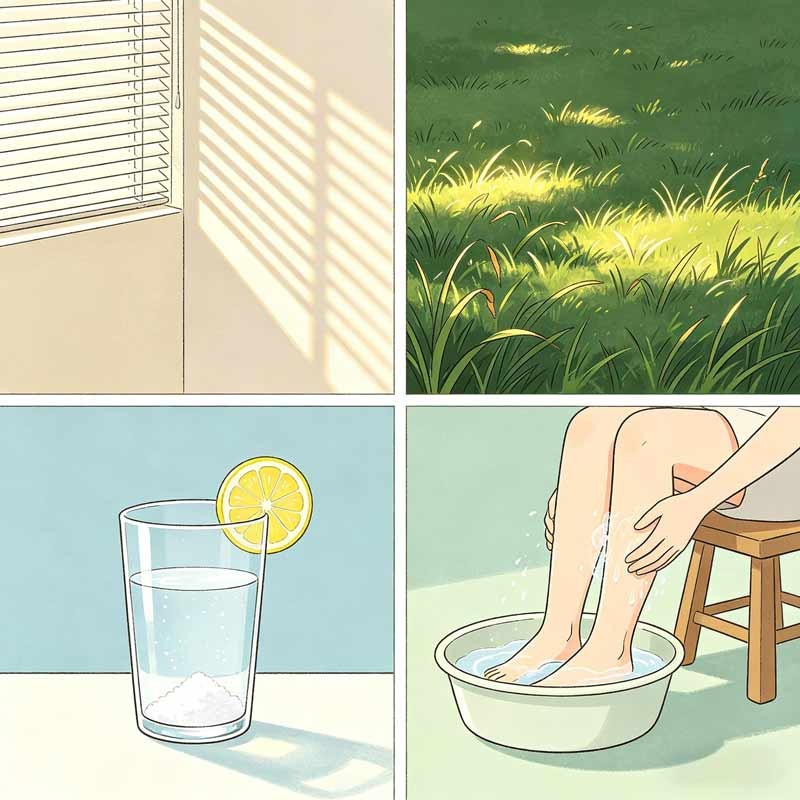
Look Watch heat shimmer for five seconds—then step back—proof your eyes believe physics.
Smell Tomato leaf, sunscreen, neighborhood smoke—honesty beats Pinterest herbs.
Taste Electrolyte fluids when appropriate—follow clinician guidance for kidney or heart conditions.
Do Cool water on forearms and neck—fast thermal comfort tricks for many bodies.
Micro-plan: today, weekend, month
Today (5 minutes) Two lines: today’s heat risk / one cancellation that protects your body.
This weekend (30 minutes) Evening wind-down with dim light—prove night exists even when sunset is dramatic.
This month (one choice) Pick one sustainable heat policy—hydration cue, earlier dog walk, fan map for your apartment—repeatable beats heroic.
FAQ
Q1: Is Major Heat hotter than Minor Heat everywhere on Earth? Tradition sequences Minor Heat (Xiao Shu) then Major Heat (Da Shu) as story; your national weather service / met office alerts (for example NOAA/NWS in the U.S.) sequence risk. Hottest week is local—it may not match the traditional calendar label in any given year.
Q2: When is Major Heat (Da Shu) in 2026? Many Northern Hemisphere tables list late July—often July 23 in 2026 depending on ephemeris and time zone. Treat it as a directional chapter, then follow your official forecast.
Q3: Wildfire smoke + extreme heat—which threat wins? Sometimes both—prioritize breathing and cooling per official guidance; outdoor “challenge” culture can wait.
Q4: Is “grounding” spiritual? Here it means nervous-system basics: cool water, dim light, slower speech—secular and compatible with clinical care.
Q5: Can athletes train through Major Heat? Many coaches adjust intensity—heat acclimation is real; heat illness is realer. Follow qualified coaching and medical advice.
Q6: Medications and heat? What about mood—summer depression or anxiety? Some drugs alter hydration or temperature regulation—ask your clinician; don’t crowd-source. Seasonal difficulty isn’t winter-exclusive—seek professional support if mood is unsafe.
Q7: I’ve never heard of “solar terms.” Do I need Chinese culture to read this? No. Solar terms are traditional East Asian seasonal labels—roughly 24 named slices of the year tied to sun rhythm and farming memory. Major Heat is the usual English name; Da Shu is romanized Mandarin for the same slice—useful for search, not a membership test.
Closing
If you remember one sentence from Major Heat (Da Shu), remember peak summer asks for humility—and humility includes rest.
One more small practice for the week: when a push notification advertises seize the day, read it as what it is—someone’s sales target—and let your own body arbitrate the seize part. Major Heat (Da Shu) is the right week to be boring in public: shady seat, shorter errand loop, earlier dog walk—boring is how a lot of people survive late July with their dignity intact.
Readers who follow the solar-year arc often continue toward Start of Autumn (Li Qiu), step back to Minor Heat (Xiao Shu), or open the 24 solar terms overview for the full map.