This article uses a Northern Hemisphere baseline with U.S. examples where helpful. Local weather still varies by region, so treat examples as tendencies rather than one fixed national mood.
A steady intro to Rain Water, called Yu Shui (雨水) in Mandarin—the solar term classically tied to moisture rising, thaw, and soft transitions. Plus practical softness for damp days: dry the mat, name the allergy plan, refuse the idea that February must feel decisive.
Not medical advice, not detox science, not a promise of cherry blossoms on schedule. Flooding, ice after rain, mold, and asthma flares are serious—follow local alerts, NHS/CDC as fits, qualified clinicians for allergies and mental health.
Mid-February can mean freeze-thaw mud in Minnesota, oceanic drizzle in coastal regions, pollen whispers in Georgia, confusing sunshine in California followed by night frost, or condensation on rental windows that won’t stop. Yu Shui names moist in-between weather in classical pacing—not identical humidity everywhere—yet a shared transition feel: not winter’s peak story, not spring’s triumph photo yet.
Rain Water (Yu Shui) marks the chapter where traditional calendars say water returns to movement—rain as relationship, thaw as process, spring as negotiation.
Calendar honesty
Why “Rain Water” can sound gentle while your hallway smells like wet dog
Traditional texts describe 雨水 as rain water—moisture increasing, ice yielding, soil waking—metaphors tuned to temperate East Asia. Modern translation without superstition:
- Atmospheric mood: drizzle, fog, freeze–thaw—February specializes in neither/nor.
- Body mood: stiff joints for some, migraine triggers for others, allergy alarms for many—not universal, very real for some.
- Calendar friction: Valentine's residue, Presidents' Day sales (U.S.), school-break fatigue in some regions—noise adjacent to mud.
Rain Water (Yu Shui) doesn’t pick a winner. It offers one frame: transitions are damp—and damp deserves structure (dry, warm, rest), not shame.
How Rain Water (Yu Shui) sits between Start of Spring (Li Chun) and Awakening of Insects (Jing Zhe)
Rough neighbor map for seasonal reading:
- Start of Spring (Li Chun): start of spring—spring opens story, often still cold.
- Rain Water (Yu Shui): rain water—moisture rises, transitional damp chapter.
- Awakening of Insects (Jing Zhe): awakening of insects—tiny stirrings later in pacing.
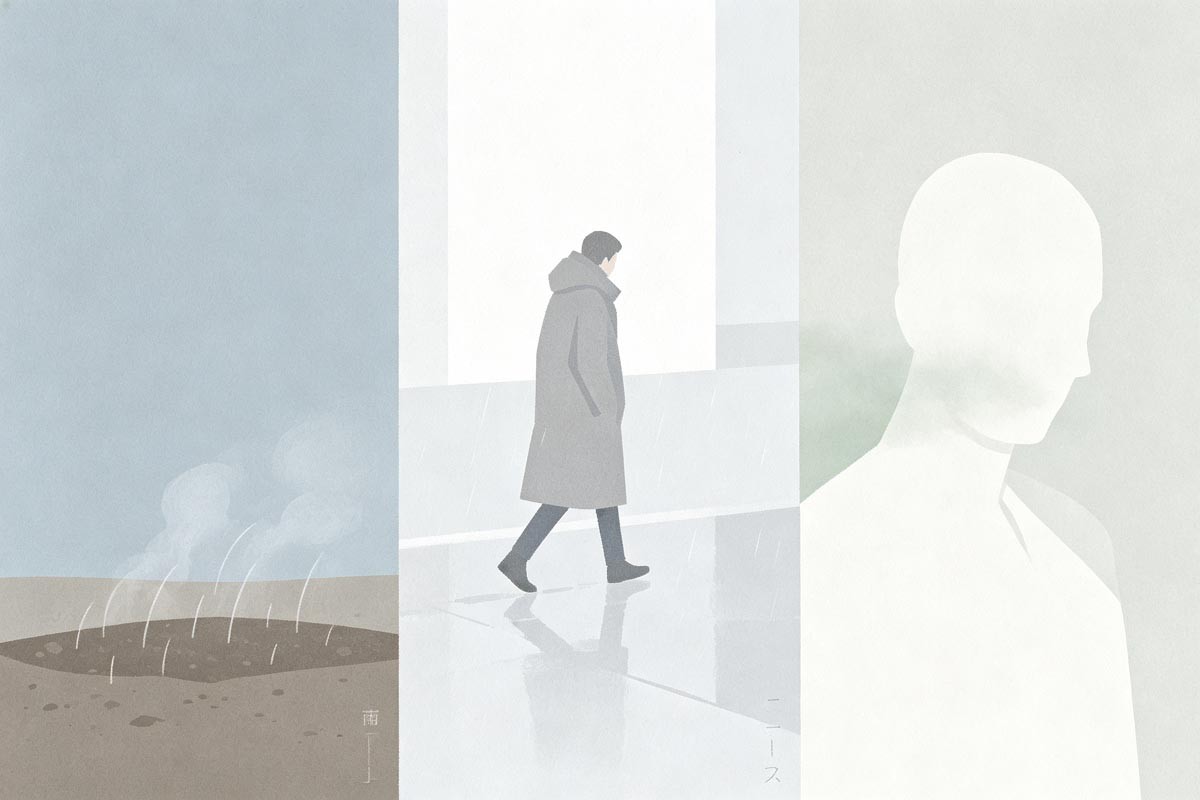
Mid-February in the United States and the United Kingdom is ambivalence with precipitation. Ice may still bite sidewalks; rain may annoy commutes; sun may tease pollen; your hallway may smell like wet wool no matter how often you clean. Gregorian February is not a mood stabilizer—it’s a corridor.
Rain Water, called Rain Water (Yu Shui) in Mandarin, belongs to the 24 solar terms. Classical language often frames Rain Water (Yu Shui) as water transforms—spring rain arriving, ice melting, soil loosening—slow moisture as plot, not a single storm scene. Modern translation: transitions are wet, patience is physical, spring is not a light switch.
If your Yu Shui looks like drizzle for weeks—common in parts of the UK and the Pacific Northwest—you’re not failing a postcard. Moist in-between days are still seasonal literacy.
What Rain Water (Yu Shui) means (without a weather guarantee)
Traditional texts describe Rain Water (Yu Shui) as rain water—moisture increases, rivers speak again in agrarian metaphors. Contemporary gloss:
- Hydrology + air: thaw, fog, humidity spikes—freeze–thaw breaks infrastructure and ankles.
- Psychological tone: irritability, restlessness, hope with mud—common, not moral failure.
- Economics: heating vs ventilation fights in rental flats, car repairs after pothole season, kids’ indoor recess—February priced in stress.
Rain Water doesn’t promise April. It promises truth about middle states: you may feel unfinished.
If spring anticipation triggers grief—seasons used to mean someone—Yu Shui makes room for both: honest longing and honest endurance, without scoring your February against flower stalls.
Calendar honesty: solar damp step, gregorian slog, capitalist “almost spring”
Three tracks overlap:
- Solar-term moisture chapter: Yu Shui—classical rain water pacing.
- Meteorological reality: winter buckets still tick in many regions—cold persists.
- Retail spring: pastels, travel ads, cleaning cult—noise adjacent to tired bodies.
Yu Shui doesn’t crown a winner. It offers one frame: moist transitions deserve gear (mat, dehumidifier plan, allergy stash) not self-blame.
For 2026, many published tables place Yu Shui around February 18—often near U.S. Presidents’ Day weekend in some years—different meaning; don’t merge mattress sales with solar terms. Ephemeris precision matters for widgets; human dignity matters for readers—translate Yu Shui as mid-February moist-transition chapter, then adapt to your forecast, allergies, housing, mobility.
Lunar calendars may place cultural holidays adjacent to solar-term dates some years—beautiful, not identical—keep labels clean.
Daylight Saving hasn’t flipped yet in much of the US—February gains still arrive slowly. Keep DST policy and solar-term literacy on separate lines so readers don’t moralize clock battles as personal failure.
Time zones split hairs at hours—diaspora families negotiate rain texts across continents. Yu Shui rewards grace: seasonal literacy is support, not quiz.
Start of Spring (Li Chun) vs Rain Water (Yu Shui) vs Awakening of Insects (Jing Zhe): spring opens vs moisture vs tiny stirrings
Readers ask how Start of Spring, Rain Water, and Awakening of Insects differ.
- Li Chun: start of spring—spring opens narrative, often still cold.
- Yu Shui: rain water—moisture rises, transitional damp.
- Jing Zhe: awakening of insects—small animal/energy stir story in classical pacing—next step.
Meteorology ignores poetry: drought can persist; floods can arrive early. Use solar terms as chapter titles, not forecast contracts.
If someone asks whether climate change makes Yu Shui meaningless, answer with humility and usefulness: rain patterns shift; basement anxiety persists; tradition still helps people name damp transitions—mold, fatigue, lonely grey—even when skies feel wrong compared to childhood memory.
Agrarian memory still lives in allergy seasons and garden center hours even for apartment readers—Rain Water can be heritage-aware without romanticizing rural life for urban pain.
Regional notes: US patchwork and UK drizzle logic (UK-friendly)
United Kingdom: Atlantic air can deliver soft rain as a personality—Yu Shui validates persistent grey without snow requirement. Damp cold penetrates walls; condensation triggers health anxiety—pair seasonal literacy with tenant resources where relevant.
Pacific Northwest shares UK adjacency—moss, SAD risk for those prone; humidity indoors battles heat.
Upper Midwest / Northeast meet freeze–thaw—black ice, potholes, salt budgets. Rain Water translates into mud economics—cars, boots, walkability.
Southern tiers may spike early pollen—allergy clinics know February cruelty. Yu Shui doesn’t moralize sinuses.
Urban renters fight mold, draft + condensation combos. Rural roads melt and refreeze. Outdoor workers meet cold rain without romance. Writing should nod to: fair wages, waterproof gear, non-punitive weather delays.
Basement apartments and floodplains meet February as anxiety first—sump pumps, insurance fine print, landlord response time. Rain Water should never romanticize moisture for people trapped with it.
Coastal US and UK know storm surges and coastal gales even in “soft” weeks—NWS / Met Office alerts beat aesthetic rain when safety is on the line.
Disabled readers may meet damp as wheelchair corrosion, slip risk, chronic pain—transitions aren’t equal access. Yu Shui naming should include structural compassion: ramps salted, transit that doesn’t abandon riders in ice-rain.
Holidays adjacent—without merging meanings
Valentine’s hangover, half-term trips (UK), Presidents’ Day travel (U.S.)—February is crowded. Yu Shui is not romance mandatory—keep seasonal framing honest.
Grief can spike when couples imagery dominates feeds. Rain Water language should never score loneliness—it can permit small protections: mute, walk without podcast, text one safe friend.
Work, school, bodies—in-between isn’t laziness
Teachers manage indoor recess and flu overlap. Parents manage wet gear explosion at the door. Remote workers still live in humid flats. Creative freelancers meet invoice drought while weather steals shoot days. Cosy copy that ignores damp housing fails reality.
Chronic illness communities track barometric drama—migraine, arthritis, POTS—transitions are not neutral. Yu Shui avoids triumph framing. Rest, meds, clinical plans aren’t laziness.
Immigrant households may feel weather dissonance—home-country spring memory vs local drizzle—dual time without fusion confusion.
Students face midterm clouds literally and figuratively—Yu Shui refuses one insult: that your energy must match spring campaign aesthetics.
Eco-grief can spike when rain feels wrong—too much, too little, too warm. Pair climate honesty with human-scale pacing: local mutual aid, neighbor checks in storms—without turning blogs into doom or denial.
Vitamin D and light therapy belong with clinicians—Yu Shui can welcome medical nuance for seasonal depression without pseudo-pharmacy.
Quiet rituals: what “soft transitions” looks like on a damp February weekday
Soft isn’t aesthetic—it’s operational:
- dry the mat—physics before perfume
- swap one scroll for three minutes of rain sound—if it soothes your nervous system
- one window minutes when outdoor air helps—not self-punishment in freeze
- split wet-gear labor—kids, partners, roommates—so one person doesn’t become the family dehumidifier
Night recovery matters: socks you enjoy, phone outside bedroom, consistent wake—scaffolding when morning still feels heavy.
If you live alone, February ads can sound like loneliness with heart emojis. Yu Shui permits truth: soft transitions include financial stress. Pair metaphor with one chosen connection—chosen, not forced.
Gardeners watch soil moisture like oracle—Yu Shui honors patience: mud is information, not failure.
Faith communities sometimes offer meal trains—literal softness. Rain Water doesn’t prescribe belief—mutual aid counts.
Powerful storms still arrive in February—charged phone, cash, medications in one bag—small redundancy, not panic theater.
Birdsong may thicken—tiny sensory hope without denying damp. Yu Shui can hold both: biology twitching, jobsites still miserable.
Southern Hemisphere readers: February is late summer there—this article is Northern Hemisphere oriented; swap seasons mentally or seek your local autumn/winter counterpart when your skies turn.
How Rain Water (Yu Shui) connects Li Chun to Jing Zhe
If your library sequences spring’s early chapters honestly:
- Start of Spring (Li Chun): spring opens—quiet start mood.
- Rain Water (Yu Shui): rain water—moist transitional chapter.
- Awakening of Insects (Jing Zhe): tiny awakenings—next step in pacing.
Readers who like to continue in sequence can also explore nearby terms in this spring arc.
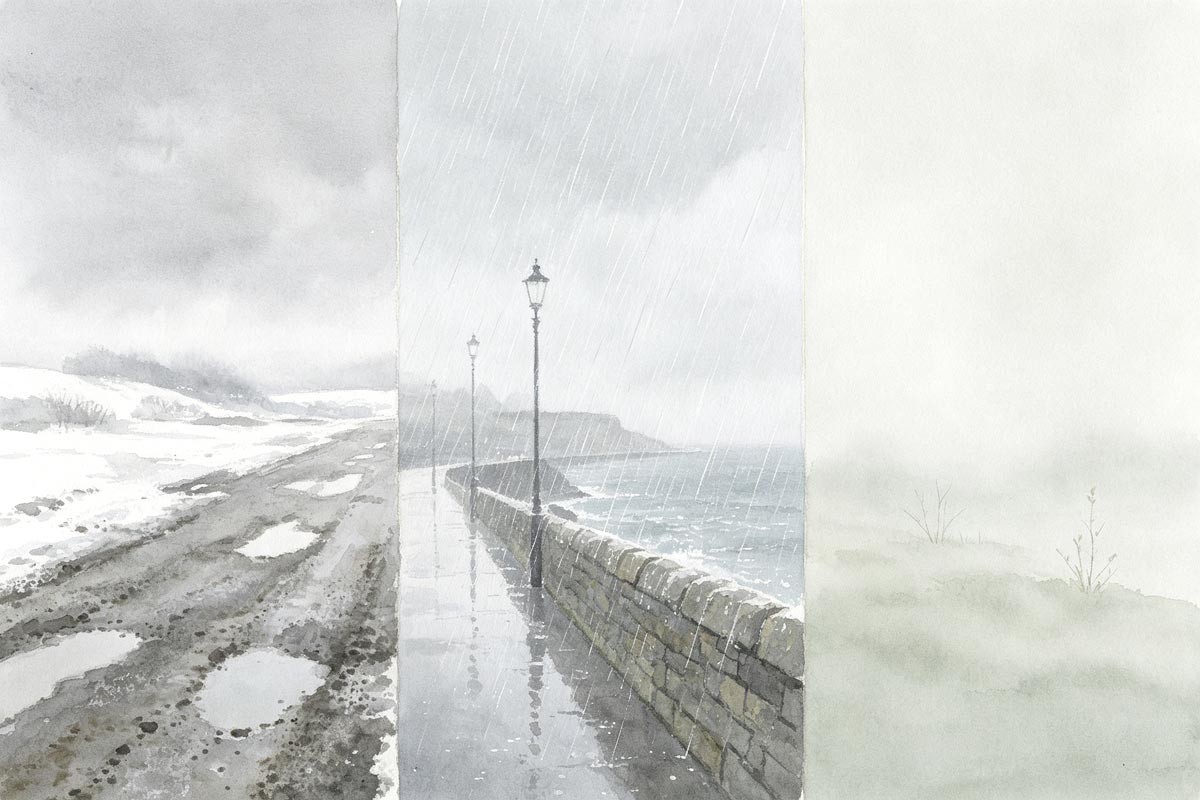
Sensory menu
Notice condensation geometry on a window—proof of inside vs outside.
Wet concrete, moss, laundry that never dries—honest February.
Warm broth—slow chew; follow clinician guidance.
Wring the mat—structural kindness beats vibes.
Micro-plan: today, weekend, month
- Today (5 minutes)
Two lines:
- Line 1: Where is damp + money + tired stacking—commute, kids, inbox?
- Line 2: What one dryness helps—towel, socks, earlier lamp?
- This weekend (30 minutes)
Mold-lite weekend: move one damp thing toward dry—boots, shower curtain edge—especially if your building holds moisture.
- This month (one intentional choice)
Pick one allergy realism task—filter order, clinician message—if spring hits your sinuses early.
Closing
If you remember one sentence from Rain Water (Yu Shui), remember transitions can be damp—and damp days deserve gentleness, not a performance. Let the week be a little slower if your nervous system says so—that counts as seasonal intelligence, not weakness.
One more small practice for the week: when “spring refresh” posts arrive, rename the task to dry one corner, drink water, sleep. Yu Shui rewards honest softness.
If this season’s language helps you pace a real week, Join the Rhythm in Seasonal Life—small check-ins sized for Northern Hemisphere life. When you want something tangible, Explore this season’s picks in the Seasonal Shop (we only link what is actually live). Education and lifestyle only—not medical advice.
Read next: Start of Spring (Li Chun) → Awakening of Insects (Jing Zhe) → the 24 solar terms guide.