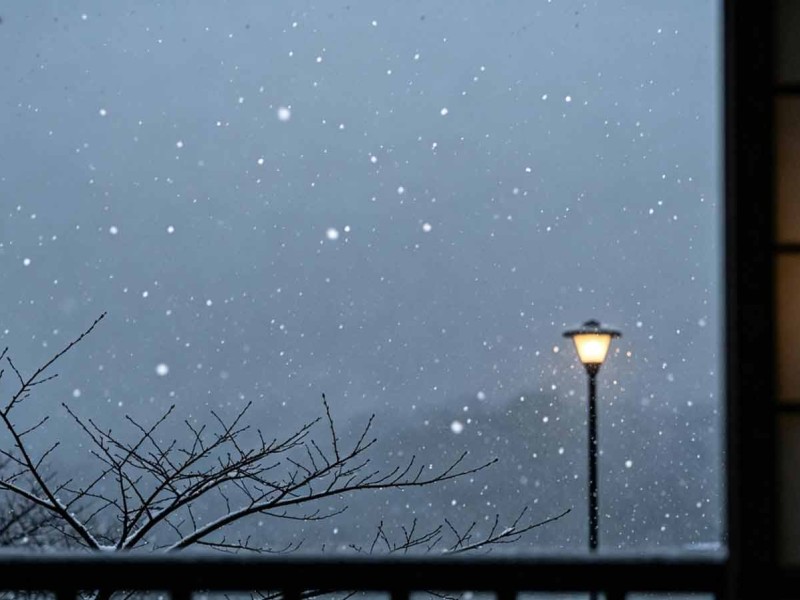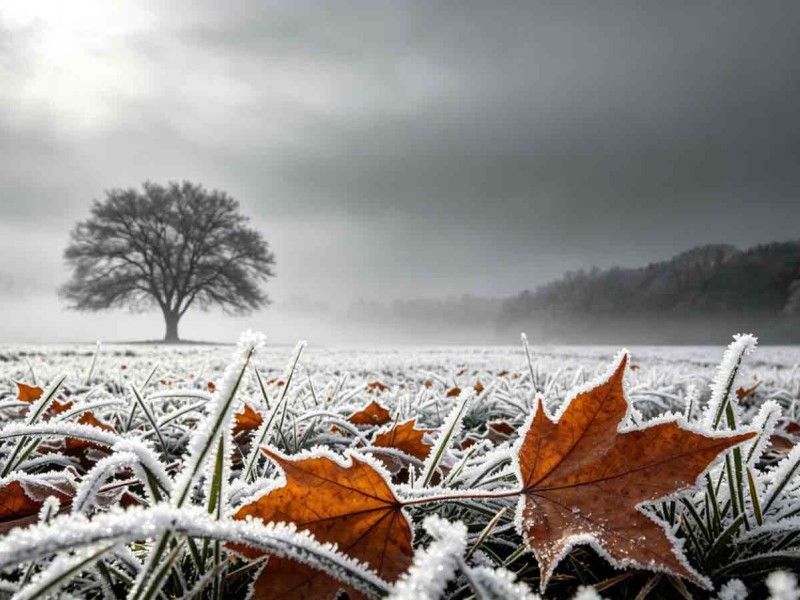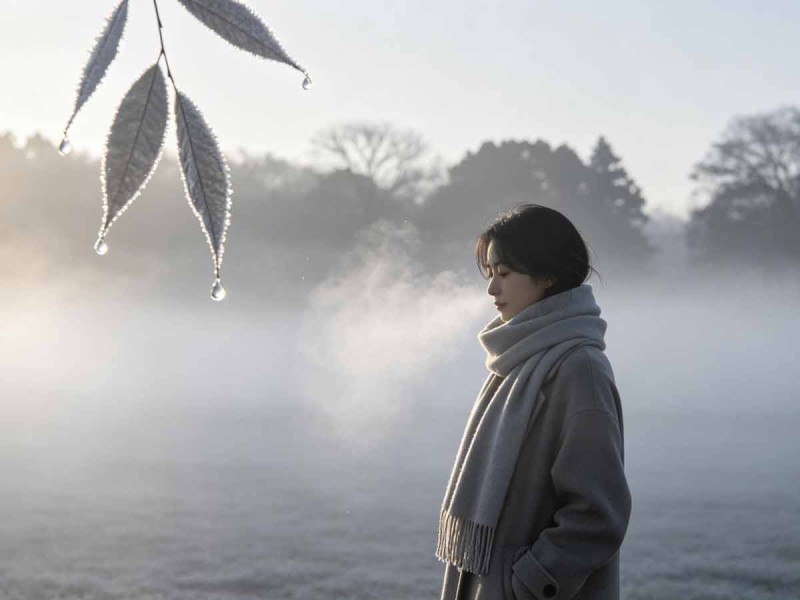
Start of Winter (Li Dong): Store Energy Kindly—Permission to Do Less (Northern Hemisphere)
Early November across the Northern Hemisphere often feels like walking down a long hallway: the light leaves earlier, the heating bill arrives on schedule, and the calendar gets loud before the holidays do. In the United States, porches may still look like autumn while holiday tests, even-year election stress, and tax-year anxiety turn the month sharp for anyone who checks dates the way some people check their pulse. In the UK and much of northwestern Europe, the same weeks can mean Atlantic lows, short afternoons, school-term fatigue, bonfire-week evenings, Remembrance weekend, and heating bills—a different set of headlines from U.S. Thanksgiving season, same squeezed bandwidth. Elsewhere, you might get dry interior cold, humid coasts, monsoon shift, or just an ordinary inbox that won’t stop—either way, your body may still be tired from October while the sky steals evening faster each week.
Start of Winter, known as Li Dong (立冬) in Mandarin, belongs to the 24 solar terms. In classical framing, Li Dong is when winter is considered to have begun—not necessarily where snow obliges you, but where the year’s story says: store, conserve, slow. The English label Start of Winter can irritate warm-climate readers—fair. Think of Li Dong as permission to match output to light—kindly, not punitively.
What Start of Winter (Li Dong) means (without demanding you love winter)
Traditional language often describes Start of Winter (Li Dong) as the threshold of winter—what classical texts sometimes call yin cold (roughly, cold-as-quiet-depth), growth slowing, world turning inward. Translation without metaphysics:
- Energy budgeting: shorter days often mean less daily margin—sleep, cooking, childcare, commute—in the same clock hours.
- Thermal budgeting: heating costs rise; layers stop being aesthetic and become economics.
- Social budgeting: holiday creep pressures performative joy—Li Dong can refuse that pressure politely.
If you dislike classical vocabulary, keep it blunt: November wants fewer heroic promises.
Store energy kindly—from the title—is anti-hustle framed as seasonal realism: close tabs, eat warm food, sleep earlier, say no to one optional chaos—because cold months punish pretend stamina.
Calendar honesty: three winters, one civic noise machine
November stacks definitions:
- Solar-term winter: Li Dong—often early November—traditional “winter opens.”
- Astronomical winter: December solstice—scientific boundary.
- Retail / school-calendar winter: holiday displays, Black Friday previews, year-end KPIs, sometimes Thanksgiving-season noise (especially in the U.S.)—emotionally loud, meteorologically messy.
Start of Winter (Li Dong) doesn’t adjudicate which winter is “real.” It gives one usable sentence: you’re allowed to narrow your life to fit dark afternoons—without apologizing for being human.
For 2026, many published tables place Li Dong around November 7—sometimes within days of U.S. general elections in even years—adjacent stress, different meanings. Calendar apps can obsess over ephemeris precision; psychological precision matters for humans—translate Li Dong as early November winter chapter, then adapt actions to your forecast, housing, health, and citizenship fatigue where you vote.
Daylight Saving Time ends on different dates by country—the EU and UK often shift in late October; most U.S. states “fall back” on the first Sunday in November. Neither change is Li Dong—both can still land in the same emotional season as “where did the evening go?” Keep the distinction clean: Li Dong is a solar-term winter opening; DST is policy on a separate national schedule.
Remembrance Sunday (UK and Commonwealth, the Sunday nearest November 11), Veterans Day (U.S., November 11), and Thanksgiving (U.S., fourth Thursday in November) can sit in the same month as many Start of Winter (Li Dong) weeks—different holidays, different griefs, different logistics. If you’re posting online—or texting the family group chat—keep the distinction clean: don’t flatten service and loss into cozy metaphors; honor boundaries, keep language sensory and humane.
College campuses hit a strange ridge—midterms, early darkness, flu mixing bowls in lecture halls. Start of Winter (Li Dong) doesn’t simplify student debt anxiety; it can still permit thermal realism: coat in the backpack, sleep as strategy, one fewer heroic all-nighter.
Sleep is infrastructure: 4:30 p.m. sunset in many mid-latitudes can feel like a personal insult—Start of Winter (Li Dong) weeks reward bright lamps, earlier meals, consistent wake times, phone boundaries—especially for kids slammed by homework + darkness.
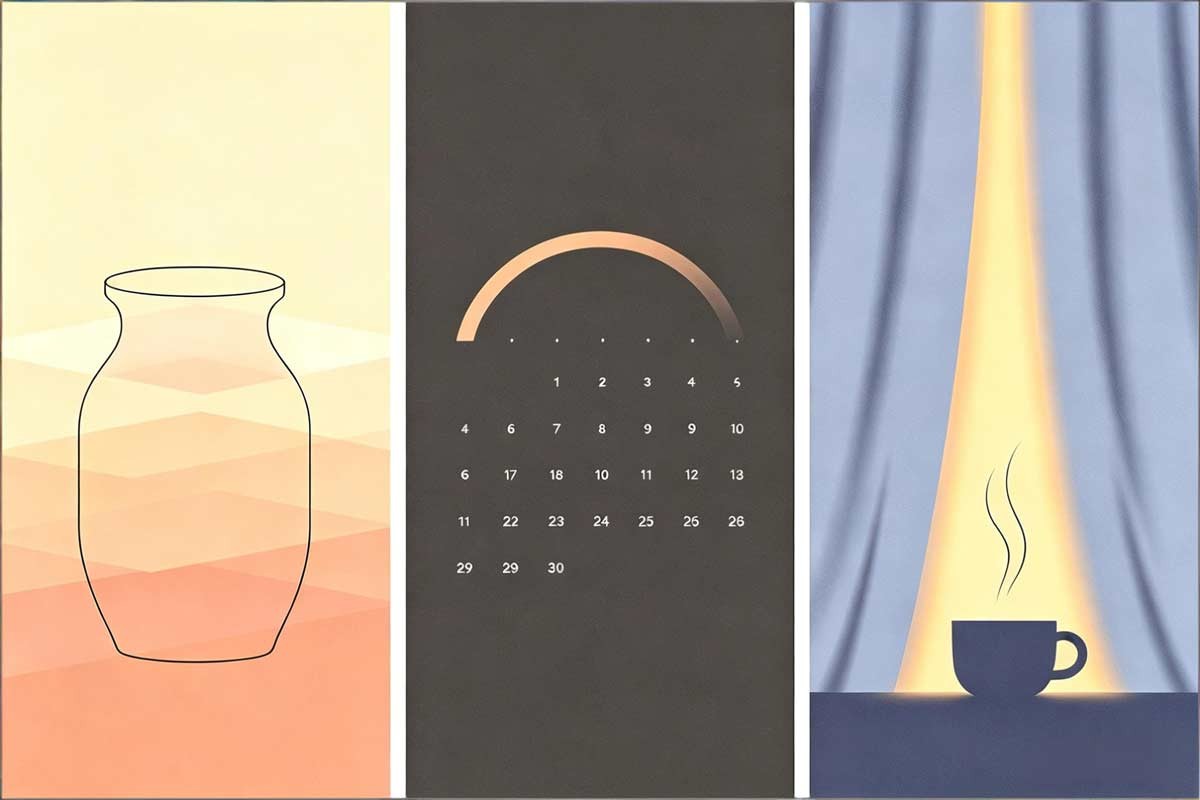
Invitation to metaphor: “winter storage and recovery” without spiritual homework
You may see East Asian wellness shorthand—“winter storage and recovery,” usually translated as storing or conserving energy for cold months. You don’t need a whole traditional regimen to borrow Start of Winter (Li Dong) responsibly. The plain takeaway is small: match output to daylight, protect sleep, stop glamorizing exhaustion—keep it secular and compatible with clinical care if that matters to you.
Frost's Descent (Shuang Jiang) vs Start of Winter (Li Dong): frost edges vs winter opens
Readers ask how Frost’s Descent differs from Start of Winter. Clean answers:
- Frost's Descent (Shuang Jiang) often reads frost—hard stop, boundary season.
- Start of Winter (Li Dong) often reads winter opens—storage chapter, slow permission.
Meteorologically, November might deliver heat waves, ice storms, or banal drizzle—your station decides. Solar terms name tendency—your local forecast narrates risk.
If someone asks whether climate change makes Li Dong “meaningless,” answer with both humility and usefulness: warming winters shift first freeze stories—that’s why modern seasonal writing pairs tradition with local observation. Li Dong can still name psychological texture—the year asks for seriousness—even when your jacket lives in the car year-round.
Regional notes: early November is not one national mood
If you live in northern high-latitude regions (for example parts of the northern U.S. or Canada) or at high elevations, Li Dong can feel honest—ice on puddles, salt on boots, furnace smell returning.
If you live in the Sun Belt, “Start of Winter” may sound like cosplay—translate Li Dong into earlier dark, dry-air skin, holiday velocity—still real seasonal load without snow cosplay.
If you live on the Pacific Northwest coast, November can be grey for weeks—mood and vitamin D conversations belong with clinicians, not trend threads.
If you live where wildfire season overlaps winter prep, air quality can still dominate—storage includes filters, indoor routines, mask guidance per officials.
Urban heat islands and poverty decide who feels cold first—Li Dong writing must nod to warming centers, tenant law, mutual aid, energy-bill assistance programs (in the U.S., LIHEAP is a common reference point)—kindness includes structural heat.
Farm country meets November as equipment, mud, early ice on bridges—Start of Winter (Li Dong) isn’t only urban lamp glow. Respect outdoor labor before recommending mindfulness walks in unsafe cold or unsafe air.
Snowbirds and split households know another November truth: winter isn’t one address. Li Dong can still name psychological winter—goodbye light, hello logistics—even when your parents’ postal code gets snow before yours does.
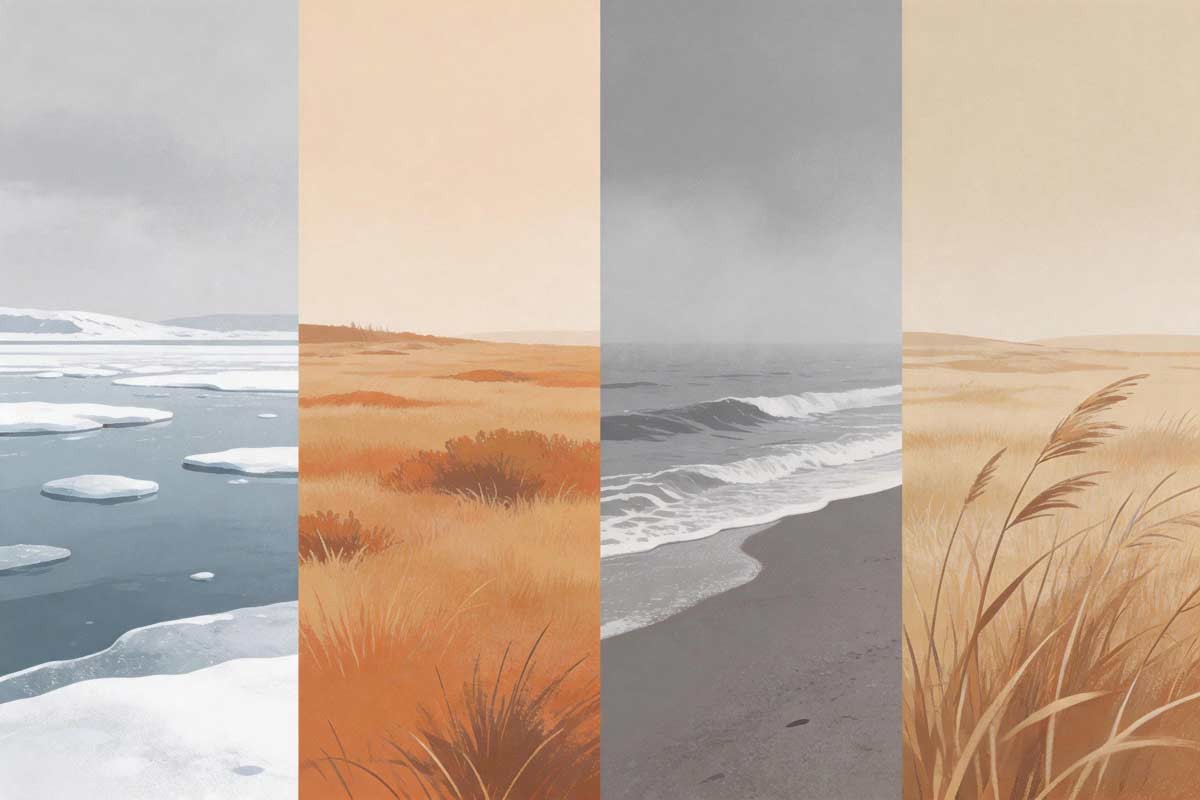
Holidays, productivity culture, and the cruelty of “end-of-year sprint”
Corporate calendars and many workplaces train you to finish strong—Q4, grades, bonuses, festive perfection—while your nervous system reads November as shutdown weather.
Start of Winter (Li Dong) doesn’t cancel deadlines. It can refuse one insult: that rest is failure because the calendar still glows GO.
Teachers, nurses, warehouse workers, and night-shift crews meet November as volume plus dark parking lots. “Cozy” articles that ignore unsafe commutes and unpaid overtime fail.
Chronic illness communities track cold and light loss—pain flares, symptom shifts, SAD risk. Li Dong avoids triumph framing. Pacing, heat, clinical tools aren’t laziness.
Mental health note—without becoming therapy: if holiday dread spikes, professional support matters—use local crisis lines where you live (988 in the U.S.; replace per market after legal review).
Grief sharpens for many in November—empty chairs, first holidays without, anniversary dates hiding inside ordinary Tuesdays. Li Dong language should never score grief—it can permit small protections: leave early, skip one party, buy the easier dinner, call one friend.
Gentle storage: what “do less” looks like on a November weekday
Doing less isn’t aesthetic—it’s operational:
- one fewer evening meeting if you control the calendar
- batch cook one pot of something boring and warm—nutrition without performance
- split social obligations—thanksgiving politics included—into small prep tasks instead of one meltdown Saturday
- put your phone in another room for one hour—cheap boundary against holiday panic ads
Night recovery matters: warm socks, humidifier hygiene if your clinician recommends, draft fixes—structural beats pumpkin spice.
If you live alone, November Sundays can feel hollow beside family holiday marketing. Li Dong can permit truth: joy is gated by money and time. Pair metaphor with one human check-in—text, call, community kitchen if you have one.
How Frost’s Descent leads into Minor Snow (three stops on the same arc)
If you read the late-autumn-to-winter arc as one story:
- Frost’s Descent (Shuang Jiang): frost—hard edges.
- Start of Winter (Li Dong): winter opens—store energy story.
- Minor Snow (Xiao Xue): snow language intensifies—tiny winter step in classical pacing.
Readers who like to continue in sequence can also explore nearby terms in this late-autumn to winter arc.
Sensory menu for Northern Hemisphere early November (Look, Smell, Taste, Do)
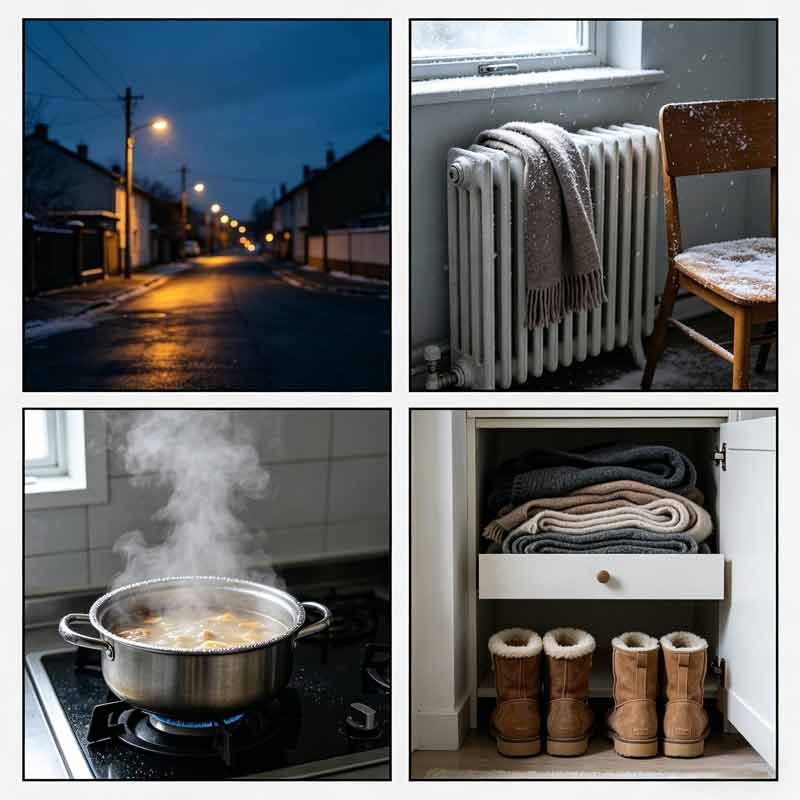
Look Watch sunset time on your weather app—schedule grief with facts.
Smell Rain wool, gas heat, cheap candle—honesty beats holiday aerosol.
Taste Warm plain food—follow clinician guidance for diet conditions.
Do Donate one coat if you can—storage includes community.
Micro-plan: today, weekend, month
Today (5 minutes) Two lines: what drained me / one subtraction.
This weekend (30 minutes) Emergency kit refresh—flashlight, charger, meds—especially in storm country.
This month (one choice) Pick one heating safety task—CO detector, filter, space heater rules—non-negotiable.
FAQ
Q1: When is Start of Winter (Li Dong) in 2026? Many Northern Hemisphere calendars list early November—often November 7 in 2026 depending on tables and time zone. Use the calendar or ephemeris source you trust if you need exact local date/time precision.
Q2: Isn’t astronomical winter in December—and doesn’t that contradict Li Dong? No contradiction—different maps. The December solstice marks astronomical winter in the Northern Hemisphere; Li Dong opens the traditional winter chapter in the solar-term calendar, typically weeks earlier.
Q3: How is Start of Winter (Li Dong) different from Frost’s Descent (Shuang Jiang)? Traditionally Frost’s Descent (Shuang Jiang) emphasizes frost and hard-edge chill stories; Li Dong emphasizes winter opens—storage, conserve, slow—typically later in sequence.
Q4: Does Start of Winter (Li Dong) mean snow everywhere? Not guaranteed—think seasonal chapter, not weather delivery. Translate locally to earlier dark, cold snaps, or rain-heavy weeks, depending on region.
Q5: Do these ideas still work outside one climate pattern? Yes. Keep the seasonal logic, then adapt cues to your local conditions (temperature, humidity, daylight, pollen, rain). The point is directional timing, not copying another region’s weather.
Q6: Veterans Day / Remembrance overlaps—anything to watch in copy? Keep holiday meanings respectful and distinct from solar-term education—avoid turning solemn observances into wellness metaphors or seasonal props.
Q7: Does November election or citizenship stress belong in a seasonal article? Only lightly—citizenship fatigue is real in many democracies; Li Dong names seasonal pacing, not political outcomes.
Q8: Can November feel heavier for mood—and when should someone seek help? Shorter light and holiday pressure affect many people—seek professional support if mood feels unsafe. If you are in crisis, use local emergency numbers where you live (988 in the U.S.; replace per market after legal review).
Closing
If you remember one sentence from Start of Winter (Li Dong), remember winter begins as a story long before it becomes a blizzard—and you can live that story kindly.
One more small practice for the week: when “finish the year strong” posts arrive, rename the task to “finish the week humanely, with food and rest.” Li Dong rewards small storage: sleep, warmth, honest limits.
Read next: Minor Snow (Xiao Xue))→ Frost’s Descent (Shuang Jiang)) → the 24 solar terms guide .