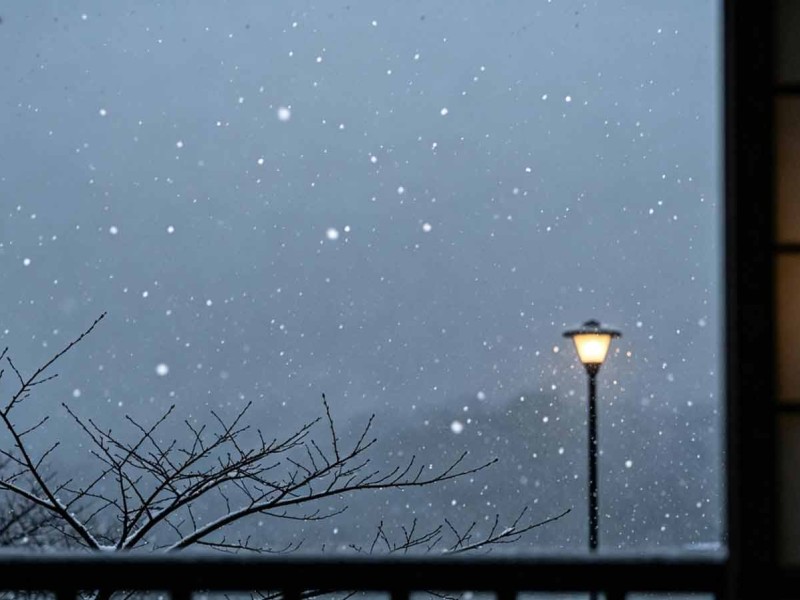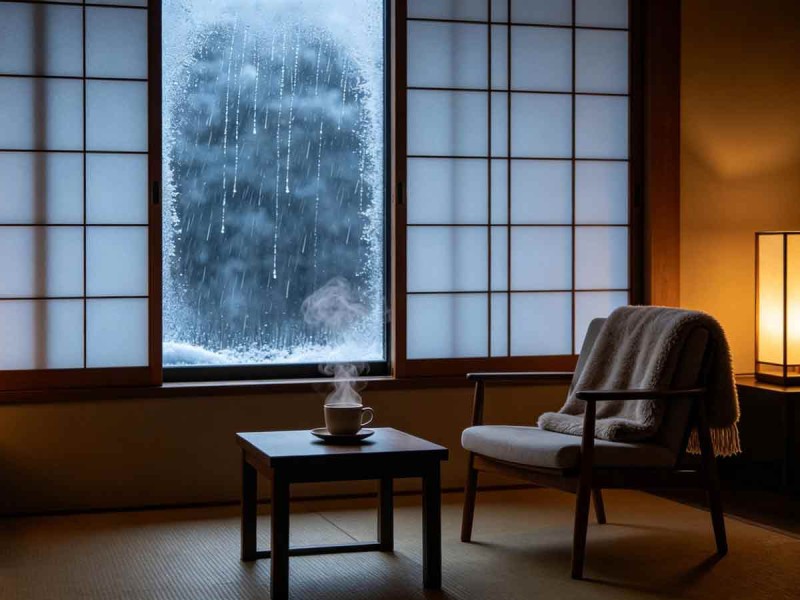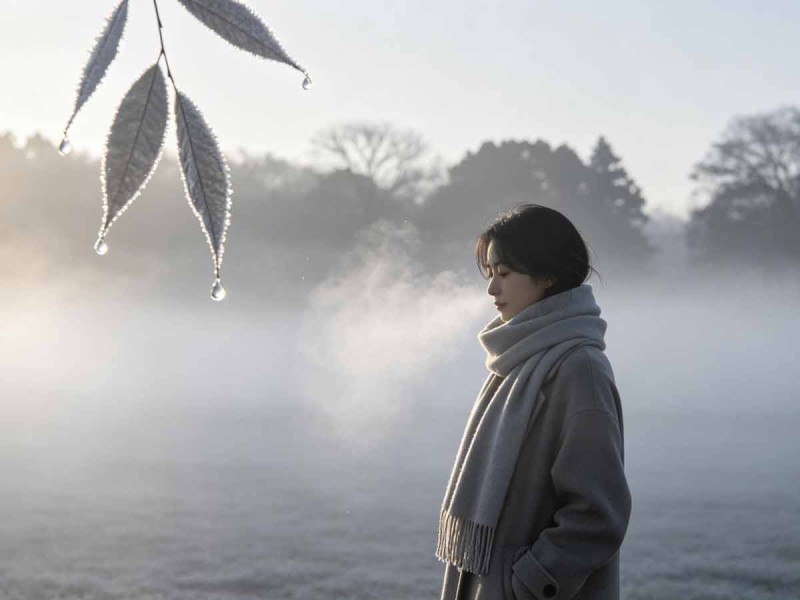
Frost’s Descent (Shuang Jiang): First-Frost Energy—Boundaries, Warmth, and Slow Evenings
Late October across the Northern Hemisphere often stacks harder chill, shorter light, and calendar noise before winter knocks. In the United States, it can read as dry leaves that skitter like paper animals, porch lights earlier, leaf blowers, campaign ads, school emails, playoffs, Halloween pressure, or the invisible rule that you should feel grateful for pumpkins even if your body is tired. In the UK and much of northwestern Europe, late October may land as Atlantic damp, Bonfire Night–adjacent evenings, shorter classroom days, and heating-season bills under grey skies. Elsewhere, wildfire smoke, humid coasts, or an ordinary inbox can dominate—Shuang Jiang still names direction toward frost and firmer boundaries, even when your forecast refuses one mood.
Frost’s Descent, known as Shuang Jiang (霜降) in Mandarin, belongs to the 24 solar terms. The translation is blunt: frost descends—a traditional way to say cold is no longer polite. In classical pacing, this is often the last major autumn station before Start of Winter (Li Dong)—not “winter” on every national calendar yet, but winter-ish in human behavior: layers, caution, slower evenings, firmer boundaries with your own time and energy.
You can treat Shuang Jiang as seasonal literacy—not superstition. The modern takeaway: hard edges are here—dress for them, budget for them, sleep for them.
What Frost's Descent (Shuang Jiang) means (without guaranteeing your garden will glitter)
The two characters Frost's Descent (Shuang Jiang) are often glossed as frost descends or frost falls—a meteorological mood more than a single night’s weather report. In public copy, keep the translation consistent and humility high: solar terms are pattern language, not fortune-telling.
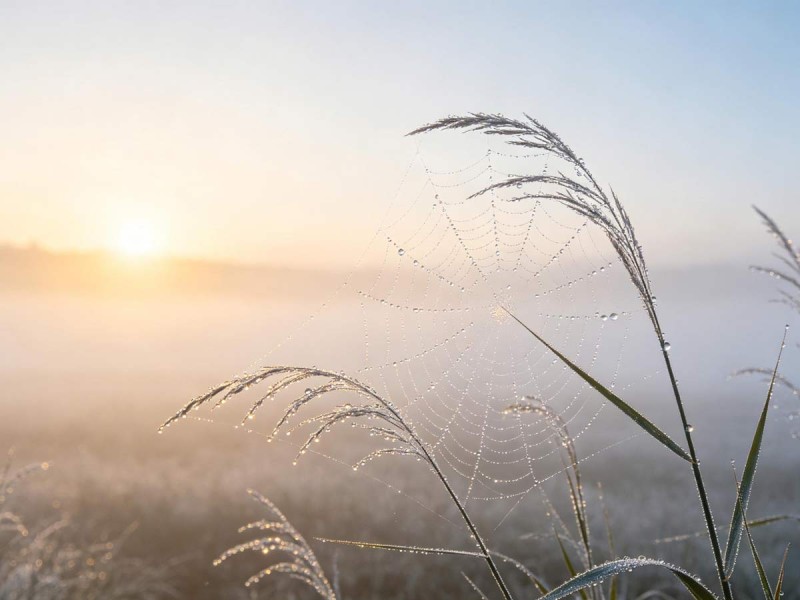
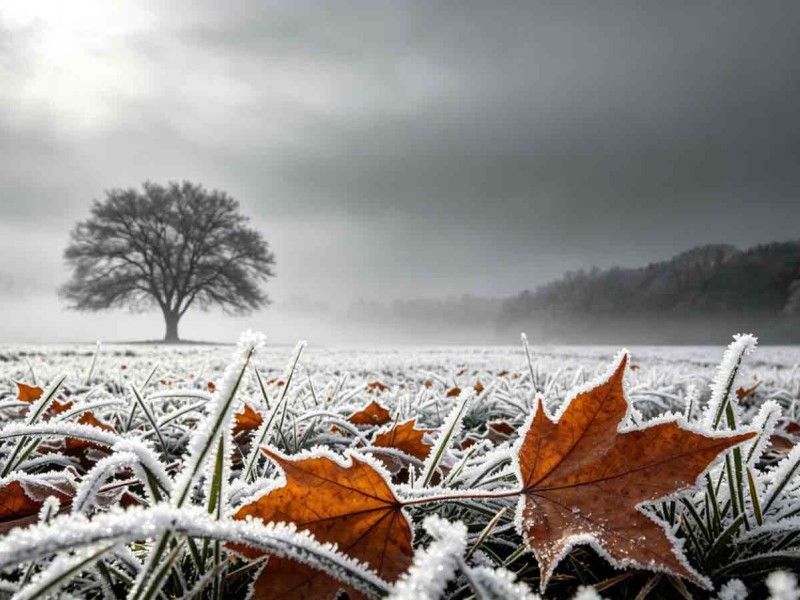
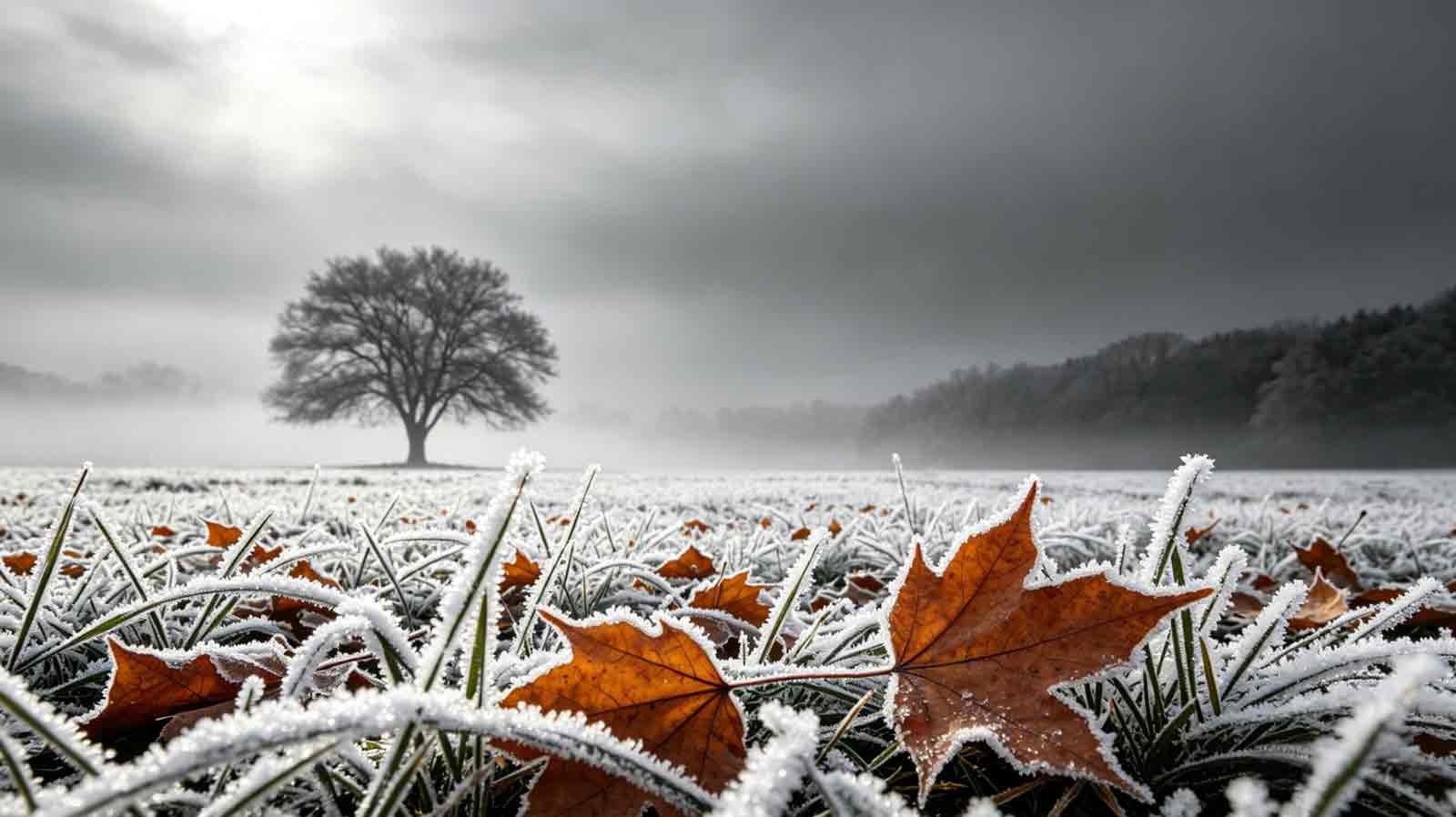
Traditional texts often describe Frost's Descent (Shuang Jiang) as the time when frost appears—plants stiffen, morning roofs sparkle, the year stops pretending summer is nearby. Useful translation:
- Surface physics: frost happens when surfaces cool below dew point toward freezing—calm nights, clear skies, and valley bottoms love to show off.
- Human physics: shorter days steal evening recovery; heating systems wake from summer stupor; hands complain on cold steering wheels.
If you dislike farm vocabulary, keep it urban: late October wants receipts—from your immune system, bank account, and patience.
First-frost energy—from the title—is not about winning nature. It’s about boundaries: say no to one optional obligation, yes to warm socks, maybe to helping someone who cannot buy heat.
Calendar honesty: Halloween isn’t universal, but stress is contagious
Late October stacks cultural events on top of atmospheric chill:
- Halloween (October 31 in much of the U.S.)—costumes, kids, candy, neurodivergent sensory overload for some households.
- Election cycles in even years—yard signs, anxiety, fatigue—different from frost, equally real.
- Daylight Saving Time end (first Sunday in November in most U.S. states)—not the same as Shuang Jiang, but often in the same emotional season as “where did the evening go?”
In the UK and Ireland, Bonfire Night / Guy Fawkes week often layers fireworks noise, smoky air, and crowd evenings onto shorter daylight—different props than U.S. Halloween, but the same kind of late-October overstimulation for some households.
Frost's Descent (Shuang Jiang) doesn’t unify those experiences. It offers one container: the cold is becoming serious—and serious cold deserves serious care.
For 2026, many published tables place Shuang Jiang around October 23. Calendar apps can obsess over ephemeris precision; psychological precision matters for humans—translate Shuang Jiang as late October frost chapter, then adapt behavior to your forecast, housing, health, and political nervous system.
Readers sometimes ask whether Shuang Jiang belongs to “spooky season” marketing. Answer cleanly: Halloween culture is optional; cold nights are physics. You can respect kids’ joy and costume creativity without forcing every adult to perform October enthusiasm. Shuang Jiang can name threshold energy—quiet, firm, boundary-forward—even when your street is inflatable-ghost loud.
Sleep deserves explicit mention: dark afternoons tempt caffeine; bright screens steal melatonin; kids’ sugar weekends steal parent sanity. Frost’s Descent weeks reward boring scaffolding: consistent wake time, dim evening light, outdoor minutes when air quality allows—not as virtue, as biology.
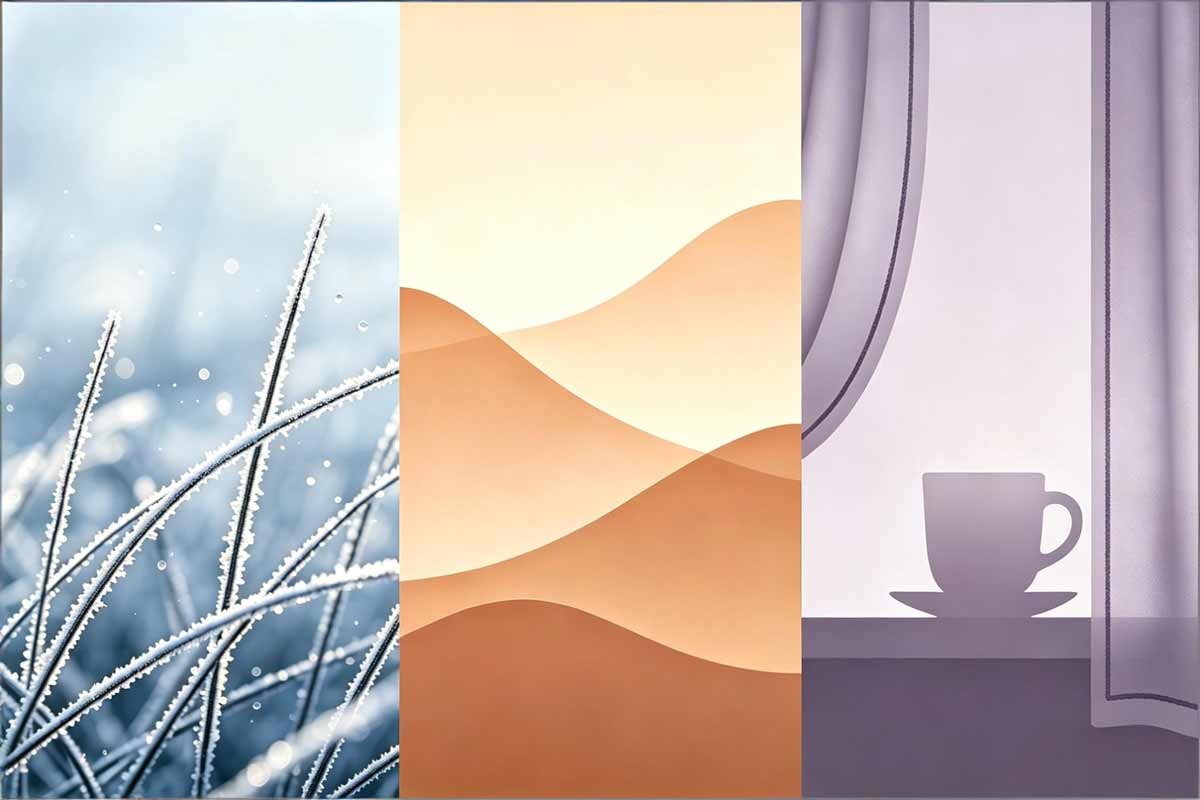
Cold Dew (Han Lu) vs Shuang Jiang: cold dew vs frost grammar
Readers ask how Cold Dew differs from Frost’s Descent. Clean answers:
- Cold Dew (Han Lu) often emphasizes cold dew—deepening chill, moisture, edges.
- Frost's Descent (Shuang Jiang) often emphasizes frost—harder stop, crystals, plant damage risk in agricultural stories.
Meteorologically, your yard may freeze earlier or later than tables. Solar terms narrate seasonal tendency—your local forecast narrates risk.
If someone asks whether climate change makes Frost’s Descent (Shuang Jiang) “meaningless,” answer with both humility and usefulness: first frost dates shift—that’s exactly why modern seasonal writing pairs tradition with local observation. Frost’s Descent (Shuang Jiang) can still name psychological texture—the year asks for seriousness—even when your city still hits 80°F once in a while.
Regional notes: frost is a lottery ticket with geographic bias
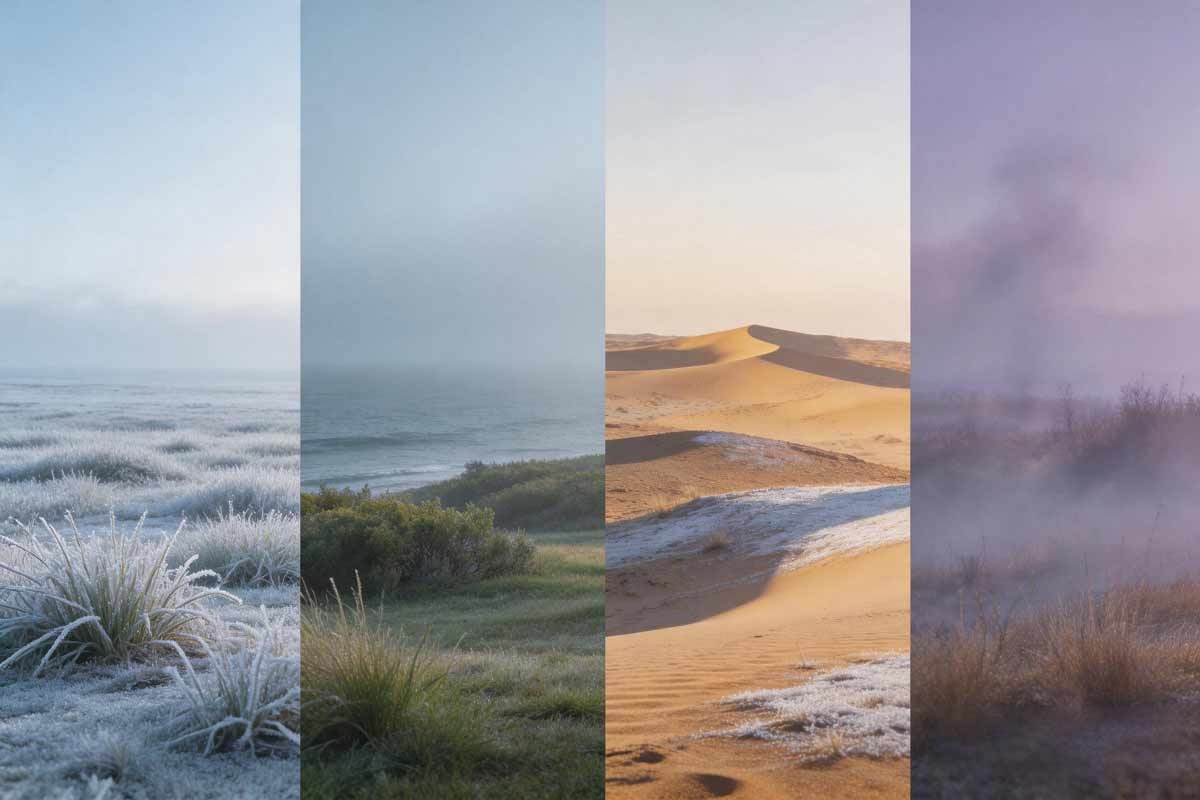
If you live in northern high-latitude regions (for example parts of the northern U.S. or Canada) or at high elevations, first frost can feel personal—tomatoes surrender, basil weeps, scraping ice becomes morning religion.
If you live in humid subtropical climates, frost may be rare—translate Shuang Jiang into cooler mornings, dry-season shifts, hurricane-season quieting depending on latitude.
If you live in desert valleys, radiational cooling can deliver dramatic frost despite hot afternoons—layering becomes math.
If wildfire smoke persists, cold mornings may feel irrelevant behind AQI—indoor warmth and filtration are seasonal ethics, not side quests.
Urban heat islands delay first frost—concrete banks warmth; community justice asks who gets warm shelter when nights bite.
Farmworkers and outdoor crews meet late October as real occupational cold—Shuang Jiang wellness posts fail when they only photograph mugs.
Sports sidelines add another cold theater—Friday lights, soccer turf, band practice in wind. Shuang Jiang doesn’t fix parent logistics; it validates thermal realism: dry socks, blankets in the car, hot drinks that are allowed to be cheap.
Community gardens and balcony pots feel the term literally—first hard frost can end a season overnight. You don’t need a green thumb to use Frost’s Descent (Shuang Jiang) language; you need honesty about what dies back and what needs cover.
Warmth as justice—and the cozy-industrial complex
October marketing sells throw blankets as personality. Energy poverty is not a mindset issue—October bills force choices between food and heat for too many households.
Frost's Descent (Shuang Jiang) language should nod to: warming centers, tenant protections, utility shutoff rules, energy-bill assistance programs (in the U.S., LIHEAP is a common reference point), mutual aid, checking elders, checking unhoused neighbors—especially as night lows sharpen.
Teachers, nurses, delivery drivers, and night-shift workers meet October as volume plus cold parking lots. Cosy content that ignores labor insults reality.
Chronic pain communities track cold fronts—RA, Raynaud’s, nerve pain patterns vary. Shuang Jiang avoids triumph framing. Heating pads, pace cuts, clinician-guided plans aren’t weakness.
Mental health note—without replacing therapy: shorter light raises depression risk for some—seek professional support if mood is unsafe; light therapy belongs under clinical guidance for many.
Grief can crystallize in late October—anniversaries, empty chairs at holidays, the year’s final quarter breathing down your neck. Shuang Jiang language should never pathologize sadness; it can still permit small protections: earlier bedtime, gentle social limits, one therapy session if you have access—human-scale care.
Gentle boundaries: what “slow evenings” look like on a late-October weekday
Slow isn’t lazy—it’s protected:
- earlier dinner so digestion doesn’t steal sleep
- phone basket after nine—cheap boundary against doomscroll chill
- one outdoor minute—only if AQI allows—otherwise window cracked with judgment
- say no to one optional October event that exists only to soothe LinkedIn guilt
Night recovery matters: warm socks, humidifier hygiene if your clinician recommends, draft snakes, safe space heaters—follow fire department guidance—structural beats vibes.
If you live alone, October Sundays can feel hollow beside family-holiday marketing. Frost’s Descent (Shuang Jiang) can permit truth: seasonal joy is class-flavored. Pair metaphor with one human check-in.
Rodents seeking warmth become October reality for many renters—seal gaps, clean gutters, store food in hard containers—practical boundaries that aren’t glamorous but protect sleep and budget.
How Frost's Descent (Shuang Jiang) connects Han Lu to Start of Winter
If you read late autumn as one arc:
- Cold Dew (Han Lu): cold dew—deepening chill.
- Frost’s Descent (Shuang Jiang): frost—harder edge story.
- Start of Winter (Li Dong): winter begins in classical pacing—storage, permission to shrink.
Readers who like to continue in sequence can also explore nearby terms across this late-autumn arc.
Sensory menu for Northern Hemisphere late October (Look, Smell, Taste, Do)

Look Watch sparkle on a railing—evidence, not décor.
Smell Leaf rot, pumpkin guts, chimney first-light—honesty beats cinnamon bomb.
Taste Warm food—clinician-aligned if you manage GERD, diabetes, sodium.
Do Lay out gloves—remember hands before they ache.
Micro-plan: today, weekend, month
Today (5 minutes) Two lines: tonight’s low / one warm boundary.
This weekend (30 minutes) Car kit: scraper, blanket, chargers—especially in freeze-prone regions.
This month (one choice) Donate one coat or one hour at a warming program—if you can—community heat counts as seasonal practice.
FAQ
Q1: When is Frost’s Descent (Shuang Jiang) in 2026? Many Northern Hemisphere calendars list late October—often October 23 in 2026 depending on tables and time zone. Use the calendar or ephemeris source you trust if you need exact local date/time precision.
Q2: Will I see frost on Shuang Jiang if I live in a warm climate (for example Florida)? Maybe not—translate the term as deepening autumn chill and boundary season, not literal frost on demand.
Q3: How is Frost’s Descent (Shuang Jiang) different from Cold Dew (Han Lu)? Traditionally Han Lu emphasizes cold dew—deepening chill and moisture; Shuang Jiang emphasizes frost—often a harder stop and first-frost stories in classical pacing—typically later in the autumn arc.
Q4: Is Frost’s Descent (Shuang Jiang) the same as Halloween? No—Halloween follows the Gregorian calendar (often October 31 in much of the U.S.); Shuang Jiang is a solar term. They can share the same calendar season—different meanings.
Q5: Do these ideas still work outside one climate pattern? Yes. Keep the seasonal logic, then adapt cues to your local conditions (temperature, humidity, daylight, pollen, rain). The point is directional timing, not copying another region’s weather.
Q6: Does Frost’s Descent (Shuang Jiang) line up with “late autumn” or astronomical seasons on my calendar? Solar terms slice the year differently than Gregorian labels—compare honestly with your tables. Local first frost still belongs to your yard, not to a Mandarin chapter title.
Q7: Who is most at risk from cold exposure—and what about pipes, heating, and carbon monoxide? Infants, elders, unhoused people, outdoor workers, and some chronic conditions can be especially vulnerable—follow trusted public health guidance where you live. In freeze-prone regions, outdoor plumbing and hose bibs matter—follow local and insurer guidance; this article is not a plumbing manual. For heating systems, carbon monoxide, and space heaters, follow local safety guidance and qualified technicians when needed.
Q8: Halloween stress or shorter light got heavier—is mood stuff “normal,” and when should I seek help? Stress can be common—seek professional support if anxiety is disabling or mood feels unsafe. If you are in crisis, use local emergency numbers where you live (988 in the U.S.; replace per market after legal review).
Closing
If you remember one sentence from Frost’s Descent (Shuang Jiang), remember cold asks for boundaries—and boundaries can be love.
One more small practice for the week: when cozy ads arrive, ask who can’t buy the warmth in the photo—then choose one action that shares heat—money, time, neighbor check.
Read next: Start of Winter (Li Dong)) → Cold Dew (Han Lu) → the 24 solar terms guide .